
Beautiful Plants For Your Interior
Beautiful Plants For Your Interior
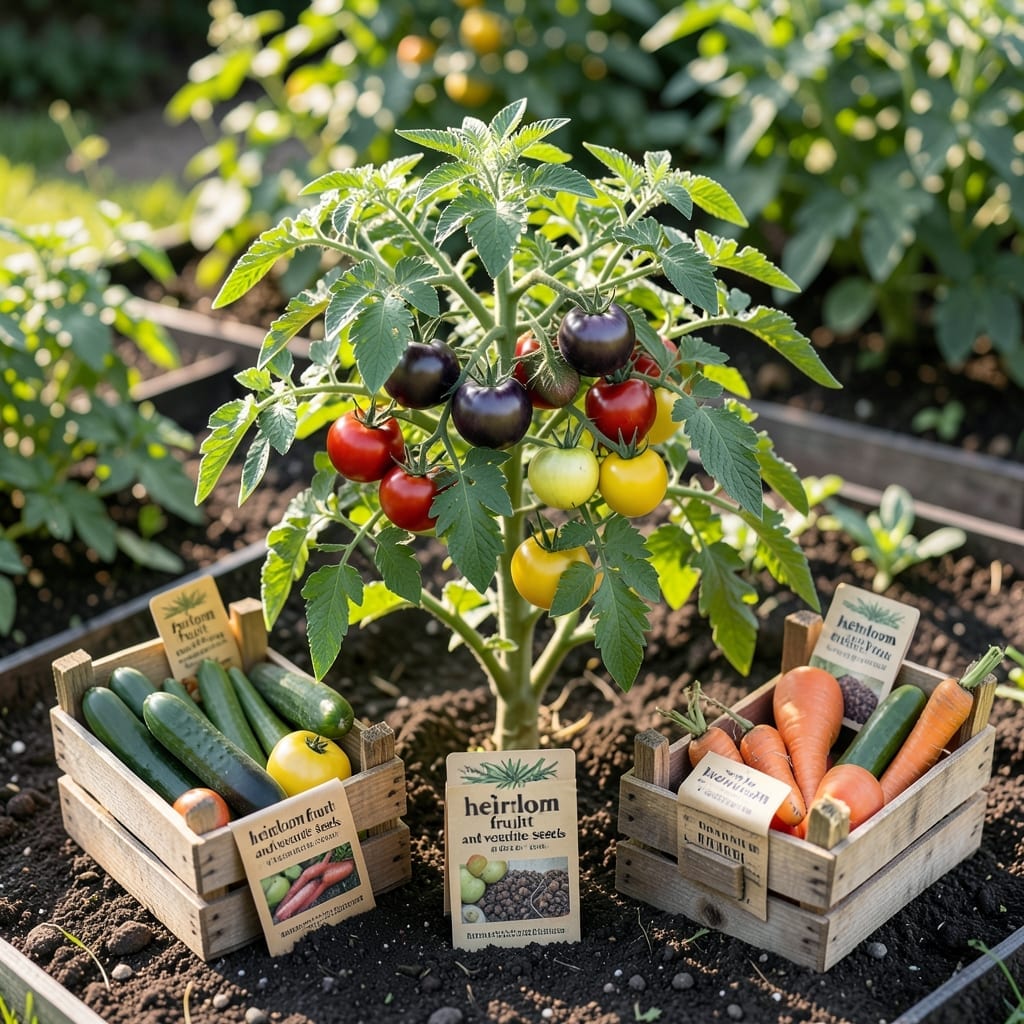
There’s something magical about planting seeds passed down through generations. I discovered heirlooms after tiring of bland store-bought tomatoes and uniform supermarket carrots that lacked real flavor.
These seeds produce plants true to type year after year, unlike hybrids that lose their traits. You’ll taste the difference in every juicy bite—varieties like Brandywine tomatoes or Moon and Stars watermelons offer flavors you won’t find in modern varieties.
Saving seeds from your best plants means next season’s garden starts with proven winners. Plus, you’re preserving biodiversity with every packet, keeping living history alive in your backyard.
The process is simpler than you think, and the rewards last far beyond a single harvest.
Heirloom seeds are cherished for their genetic purity and historical significance, but their declining use stems from several key factors. Below are the primary causes behind the shift away from traditional heirloom fruit and vegetable seeds in modern agriculture.
Modern farming prioritizes consistency in size, shape, and ripening time to streamline harvesting and distribution. Heirloom varieties, with their natural diversity, often fail to meet these standardized requirements. Hybrid and GMO seeds, engineered for uniformity, dominate commercial markets, pushing heirlooms to the sidelines.
Heirloom produce tends to have thinner skins and higher moisture content, making it more perishable than commercially bred hybrids. Supermarkets favor long-lasting, shipment-friendly crops, leaving heirlooms—despite their superior flavor—less viable for large-scale retail.
Many heirloom varieties lack resistance to modern pests and diseases, as they haven’t been selectively bred for these traits. Farmers relying on high yields and low risk often opt for disease-resistant hybrids, which offer more reliable protection against crop failure.
As industrial agriculture expanded, the tradition of saving seeds from season to season faded. Many gardeners and farmers now lack the skills to properly collect, store, and replant heirloom seeds, leading to a gradual loss of these genetic treasures.
Growing heirloom seeds can come with challenges, but most are easy to tackle with the right approach. Below are practical fixes for common problems, paired with prevention tips to keep your garden thriving.
Fix: Soak seeds in lukewarm water for 12–24 hours to soften the seed coat, then plant in moist, well-draining soil. Use a heat mat to maintain consistent warmth (70–85°F).
Prevent: Always check seed age—older seeds lose viability. Store seeds in a cool, dry place and test germination rates before planting.
Fix: Transplant crowded seedlings into individual pots or thin them to 6–12 inches apart. Ensure they receive 6–8 hours of sunlight daily or supplement with grow lights.
Prevent: Avoid overwatering and use a balanced organic fertilizer to provide essential nutrients without overwhelming young plants.
Fix: Handpick pests like aphids or caterpillars early in the morning. Apply neem oil or insecticidal soap as a natural remedy, targeting the undersides of leaves.
Prevent: Encourage beneficial insects (e.g., ladybugs, lacewings) by planting companion flowers like marigolds or basil. Rotate crops yearly to disrupt pest life cycles.
Fix: For overwatered plants, let the soil dry slightly before watering again. For underwatered ones, deeply soak the soil and mulch to retain moisture.
Prevent: Use the finger test—insert your finger 1–2 inches into the soil. Water only if it feels dry. Consider drip irrigation for consistent moisture.
💡 Pro Tip: Keep a garden journal to track watering schedules, pest appearances, and growth patterns. This helps you spot and address issues before they escalate!
Most heirloom seeds remain viable for 3-5 years when stored properly in a cool, dry place. For best results, keep them in an airtight container away from light and moisture.
Only if it’s labeled as heirloom or open-pollinated. Hybrid produce won’t grow true to type. Always choose fully ripe, healthy fruits for seed saving to ensure quality.
Heirlooms offer superior flavor, unique varieties, and the ability to save seeds year after year. They also support biodiversity and preserve historical plant varieties.
Use paper envelopes or glass jars with silica packets to absorb moisture. Store in a dark, cool location like a basement or refrigerator for maximum longevity.