
Beautiful Plants For Your Interior
Beautiful Plants For Your Interior
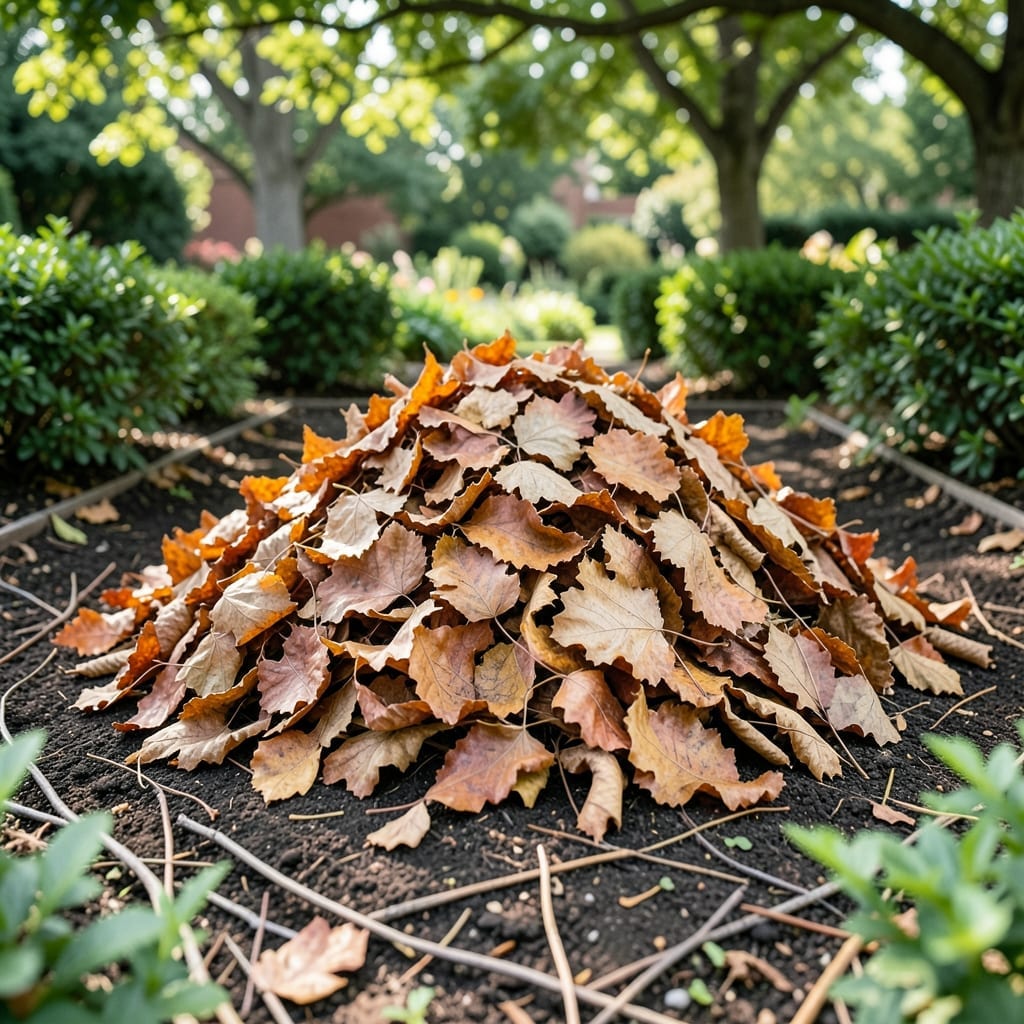
A pile of dried foliage can harbor mold, spores, and decomposition gases that may trigger allergies or respiratory issues, especially when disturbed.
I’ve seen how these accumulations create perfect breeding grounds for fungi, trapping moisture and warmth. Disturbing them releases microscopic particles into the air, which can be particularly problematic for those with asthma or sensitive immune systems. Regular clearing prevents buildup and reduces risks. ✨
What’s less obvious is how quickly these piles decompose, often within weeks in damp conditions. This rapid breakdown accelerates spore production, making timely removal even more critical. 💫
💡 In This Article
The process begins with trapped moisture. Dry leaves absorb dew and rain, creating a damp environment where fungal spores germinate. These microscopic organisms feed on the organic matter, breaking it down through enzymatic action. Temperatures between 50-77°F and high humidity accelerate this growth. 🔥
As fungi proliferate, they release volatile organic compounds (VOCs) like aldehydes and ketones. These gases contribute to the earthy smell of decaying leaves but can also irritate airways. The pile’s structure traps these compounds, increasing concentration. Studies show leaf mold can produce up to 10,000 spores per cubic foot of air when disturbed.
Moisture retention is key to this ecosystem. A 1-foot-deep leaf pile can maintain 80-90% humidity even in dry conditions. This creates ideal conditions for species like Aspergillus and Penicillium, which thrive in decaying plant material. The compacted layers prevent airflow, further encouraging fungal colonization.
Seasonal changes affect this process. In autumn, falling leaves create sudden organic buildup. Winter’s cold slows decomposition, but spring’s warmth revives dormant spores. Disturbing these piles releases a cloud of spores and VOCs that can remain airborne for hours. ✨
The color changes visible in leaf piles indicate different fungal species. White or gray fuzz suggests early-stage mold, while black or green spots often indicate more mature colonies. These visual cues help identify when a pile has become a significant spore producer.
Mold can begin growing within 24-48 hours in damp conditions. A 1-foot-deep pile with trapped moisture creates the perfect environment for spores to germinate rapidly. Warm temperatures between 50-77°F speed up this process significantly.
Wear an N95 mask, gloves, and long sleeves to shield against spores. Safety goggles are wise for large piles. These precautions prevent inhaling or contacting airborne fungi and dust.
No, avoid composting visibly moldy leaves. The spores can spread through your compost pile. Instead, bag and dispose of them with yard waste or bury them deeply in soil away from living areas.
Choose calm, dry mornings when winds are below 10 mph. This minimizes spore dispersal. Early daylight also allows the area to dry, reducing moisture that encourages further mold growth.