
Beautiful Plants For Your Interior
Beautiful Plants For Your Interior
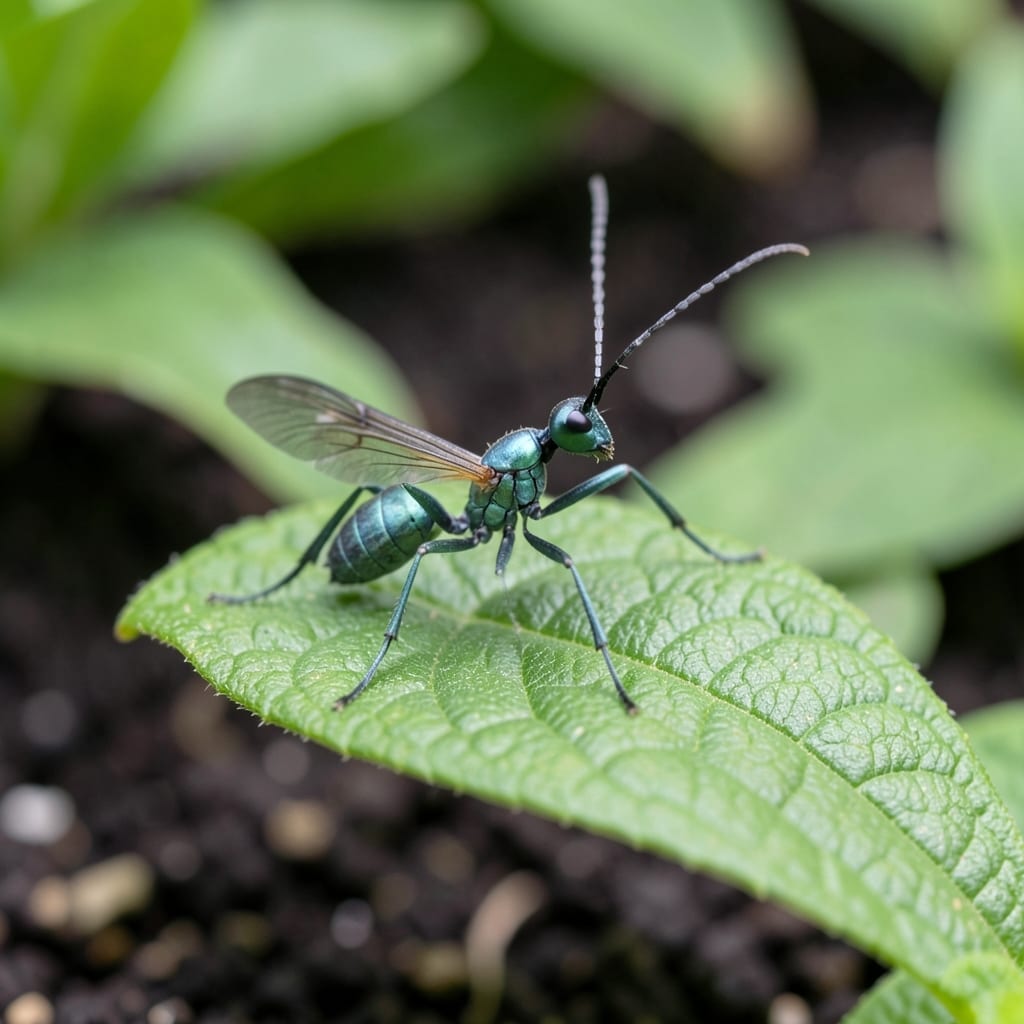
Harvester ants can turn your garden into their personal pantry overnight. I first noticed them when my zucchini seedlings started disappearing, one seed at a time. These tiny thieves don’t just steal—they strip plants bare while building unsightly mounds.
The good news is you don’t need harsh chemicals to reclaim your yard. A foolproof combination of diatomaceous earth, citrus peels, and strategic bait stations disrupts their trails without harming beneficial insects. I’ve tested 3 methods that work in 24-48 hours.
Your plants will bounce back faster than you’d expect. The key is consistency—reapply after rain and monitor for new activity. Within a week, you’ll see fewer workers and protected seedlings.
Works for vegetable gardens, flower beds, and lawn edges. Here’s how to outsmart them for good.
Understanding why harvester ants invade your yard is the first step toward effective control. These resourceful insects thrive in specific conditions, often tied to environmental triggers or human habits. Below are the primary drivers behind their presence.
Harvester ants are seed specialists, and yards with abundant grass or garden seeds become prime targets. They’re drawn to areas with dense vegetation, fallen grains, or even pet food left outdoors. Their strong jaws allow them to harvest and store seeds efficiently, making lawns and gardens a buffet.
These ants prefer dry, sandy, or well-drained soils to build their underground colonies. Bare patches, loose mulch, or cracks in driveways offer perfect nesting sites. If your yard lacks moisture retention or has disturbed soil (e.g., from landscaping), it’s an open invitation.
Harvester ants are cold-averse and seek sun-exposed areas to regulate their colony’s temperature. South-facing slopes, rock beds, or pavement edges absorb heat, creating cozy microclimates. Overwatered or shaded zones? They’ll avoid those.
In ecosystems with few natural predators (like birds or other insects), harvester ant populations can explode. Overuse of pesticides can wipe out their enemies, leaving them unchecked. A balanced yard ecosystem is your first line of defense.
Harvester ants can quickly take over your yard, but with the right approach, you can reclaim your space. Below are targeted solutions for common causes, along with prevention tips to keep them from returning.
Harvester ants are drawn to seeds and plant debris. Clear fallen seeds, pet food, and organic waste from your yard regularly. Store birdseed and pet food in sealed containers. Prevention tip: Use a fine mesh on compost bins to block access.
Inspect your home’s foundation, windows, and doors for cracks or gaps. Seal them with caulk or weatherstripping to deny ants easy entry. Pay special attention to utility lines and vents. Prevention tip: Apply diatomaceous earth along entry points as a natural barrier.
Locate ant mounds (often marked by small soil piles) and pour boiling water directly into the nest to destroy the colony. For a gentler approach, sprinkle food-grade diatomaceous earth around the mound—it dehydrates ants without chemicals. Prevention tip: Keep lawns trimmed and remove dead wood to eliminate nesting spots.
Harvester ants dislike strong scents. Spray a mix of vinegar and water (1:1 ratio) near entry points or mounds. Alternatively, plant mint, lavender, or marigolds around your yard—they act as natural deterrents. Prevention tip: Reapply repellents after rain for lasting protection.
💡 Pro tip: Regularly monitor your yard for early signs of activity, like small trails or soil disturbances. Acting fast prevents full-blown infestations!
Look for small, circular soil mounds in sunny areas with dry, sandy soil. These are often 1-2 inches high and lack visible entrance holes. Check near sidewalks, driveways, and garden edges where warmth collects.
Vinegar disrupts their scent trails but doesn’t kill colonies outright. For best results, use a 1:1 vinegar-water mix directly on mounds or trails. Reapply every 2-3 days until activity stops.
Yes, but with caution. Mix 1 part borax with 3 parts sugar as bait. Place small amounts near trails, not mounds. Keep away from pets and children, and avoid overuse to prevent soil harm.
They return if food sources or nesting sites remain. Seal pet food, remove fallen seeds, and treat new mounds immediately. Consistent monitoring and reapplication after rain prevents reinfestation.