
Beautiful Plants For Your Interior
Beautiful Plants For Your Interior
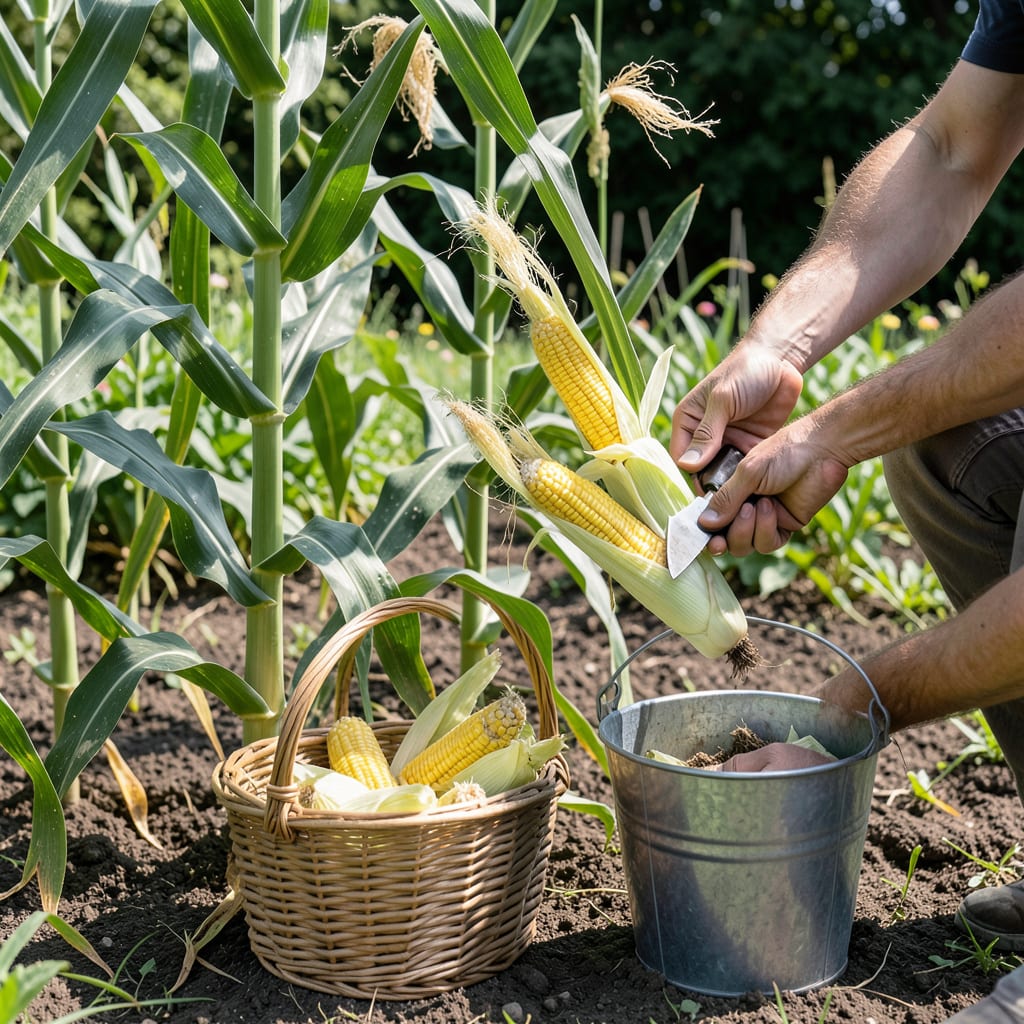
Knowing the exact moment to pick can turn your 🌽 harvest from disappointing to delicious. With Corn, timing separates starchy kernels from sweet, juicy perfection.
I’ll show you the field-tested signs that guarantee peak flavor. From silk color to the milk test, these are the clues every gardener needs to spot.


The harvest season for corn typically spans from July to September, but exact timing depends on your variety and climate. I’ve found that sweet corn often matures in 60-100 days after planting.
For the best results, start counting from the date you planted. Early varieties may be ready in 60-70 days, while late-season types can take up to 100 days. Regional differences matter too—cooler climates may need adjustments.
| Variety | Days to Maturity | Harvest Window |
|---|---|---|
| Early Sweet Corn | 60-70 days | Late June – Early July |
| Mid-Season Corn | 70-85 days | July – August |
| Late-Season Corn | 85-100 days | August – September |
I always recommend checking the seed packet for the days-to-maturity estimate. This is your best guide for planning. In warmer zones, you might even get a second planting for a fall harvest.
Field corn and popcorn have longer growing seasons. These types often need 100-120 days to reach full maturity. If you’re growing these, be sure to plant early enough to avoid frost.
In my garden, I track the soil temperature and last frost date to time plantings. Corn thrives in warm soil—at least 60°F—so don’t rush it in spring. Patience pays off with sweeter kernels.
Regional climate plays a huge role. In the South, you might harvest as early as June, while northern gardeners often wait until late August. Adjust your expectations based on your USDA zone.
If you’re in a short-season area, opt for early-maturing varieties. I’ve had great success with ‘Early Sunglow’ and ‘Quickie’, both ready in under 70 days. These are perfect for cooler climates.
For the best flavor, harvest in the morning when sugars are highest. I also suggest picking just before you plan to eat or preserve it—corn’s sweetness declines quickly after picking.
Finally, keep an eye on the weather forecast. A heatwave can speed up maturity, while cool spells may delay it. Stay flexible and check your plants daily as the harvest window approaches.
🌽I never rely on calendar dates alone for harvesting corn. The ear itself tells you everything. Look for brown, dry silks—this is your first visual clue that the ear is maturing properly.
Another sure sign is the ear’s weight. When it feels plump and heavy in your hand, it’s likely ready. I check this by gently squeezing the ear through the husk to feel for full, rounded kernels.
The kernel milk test is my go-to method. Use your fingernail to puncture a kernel—if it releases a white, milky fluid, your corn is at peak sweetness. Clear liquid means it’s not ready yet.
Avoid harvesting when the silks are still green or the kernels are watery. These are clear signs the ear needs more time. I’ve learned that picking too early results in starchy, underdeveloped kernels.
Also, watch for husk dryness. While the husk should stay green and fresh, the very tip might start to yellow slightly. This is normal and doesn’t affect the ear’s quality inside.
I check my corn daily as harvest time approaches. Ears can go from not ready to overripe in just a day or two, especially in hot weather. Timing is everything for that perfect sweetness.
🌽Once you’ve picked your corn, the clock starts ticking to preserve that peak sweetness. I’ve learned that cooling it quickly is the key to maintaining flavor. The sugars in corn begin converting to starch the moment it’s harvested.
My go-to method is to immerse the ears in ice water immediately after picking. This stops the conversion process and locks in that fresh-from-the-garden taste. I keep a cooler ready in the garden for this exact purpose.
🌱 Pro Tip: For the sweetest corn, harvest in the morning and chill within 30 minutes. Store unshucked in the fridge for up to 3 days.
If you’re not cooking or preserving it right away, leave the husks on. They act as a natural protective layer, keeping the kernels moist and fresh. I’ve found that unhusked corn stays sweeter much longer than bare ears.
For longer storage, blanching and freezing works wonderfully. I blanch ears for 4-6 minutes, then cool in ice water before freezing. This preserves the flavor and texture for months. Just be sure to use airtight containers to prevent freezer burn.
Never leave corn at room temperature for long. Even a few hours can significantly reduce its sweetness. I make it a habit to process my harvest the same day I pick it for the best results.
🌽Check for brown, dry silks and plump ears. The best test is to pierce a kernel—if it releases milky liquid, it’s perfect. Clear liquid means it needs more time.
Most sweet corn varieties take 60-100 days to mature. Early types may be ready in 60-70 days, while late-season corn can take up to 100 days. Always check your seed packet for specifics.
In warmer southern zones, harvest may start in June, while northern gardeners often wait until late August. Adjust based on your local climate and frost dates.
Cool ears in ice water immediately after harvest and store unshucked in the fridge. For longer storage, blanch for 4-6 minutes before freezing in airtight containers.
