
Beautiful Plants For Your Interior
Beautiful Plants For Your Interior
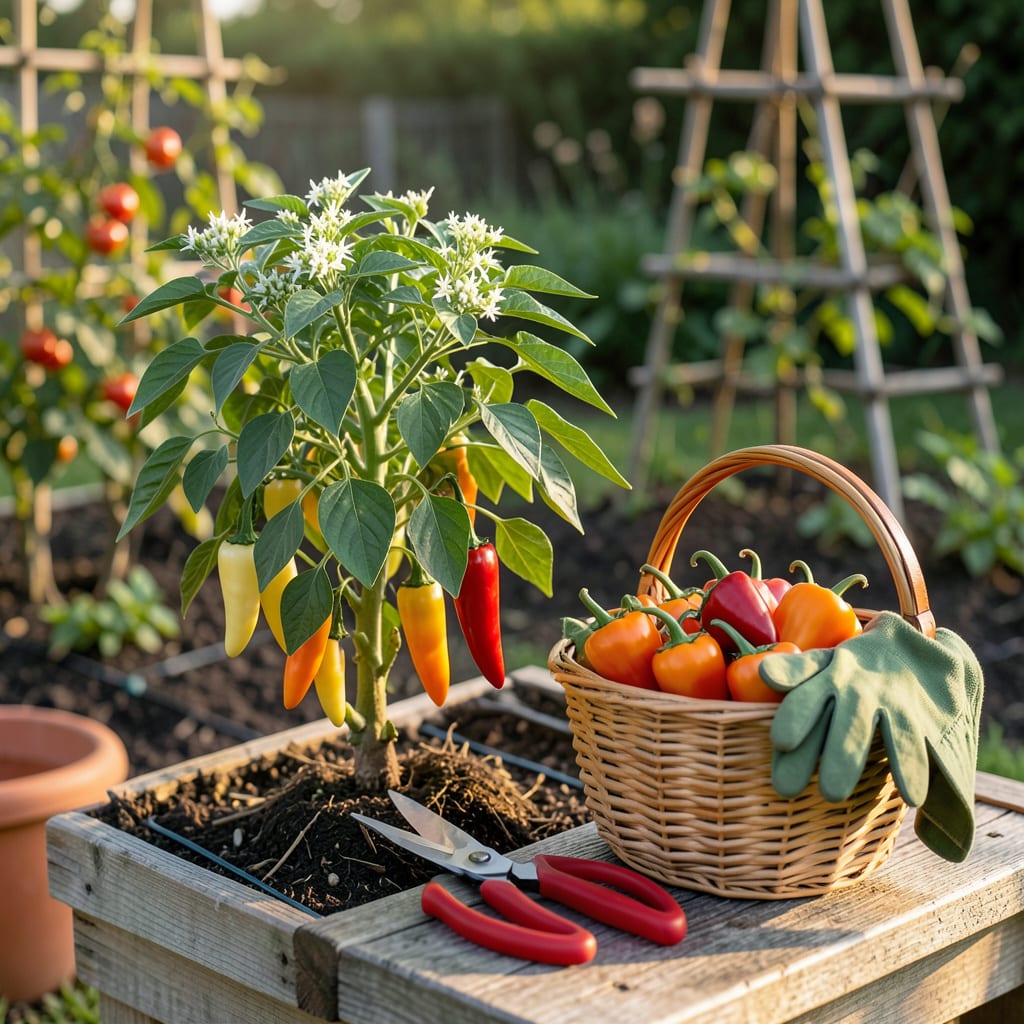
There’s nothing quite like the satisfaction of plucking a perfectly ripe Gypsy pepper from your garden—if you time it right. That vibrant transition from green to golden yellow isn’t just pretty; it’s your pepper shouting, “I’m ready!” But miss that window, and you might end up with something either disappointingly tart or mushy.
I’ve learned the hard way that these peppers don’t wait for anyone. Whether you’re growing them in Zone 6 or further south, the difference between “meh” and “wow” often comes down to 3 simple signs most gardeners overlook. Let me show you exactly what to watch for—so every 🌶️ you pick delivers that sweet, tangy crunch you planted them for.


If you’ve ever stood in your garden staring at a Gypsy pepper wondering, “Is it ready yet?”, you’re not alone. These peppers are sneaky—they don’t just turn red overnight. Instead, they transition through three key stages from green to golden yellow, each with distinct flavor profiles.
The first clue is color change. Gypsy peppers start deep green, then develop yellow-orange streaks before turning fully golden. But color alone isn’t enough—you’ll also want to check for firmness and a slight give when gently squeezed. That’s when the magic happens!
💡 Pro Tip: For best flavor, harvest when peppers are 70-80% yellow—this is their sweet spot!
Size matters too! A mature Gypsy pepper typically reaches 3-4 inches long and about 1.5 inches wide. If your peppers are full-sized but still green, they’re technically edible but won’t have developed their signature sweetness yet. Patience pays off here.
Don’t forget the stem test. When peppers are ready, they’ll detach from the plant with a gentle twist. If you’re wrestling with it, give it another 2-3 days. The stem should also show a slight woodiness at the base when fully mature.
I always check my peppers in the early morning when their colors appear most vibrant. The cooler temps make them crisper too. If you’re growing in Zone 6 like me, you’ll typically see this color progression 70-80 days after transplanting.
Here’s a trick I learned: Give your pepper a gentle sniff near the stem. Ripe Gypsy peppers emit a sweet, slightly floral aroma. No smell? It needs more time. Overpowering grassy scent? You’re still in the early stage.
Remember that temperature affects ripening. Cooler weather slows the process, while heat waves can speed it up. During a summer heatwave, I check my plants daily—peppers can go from “almost ready” to “overripe” in just 48 hours!
For the absolute best flavor, I recommend harvesting when peppers are 80% yellow with just a hint of green at the stem. This is when their sugar content peaks but they still maintain that perfect crunch. Leave them longer, and they’ll get softer (great for roasting but not for fresh eating).
Finally, don’t be afraid to do a taste test! Slice off a tiny piece from the tip—if it’s sweet with just a touch of tang, you’ve nailed it. If it’s still bitter, give it another 3-5 days. Your taste buds won’t lie! 🌱
Timing your Gypsy pepper harvest isn’t just about color—it’s about unlocking the perfect balance of sweetness and crunch. These peppers evolve dramatically through three distinct stages, each offering unique flavors and textures for different culinary uses.
From my experience, the green stage (about 60 days after transplanting) gives you a firmer, slightly grassy pepper that holds up beautifully when stir-fried or pickled. But if you’re after that signature sweetness, you’ll want to wait for the magic to happen.
💡 Pro Tip: For maximum yield, harvest breaking color peppers first—they’ll trigger the plant to produce more!
The breaking color stage (when yellow streaks first appear) is my personal favorite. At this point, the peppers develop their signature sweet-tart balance while maintaining excellent crispness. This stage typically occurs around 65-70 days after transplanting in Zone 6 gardens.
For those who love intense sweetness, waiting until the fully ripe stage (golden yellow) is worth it. These peppers are at their sugar peak but become slightly softer. Perfect for fresh eating or roasting, they’ll give you that burst of fruity flavor that makes Gypsy peppers so special.
Remember that temperature plays a huge role in ripening speed. In cooler summers, your peppers might take the full 80 days to reach golden yellow. But during heat waves, I’ve seen them ripen 10-15 days faster than expected. Always keep an eye on them!
Here’s a trick I use: When about 30% of your peppers reach the breaking color stage, start harvesting daily. This prevents overripening and encourages the plant to put energy into producing new peppers rather than ripening existing ones. Your total yield could increase by 20-30% with this approach! 🌱
Don’t forget that morning harvesting gives you the crispiest peppers. The cooler night temperatures help them retain moisture and firmness. I always bring a small basket and sharp pruners to avoid damaging the plant stems during my early garden rounds.
After years of growing Gypsy peppers, I’ve seen gardeners make the same three critical errors that turn a promising harvest into disappointment. The first—and most common—is picking too early. Those green peppers might look tempting, but they’re missing the sweetness that makes Gypsies special.
Your peppers need that 65-80 day maturation period to develop their full flavor profile. I’ve found that peppers harvested at the green stage often have a grassy, bitter taste that’s far from the sweet-tart balance we love. Wait until you see those first yellow streaks appear—your taste buds will thank you!
💡 Quick Fix: Check peppers daily once they start changing color—Gypsies can go from perfect to overripe in just 48 hours during heat waves!
The second mistake is waiting too long. While patience is good, leaving peppers on the plant until they’re fully yellow often means you’ll get softer, overripe fruit that attracts pests. I learned this the hard way when my beautiful peppers became a buffet for sap-sucking bugs overnight.
Here’s my rule: Harvest when peppers are 70-80% yellow. At this stage, they’ve developed maximum sweetness but still maintain that perfect crispness. Leave them longer, and you risk split skins and mushy texture, especially after heavy rains.
Finally, many gardeners ruin their harvest with improper picking techniques. Never yank or twist peppers off the plant—this damages both the fruit and the stem, inviting disease. Instead, use clean pruners to make a precise cut, leaving about 1/2 inch of stem attached to the pepper.
I always harvest in the early morning when peppers are most crisp. Bring a small container to collect them immediately—peppers left in the sun after picking can wilt quickly. And here’s a bonus tip: After harvesting, give your plants a light fertilizer boost to encourage new pepper production. This simple step can extend your harvest by 2-3 weeks! 🌱
Gypsy peppers typically start showing yellow streaks around 65-70 days after transplanting. The full transition to golden yellow usually completes within 70-80 days total. Cooler temperatures may extend this timeline by 5-10 days.
Yes, but they’ll have a grassier, more bitter flavor. Green Gypsy peppers are best for frying or pickling where their firm texture is an advantage. For sweetness, wait until at least 30% of the pepper shows yellow coloration.
Early morning is ideal when peppers are most crisp and hydrated. The cooler night temperatures help maintain their firmness. Avoid harvesting during midday heat when peppers may be softer and more prone to bruising.
Overripe Gypsy peppers become very soft to the touch and may develop wrinkled skin. You’ll also notice the golden yellow color deepens to orange. At this stage, they’re still edible but better suited for roasting than fresh eating.
Always use clean pruners or scissors to avoid damaging the plant. Cut the stem about 1/2 inch above the pepper. Twisting can break branches and create entry points for disease. This method also helps prevent accidental plant uprooting.
