
Beautiful Plants For Your Interior
Beautiful Plants For Your Interior
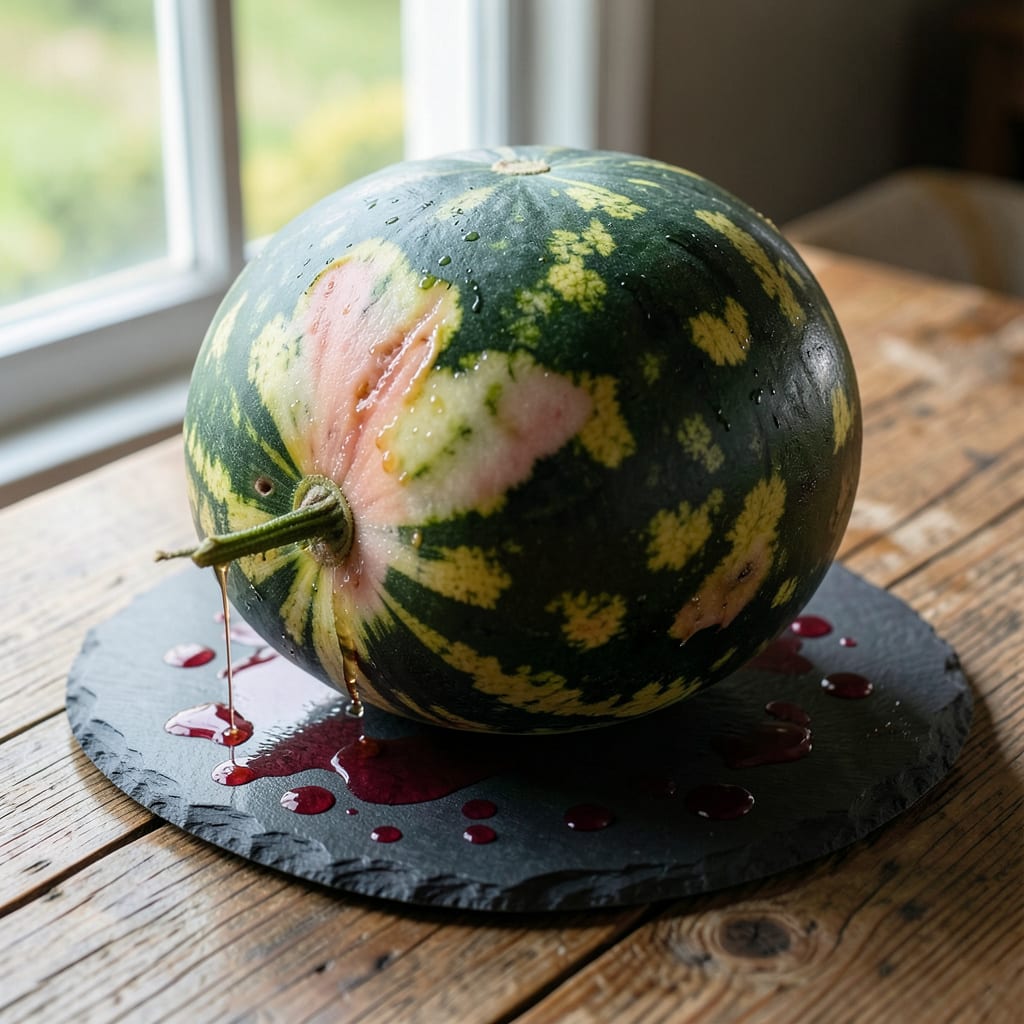
Spotted wilting leaves on your watermelon vines last week? I did too—turns out it was gummy stem blight, a sneaky fungus that starts small but spreads fast.
Brown, gummy lesions appear on stems first, then leaves develop water-soaked spots that turn crispy. The disease thrives in warm, wet conditions, so early morning inspections catch it before it takes over.
I lost a patch to this once. Now I rotate crops, space plants 3 feet apart, and remove infected material immediately. Copper fungicides help, but prevention saves the season.
Works for all cucurbits—cantaloupes, squash, pumpkins. Stay vigilant and your harvest stays safe.
Gummy stem blight in watermelon is caused by the fungal pathogen Stagonosporopsis cucurbitacearum (syn. Didymella bryoniae). This aggressor thrives under specific environmental and cultural conditions. Below are the primary causes, explained with actionable insights.
The fungus requires 12–24 hours of continuous leaf wetness to infect tissue. Overhead irrigation, heavy dew, or rainy weather create ideal conditions. Action: Water at the base of plants early in the day to allow foliage to dry quickly.
Temperatures between 75–85°F (24–29°C) with high humidity (>85%) accelerate spore germination and disease spread. Poor air circulation in dense plantings worsens the issue. Action: Space plants properly and use drip irrigation to reduce humidity.
The pathogen overwinters in contaminated seed, crop residue, or soil. Using infected seed or planting in fields with a history of cucurbit diseases increases risk. Action: Use certified disease-free seed and rotate crops with non-cucurbits for at least 2 years.
Tools, equipment, or workers can spread spores between plants. Failing to remove and destroy infected plant material allows the fungus to persist. Action: Sanitize tools with 10% bleach solution and remove infected plants immediately.
Splashing water disperses spores and spreads the disease. Traditional sprinklers are a major contributor. Action: Switch to drip irrigation to minimize foliar wetness and spore movement.
Tackling gummy stem blight in watermelon crops starts with quick action and smart practices. Below are targeted solutions for common causes, paired with prevention tips to keep your plants healthy long-term.
If you spot dark, water-soaked lesions on stems or leaves, act fast. Prune infected parts immediately using sterilized shears to prevent spread. Dispose of the debris far from the field—burning is ideal. Follow up with a copper-based fungicide or organic options like neem oil. Prevention tip: 💡 Rotate crops and avoid planting watermelons in the same spot yearly to reduce fungal buildup.
Fungi thrive in wet conditions. Space plants properly (3–4 feet apart) to boost airflow and reduce humidity. Use raised beds or mulch with straw to keep foliage dry. Water at the base of plants in the morning so leaves dry by evening. Prevention tip: ✨ Drip irrigation is your best friend—it delivers water directly to roots while keeping leaves dry.
Fungal spores linger on tools, stakes, and plant debris. Disinfect tools with a 10% bleach solution between uses, and remove old plant material after harvest. Avoid composting infected plants. Prevention tip: 🎯 Start with disease-free seeds and resistant watermelon varieties like ‘Crimson Sweet’ or ‘Sugar Baby’.
Healthy plants fend off disease better. Fertilize moderately—too much nitrogen promotes leafy growth (a fungal magnet). Use balanced organic fertilizers and test soil pH (aim for 6.0–6.8). Prevention tip: 🌱 Interplant with basil or marigolds—these repel pests and may deter fungal spores.
Look for small, water-soaked spots on leaves that turn brown and crispy. Stems develop dark, gummy lesions. Check vines in early morning when dew makes symptoms more visible.
Yes, rotate with non-cucurbits for 2-3 years. This breaks the fungus lifecycle. Avoid planting watermelons, squash, or pumpkins in the same area consecutively.
Remove infected parts immediately with sterilized tools. Treat with copper fungicide or neem oil. Severe cases require removing entire plants to protect others.
Use drip irrigation to keep foliage dry. Water at the base in early morning so leaves dry by evening. Avoid overhead watering which spreads spores.
