
Beautiful Plants For Your Interior
Beautiful Plants For Your Interior
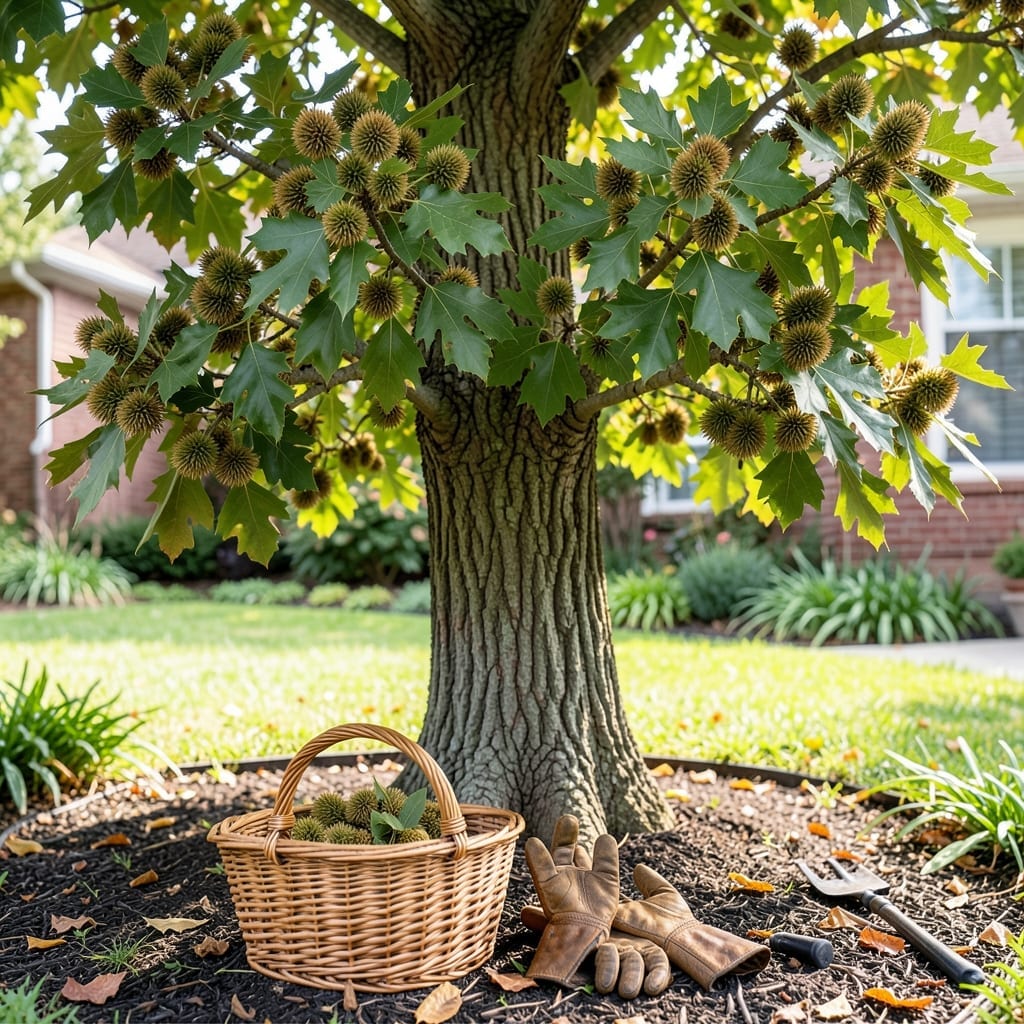
Those spiky little gumballs falling from your sweetgum tree are actually seed pods, not fruit. I used to rake them up every autumn until I realized they held next season’s trees inside.
Sweetgum trees produce these distinctive balls that split open to release seeds. The key is collecting them before they fully dry—then you’ve got everything needed to grow new saplings. Most people toss them without knowing their potential.
With a little patience, you can sprout these seeds into young trees that will one day produce their own gumballs. The process takes 2-3 weeks for germination and rewards you with unique seedlings.
Perfect for gardeners who love propagating plants from what nature provides. Here’s how to turn those prickly nuisances into your next generation of trees.
The phenomenon of gumballs appearing on trees, particularly sweetgum trees (Liquidambar styraciflua), is a natural and fascinating process. Here’s why it happens:
Sweetgum trees produce gumballs as part of their reproductive cycle. These spiky, spherical seed pods develop from the tree’s flowers and contain seeds for the next generation. The gumballs form after pollination, typically in the spring, and mature through the summer and fall.
Certain environmental conditions can influence the production of gumballs. Adequate sunlight, water, and nutrients encourage the tree to produce more seed pods. Stress factors, such as drought or disease, may also trigger increased gumball production as the tree attempts to ensure its survival through reproduction.
Young sweetgum trees often do not produce gumballs until they reach maturity, which can take 15 to 20 years. Once mature, the tree will produce gumballs annually as part of its natural life cycle. This is a sign of a healthy, reproductive tree.
If your tree is producing sticky gumballs, don’t panic—there are simple ways to clean up and prevent the mess. Below are practical solutions for common gumball-related problems, along with tips to keep your yard tidy.
Parking under a sweetgum tree? Wash the sap off quickly with warm, soapy water before it hardens. For stubborn residue, use a commercial tree sap remover or rubbing alcohol on a soft cloth. To prevent future buildup, park elsewhere during peak gumball season (late fall to early winter).
Rake or vacuum the spiky seed pods regularly to avoid tracking them indoors. A leaf blower works well for large areas. For long-term relief, lay a tarp or landscape fabric under the tree to catch falling gumballs—just empty it weekly.
Pro tip 💡: If the tree is in a high-traffic spot, consider planting ground cover like clover to soften the impact of falling gumballs.
Overproduction often happens in young sweetgum trees. Prune selectively in late winter to reduce gumball clusters, but avoid heavy cutting—it can stress the tree. For prevention, ensure the tree gets full sun and consistent watering to balance its growth.
With a little effort, you can enjoy your sweetgum’s beauty without the hassle!
Sweetgum trees are the primary source. Their scientific name is Liquidambar styraciflua, and they’re famous for these hard, spiky seed pods that drop in autumn.
Yes! Collect fresh gumballs before they fully dry, then soak and plant the seeds inside. Germination takes 2-3 weeks in moist soil. Keep them warm and shaded until sprouting begins.
Rake regularly or use a leaf blower for quick cleanup. For prevention, lay a tarp under the tree to catch falling pods. This keeps your lawn tidy with minimal effort.
The spiky pods aren’t toxic but can cause choking or injury if chewed. Keep pets away from fresh gumballs, and remove them promptly to avoid accidents.