
Beautiful Plants For Your Interior
Beautiful Plants For Your Interior
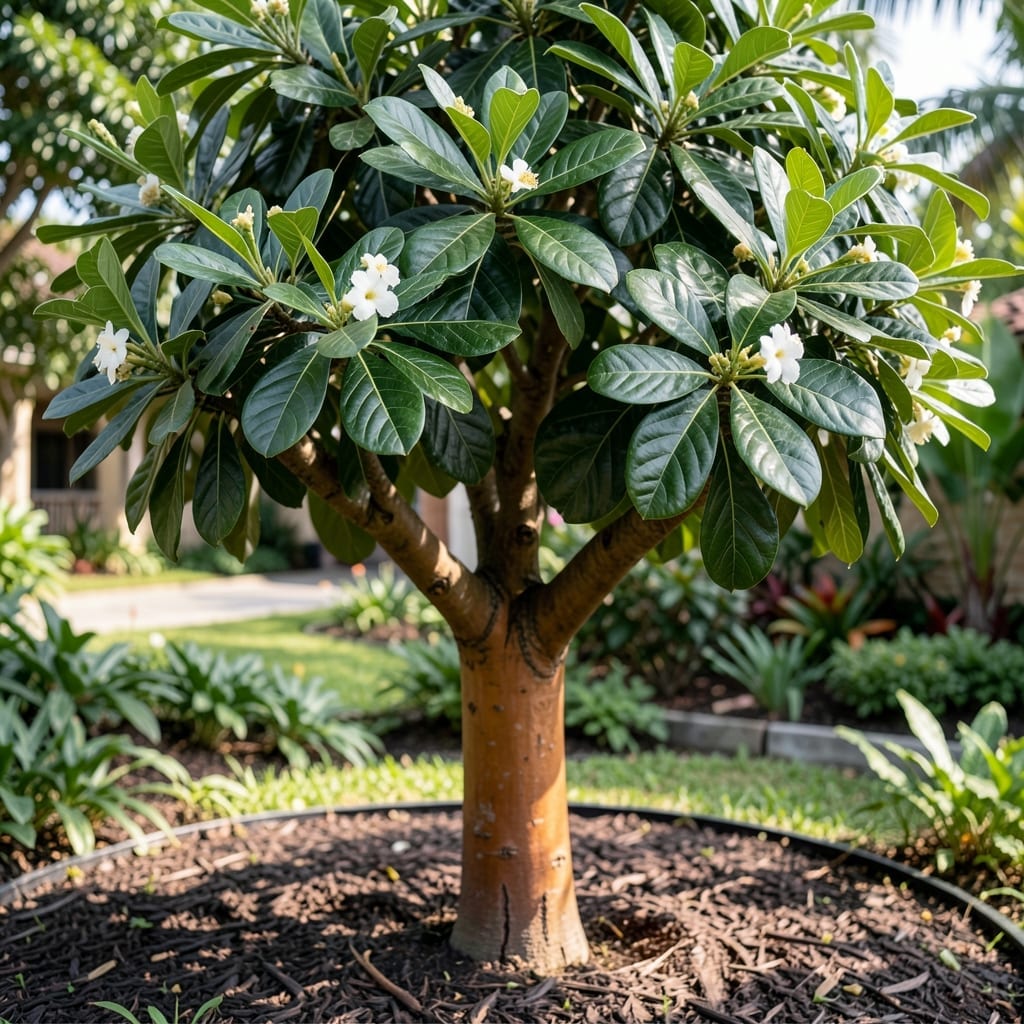
Guava trees 🌳 thrive in warm climates, but their cold tolerance often surprises even seasoned gardeners. These tropical plants can handle chillier temperatures better than you might expect.
Keeping your Guava Tree healthy through cooler months starts with understanding its limits. A little knowledge goes a long way in preventing damage.
I’ll share the key temperature thresholds and practical steps to protect your tree. Let’s ensure your Guava Tree stays strong, no matter the season.
Guava trees are tropical plants that thrive in warm climates, but they can handle cooler temperatures better than many assume. Most varieties are hardy in USDA zones 9-11, where winters stay mild.
These trees typically tolerate temperatures down to 25°F for short periods, but prolonged exposure can cause serious damage. Young trees and certain cultivars may be more sensitive to cold snaps.
| Requirement | Specification |
|---|---|
| Cold Hardiness Zones | USDA 9-11 |
| Minimum Temperature | 25°F (-4°C) |
| Frost Damage Risk | Below 28°F |
| Cold Stress Signs | Leaf drop, bark splitting |
When temperatures drop below 28°F, frost damage becomes a real concern. The first signs often appear as blackened leaves or wilted new growth, which can be disheartening for gardeners.
I’ve seen guava trees recover from light frost if the damage isn’t widespread. However, severe cold can kill back branches or even the entire tree if protective measures aren’t taken.
For gardeners in zone 8 or cooler areas, growing guava in containers is a smart move. This allows you to bring the tree indoors when cold weather hits, protecting it from harsh conditions.
Even in warmer zones, microclimates matter. Planting near a south-facing wall or using windbreaks can provide extra warmth and reduce cold stress on your guava tree.
Mulching heavily around the base helps insulate roots, which are particularly vulnerable. A 3-4 inch layer of organic mulch can make a significant difference during unexpected cold snaps.
It’s also worth noting that established trees tend to handle cold better than young saplings. If you’ve recently planted a guava, give it extra attention as winter approaches.
If you notice cold damage, resist the urge to prune immediately. Wait until spring growth resumes to assess the full extent and prune back only the dead wood.
With the right care, your guava tree can bounce back from mild cold exposure and continue producing delicious fruit for years to come 🌳
When cold weather approaches, your guava tree needs extra protection to survive. These tropical plants aren’t built for freezing temperatures, but with the right care, they can thrive even in cooler climates.
I always start by mulching heavily around the base to insulate the roots. A 3-4 inch layer of organic mulch works wonders during unexpected cold snaps.
For gardeners in zone 8 or cooler, growing guava in containers is a game-changer. You can move the tree indoors when frost is forecasted, keeping it safe from harsh conditions.
Frost cloth is another essential tool. Drape it over your tree before sunset to trap heat from the soil. Secure it properly to prevent wind damage.
Even in warmer zones, microclimates matter. Selecting a sheltered planting spot can provide the extra warmth your guava needs to survive winter.
After a cold snap, resist the urge to prune immediately. Wait until spring growth begins to assess the full extent of any cold damage. Prune back only the dead wood to encourage new growth.
With these steps, your guava tree can weather the cold and continue producing fruit for years to come 🌳