
Beautiful Plants For Your Interior
Beautiful Plants For Your Interior
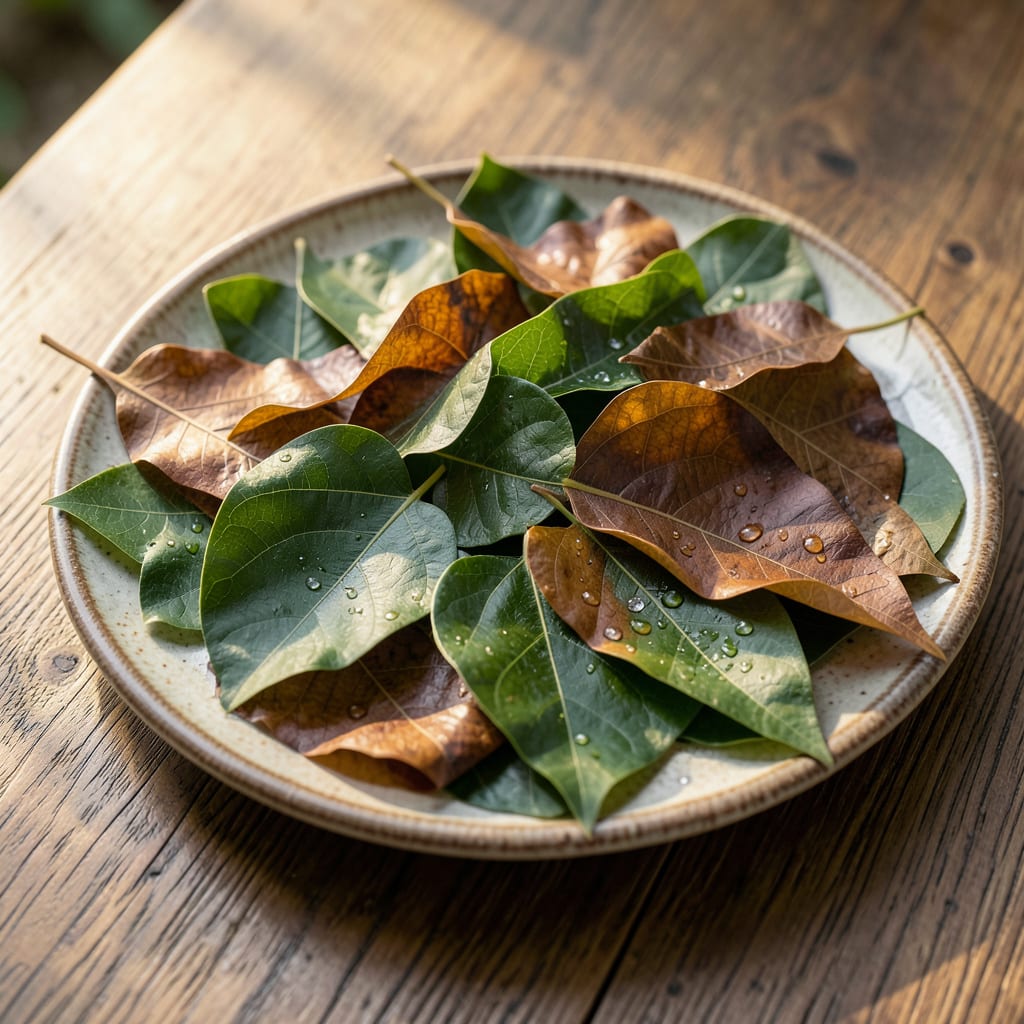
Brown leaves on your guava tree aren’t just unsightly—they’re a distress signal. I’ve seen this happen to even the healthiest-looking trees, and the causes range from underwatering to sneaky fungal infections.
Here’s the thing—most browning starts with water issues, either too little or too much. But pests like spider mites and scale can also suck the life out of leaves, leaving them crisp and brown at the edges.
Nutrient deficiencies, especially magnesium or potassium, show up as brown spots or yellowing first. And don’t overlook environmental stress: sudden temperature swings or harsh winds can trigger it too.
The good news? With the right diagnosis, you can nurse your tree back to vibrant green in a matter of weeks. Let’s figure out what’s really going on.
Guava leaves turning brown often signal underlying stress or disease. Here are the most common causes:
Extreme heat, cold, or sudden temperature swings can scorch leaves, turning them brown. Guava trees thrive in 60–85°F (15–29°C); beyond this range, leaf tissue damages. Drought stress from inconsistent watering also triggers browning, as roots fail to supply moisture to foliage.
Both extremes harm guava leaves. Overwatering suffocates roots, blocking nutrient uptake and causing leaf edges to brown. Underwatering leads to dry, crispy brown patches. Check soil moisture 2 inches deep—it should be damp but not soggy.
Pathogens like Colletotrichum (anthracnose) or Phytophthora cause brown spots with dark margins. These thrive in wet, humid conditions. Look for irregular brown lesions or yellow halos, often starting on older leaves.
Lack of magnesium (yellowing between veins, then browning) or potassium (scorched leaf edges) can discolor leaves. Test soil pH (ideal: 5.0–7.0); imbalances lock out nutrients even if they’re present.
Sap-sucking pests like scale insects or thrips dehydrate leaves, causing brown streaks or stippling. Inspect the undersides of leaves for tiny bugs or sticky residue (honeydew).
Here’s how to tackle each common cause of browning guava leaves, with practical fixes and prevention tips to keep your plant thriving.
Fix: Let the soil dry out between waterings. If the roots are waterlogged, repot the guava in fresh, well-draining soil. Trim any black, mushy roots before replanting.
Prevention: Use a pot with drainage holes and a mix of sandy loam. Water only when the top 1-2 inches of soil feel dry. 💡 Pro tip: Stick your finger in the soil to check moisture—no guesswork!
Fix: Move potted guavas to partial shade during peak afternoon heat. For in-ground plants, provide temporary shade cloth (30-40% coverage) until new growth appears.
Prevention: Gradually acclimate young plants to full sun. Mulch the base to retain moisture and cool the roots.
Fix: Spray leaves with neem oil or insecticidal soap (mix 1 tbsp soap per quart of water) to target aphids, mites, or scale. Wipe off visible pests with a damp cloth for severe cases.
Prevention: Inspect leaves weekly, especially the undersides. Encourage natural predators like ladybugs by planting companion herbs (e.g., basil or dill).
Fix: Apply a balanced fertilizer (10-10-10) or a magnesium-sulfate (Epsom salt) solution (1 tbsp per gallon of water) for yellowing edges. For potassium deficiency, use wood ash or a potassium-rich fertilizer.
Prevention: Feed guava trees every 2-3 months during the growing season. Test soil annually to adjust nutrient levels.
Fix: Prune infected leaves and branches (sterilize tools with rubbing alcohol between cuts). Apply a copper fungicide or bakingsoda spray (1 tsp baking soda + 1 quart water + a drop of soap) for mild cases.
Prevention: Space plants for airflow, avoid overhead watering, and remove fallen leaves promptly to reduce fungal spores.
Water deeply 1-2 times per week, allowing the top 1-2 inches of soil to dry between waterings. Adjust frequency based on weather—less in cool, rainy periods, more in hot, dry spells.
Unfortunately, once leaves turn brown, they won’t recover. Focus on fixing the underlying issue to prevent further damage. New, healthy growth will replace the affected leaves.
Use a balanced 10-10-10 fertilizer every 2-3 months during the growing season. For specific deficiencies, add Epsom salt for magnesium or wood ash for potassium.
