
Beautiful Plants For Your Interior
Beautiful Plants For Your Interior
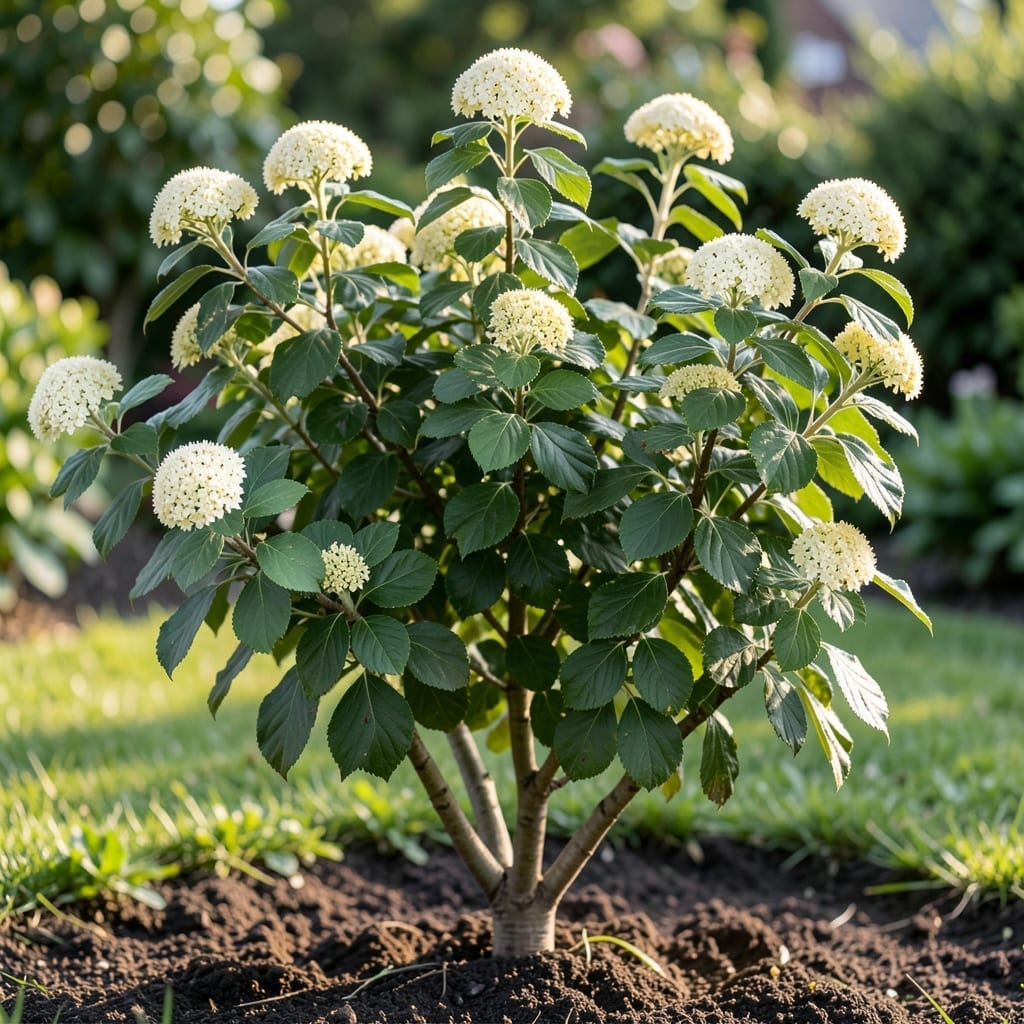
Viburnum shrubs can transform your garden with their lush foliage and vibrant blooms. But here’s the catch – their growth rate varies dramatically based on care and conditions.
I’ve seen 🌿 Viburnum thrive in some yards while struggling in others, and the difference often comes down to understanding a few key factors. Whether you’re planting for privacy or beauty, knowing what to expect is crucial.
Discover how to optimize your shrub’s growth and create the landscape of your dreams. Let’s explore what makes these plants tick.


Not all viburnums grow at the same pace. I’ve found that species selection is the first factor to consider. Some varieties like Arrowwood Viburnum grow 12-24 inches per year under ideal conditions.
Meanwhile, Dwarf varieties may only add 6-12 inches annually. This variation means you can choose a viburnum that fits your landscape timeline perfectly.
| Viburnum Species | Annual Growth Rate | Mature Size |
| Arrowwood | 12-24 inches | 6-15 ft tall |
| Korean Spice | 6-12 inches | 4-6 ft tall |
| Burkwood | 12-18 inches | 8-10 ft tall |
| Dwarf Japanese | 3-6 inches | 2-3 ft tall |
The Arrowwood Viburnum is one of the fastest-growing varieties I recommend for quick privacy screens. It can reach 6 feet in just 3-4 years with proper care.
For smaller spaces, the Dwarf Japanese Viburnum is ideal. Its slow growth and compact size make it perfect for borders or containers. I love using these in layered garden designs.
I’ve noticed that Burkwood Viburnum offers a balanced growth rate. At 12-18 inches per year, it’s great for gardeners who want steady progress without aggressive spreading.
The Korean Spice Viburnum grows at a moderate pace. While not the fastest, its fragrant flowers and fall color make it a favorite among gardeners I work with.
Remember that these are average rates under ideal conditions. Your actual growth may vary based on climate, soil, and care. I always suggest monitoring your plants’ progress each season.
For the fastest results, I recommend planting in early spring and providing consistent moisture. This gives your viburnum the best start for rapid growth.
Don’t forget that mature size matters too. A fast-growing shrub might outgrow its space quickly, while a slow-growing variety gives you more time to shape your landscape.
🌿I’ve learned that viburnum growth depends on several key factors. Soil quality tops the list – these shrubs thrive in well-draining, fertile soil with a pH of 6.0-7.5. 🌱
Sunlight exposure is another game-changer. Most viburnums need 6+ hours of direct sun daily, though some tolerate partial shade. More sun typically means faster growth.
🌿 5 Key Growth Factors
Watering practices significantly impact growth rate. I recommend deep watering once weekly, increasing to twice weekly during hot spells. Consistent moisture encourages steady growth.
Pruning at the right time makes a difference. I always prune my viburnums right after flowering to avoid cutting off next year’s buds. This maintains shape while promoting healthy new growth.
Your climate zone plays a crucial role too. Most viburnums flourish in USDA zones 5-9. In colder areas, growth may slow, while warmer climates can accelerate it. I’ve seen the biggest differences in extreme climates.
Finally, don’t overlook fertilization. A balanced 10-10-10 fertilizer applied in early spring and early summer gives viburnums the nutrients they need for robust growth. I’ve noticed this makes a visible difference in my garden.
🌿