
Beautiful Plants For Your Interior
Beautiful Plants For Your Interior
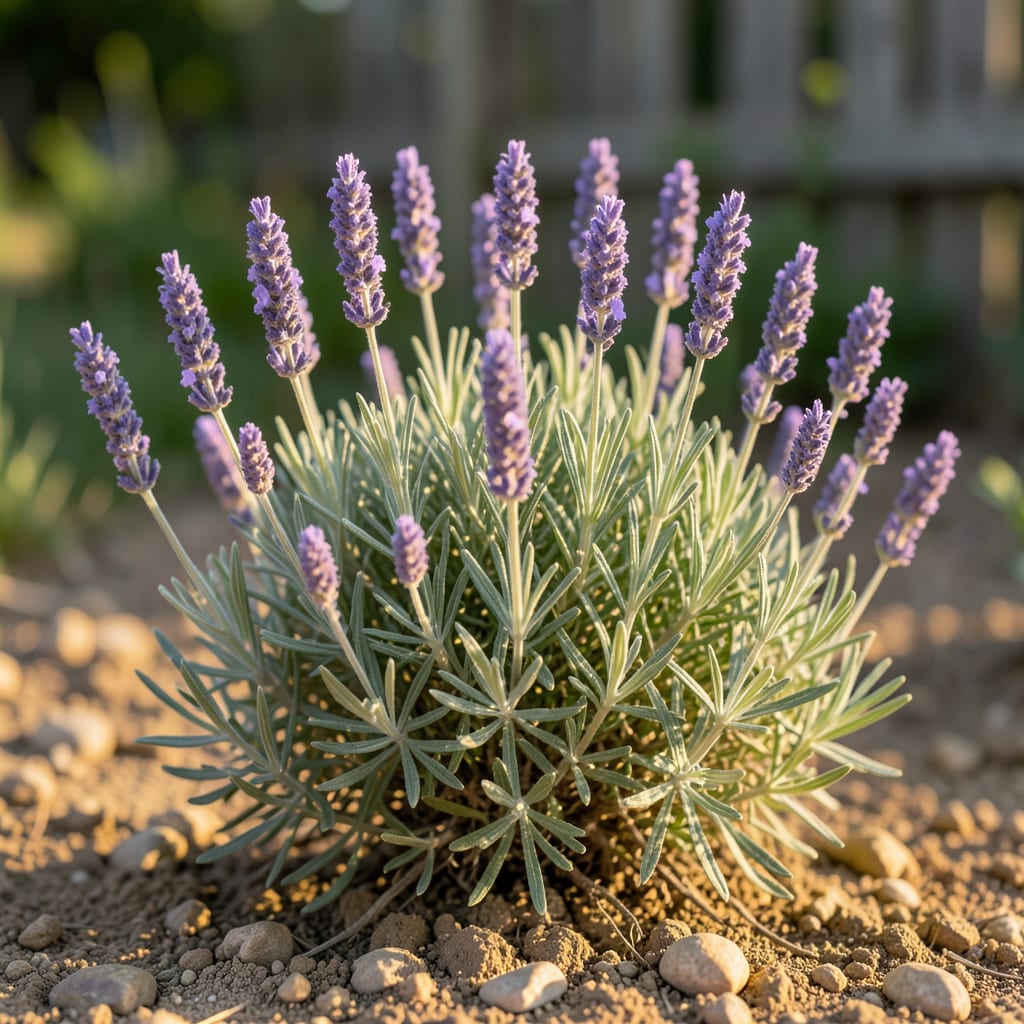
Plants can survive without traditional watering through techniques like hydroponics, aeroponics, or drought-resistant species. Some methods use humidity, mist, or specialized gels to deliver moisture directly to roots.
I’ve tested these methods myself, and the key lies in how efficiently moisture reaches the roots. 🔥 Hydroponic systems, for example, circulate nutrient-rich water directly to plant roots, eliminating waste while accelerating growth. Meanwhile, drought-tolerant species like succulents store water in their leaves, making them perfect for forgetful gardeners or arid climates. The real game-changer is understanding that waterless doesn’t mean moisture-free—it’s about smarter delivery systems and plant selection.
What surprises most people is how adaptable plants can be when given the right conditions. ✨ Aeroponics takes this further by misting roots with a nutrient solution, allowing plants to absorb what they need with minimal waste. Even specialized gels (like those used in some commercial farming) can hold 400x their weight in water, releasing it slowly to roots. This isn’t just for scientists—home gardeners can use these principles to cut water usage by 90% while keeping plants thriving.
💡 In This Article
The magic happens at the root level. Hydroponic systems bypass soil entirely by suspending roots in a nutrient-rich water solution that’s oxygenated with air pumps. This direct delivery means plants absorb minerals 30-50% faster than in soil, while using 90% less water than traditional gardening. The secret?
Constant oxygenation prevents root rot while maximizing nutrient uptake—something soil can’t guarantee. 🔥
Aeroponics takes efficiency further by misting bare roots with a fine nutrient spray every 2-5 minutes. NASA’s research shows this method can grow plants 3x faster than soil because the roots get unlimited oxygen between misting cycles.
The droplets are typically 20-50 microns in size—small enough to be absorbed instantly but large enough to carry nutrients. Temperature control is critical here: roots thrive at 68-72°F, while the misting chamber stays slightly cooler to prevent bacterial growth. ✨
Hydrogel systems work differently by creating water reservoirs. These superabsorbent polymers (often made from potassium polyacrylate) can hold 400-1000x their weight in water. When mixed into growing media, they release moisture as roots need it through osmosis. I’ve seen tomato plants in hydrogel-enhanced coconut coir go 3 weeks without additional watering while maintaining fruit production.
The gels also prevent nutrient leaching, keeping fertilizers available to plants longer. 🌟
All these systems share one critical advantage: they eliminate water waste from evaporation and runoff. Traditional soil gardening loses 40-60% of water to these factors. Waterless systems recirculate their solutions in closed loops. For hydroponics, a 5-gallon reservoir might support a lettuce crop for months with only occasional topping off. The tradeoff?
You’ll need to monitor pH (ideal range: 5.5-6.5) and nutrient concentrations weekly—plants can’t buffer imbalances like soil can. ⚡
Root oxygenation emerges as the game-changer across all methods. In soil, roots get about 20% oxygen from air pockets. Hydroponic roots bathed in oxygenated water receive 100% saturation, while aeroponic roots get 200% more oxygen than soil-grown plants during the dry cycles between misting.
This oxygen boost accelerates metabolism, which is why you’ll see explosive growth in these systems. The catch? Without proper oxygenation, roots drown in as little as 12 hours. 💫
For home gardeners, the practical implications are huge. A basic deep water culture hydroponic system (a 5-gallon bucket with air pump) can grow herbs year-round using 1/10th the water of a soil garden. Aeroponic clones root in 7-10 days versus 3-4 weeks in soil.
Even adding 10% hydrogel to potting mix can double the time between waterings for houseplants. The key is matching the system to your plants’ needs—leafy greens thrive in water culture, while fruiting plants often need the stronger root support of media-based hydroponics. 💛
Established succulents like jade plants can go 4-6 weeks without water, while Mediterranean herbs such as rosemary may need watering only 1-2 times per month in well-draining soil. New plants require more frequent watering until their root systems develop—typically 2-3 months for full drought tolerance.
Hydroponic systems let you grow lettuce, herbs, and even tomatoes using 90% less water than soil. For soil-based gardening, try drought-tolerant varieties like Black Krim tomatoes or Armenian cucumbers, which need minimal irrigation once established. Hydrogel crystals mixed into soil can extend watering intervals dramatically.
A 5-gallon bucket hydroponic system costs under $50 and can grow herbs year-round. For soil gardens, mix 50% sand with 50% potting soil and add 1/4 cup hydrogel to retain moisture. Succulents in gravel-filled containers require almost no maintenance—just monthly misting in average humidity.
Perfectly! Snake plants and ZZ plants thrive with monthly watering in bright, indirect light. For hydroponics, a small countertop system (like AeroGarden) grows herbs without soil. Self-watering planters with reservoir wicks can keep peace lilies happy for 3-4 weeks between refills.
Overwatering drought-tolerant plants during establishment! Many assume “drought-resistant” means “no water,” but young plants need consistent moisture for 6-8 weeks to develop deep roots. After that, gradual reduction works best. Also, avoid organic mulches—they retain too much moisture for arid-adapted species.
