
Beautiful Plants For Your Interior
Beautiful Plants For Your Interior
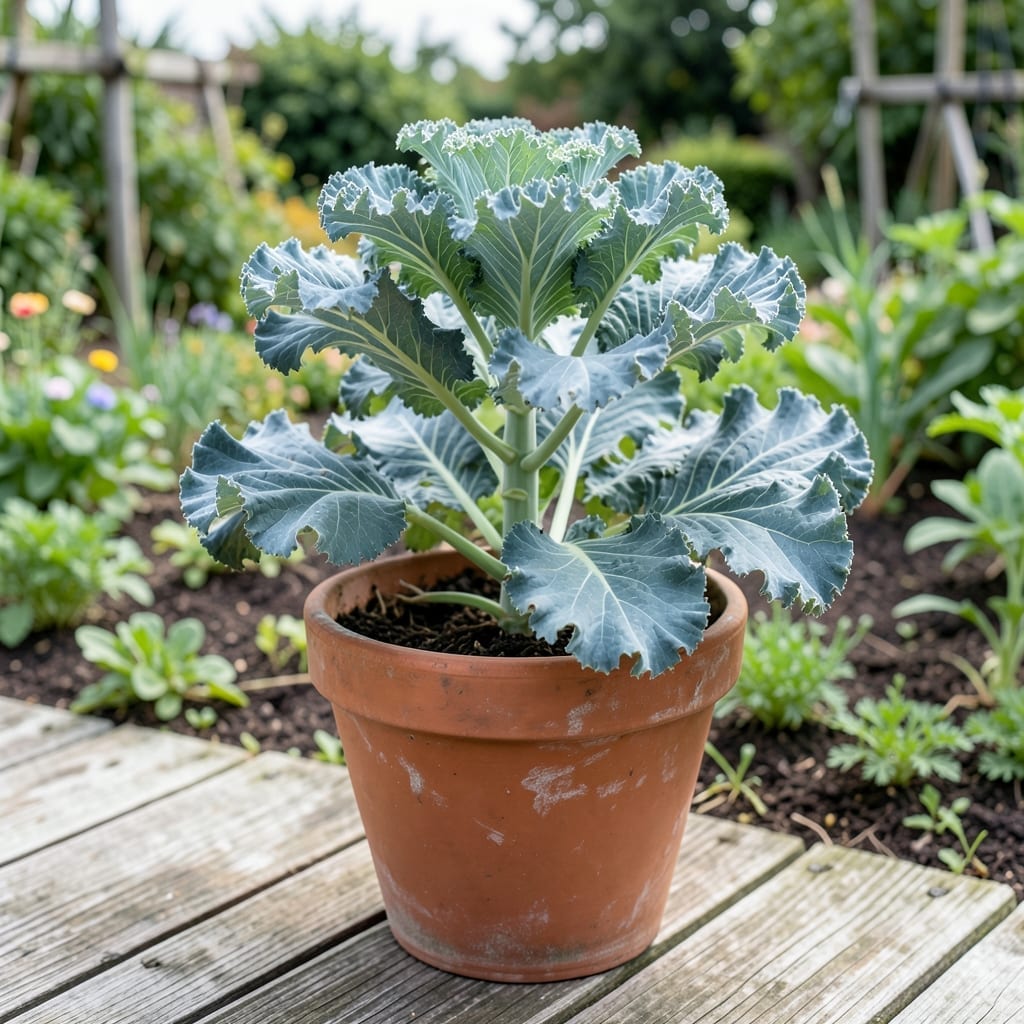
You don’t need a sprawling garden to enjoy fresh, homegrown 🥬 Kale. Growing this nutritious green in containers is easier than you think.
With the right approach, even a small balcony or patio can yield a bountiful harvest. I’ve tested multiple methods, and what I’m about to share will help you succeed.
Discover how to pick the perfect pot, soil, and care routine for thriving Kale plants in tight spaces. Let’s get started.
Growing kale in containers is a fantastic way to enjoy fresh greens without a large garden. I’ve found that even small spaces like balconies or patios can produce a bountiful harvest with the right setup. The key is choosing the right container and soil mix. 🌱
Start with a container that’s at least 12 inches deep and has drainage holes. Kale roots need room to spread, so bigger is better. I recommend using a lightweight potting mix designed for vegetables. 🪴
Once your container is ready, it’s time to plant. I prefer transplanting seedlings for a head start, but you can also sow seeds directly. Space plants 12 inches apart to give them room to grow. Water gently but thoroughly after planting. 💧
Kale thrives in full sun to partial shade. If you’re growing on a balcony, aim for at least 4-6 hours of direct sunlight daily. If sunlight is limited, consider a grow light to supplement. ☀️
Watering is crucial. Kale likes consistent moisture, so check the soil daily. If the top inch feels dry, it’s time to water. Avoid overhead watering to prevent fungal diseases. I water my containers every 2-3 days in hot weather. 💧
Feed your kale with a balanced fertilizer every 4-6 weeks. I use a 10-10-10 formula to ensure steady growth. Organic options like compost tea work well too. Remember, container plants deplete nutrients faster than in-ground plants. 🌿
Harvesting is the best part! Start picking outer leaves when they’re about 8-12 inches long. This encourages the plant to produce more. Always leave the central bud intact for continuous growth. ✂️
Keep an eye out for pests like aphids or cabbage worms. I use neem oil or insecticidal soap for organic control. Regularly inspect the undersides of leaves for early signs of trouble. 🛠️
With these steps, you’ll have healthy, thriving kale in no time. Container gardening makes it easy to enjoy fresh greens right at your doorstep. Happy growing! 🌱
Not all kale varieties thrive equally in pots. I’ve tested several types and found that compact varieties perform best in containers. They’re bred for small spaces and still pack a nutritional punch. 🌱
Look for dwarf or miniature types that won’t outgrow your container quickly. These varieties maintain a manageable size while producing tender, flavorful leaves perfect for fresh eating. 🌿
| Variety | Growth Habit | Flavor | Cold Tolerance | Container Size |
|---|---|---|---|---|
| Dwarf Blue Curled | Compact, curly | Mild, sweet | High | 12″ pot |
| Lacinato | Tall, narrow | Rich, earthy | Very High | 14″ pot |
| Red Russian | Bushy, flat | Peppery, tender | Moderate | 12″ pot |
| Winterbor | Upright, curly | Sweet, crisp | Extreme | 16″ pot |
Dwarf Blue Curled is my top pick for beginners. It stays small, grows quickly, and handles cold temperatures well. Perfect for those with limited space or cooler climates. ☀️
Lacinato kale, also called dinosaur kale, has striking blue-green leaves. It needs slightly more space but rewards you with abundant harvests and excellent cold tolerance. 🌡️
Red Russian offers a milder flavor and attractive red stems. It’s less cold-hardy but grows well in warmer container conditions. Ideal for summer and fall planting. 🪴
For the most cold-resistant option, try Winterbor. It can survive temperatures down to 10°F and keeps producing through light frosts. Great for extending your growing season. 🌿