
Beautiful Plants For Your Interior
Beautiful Plants For Your Interior
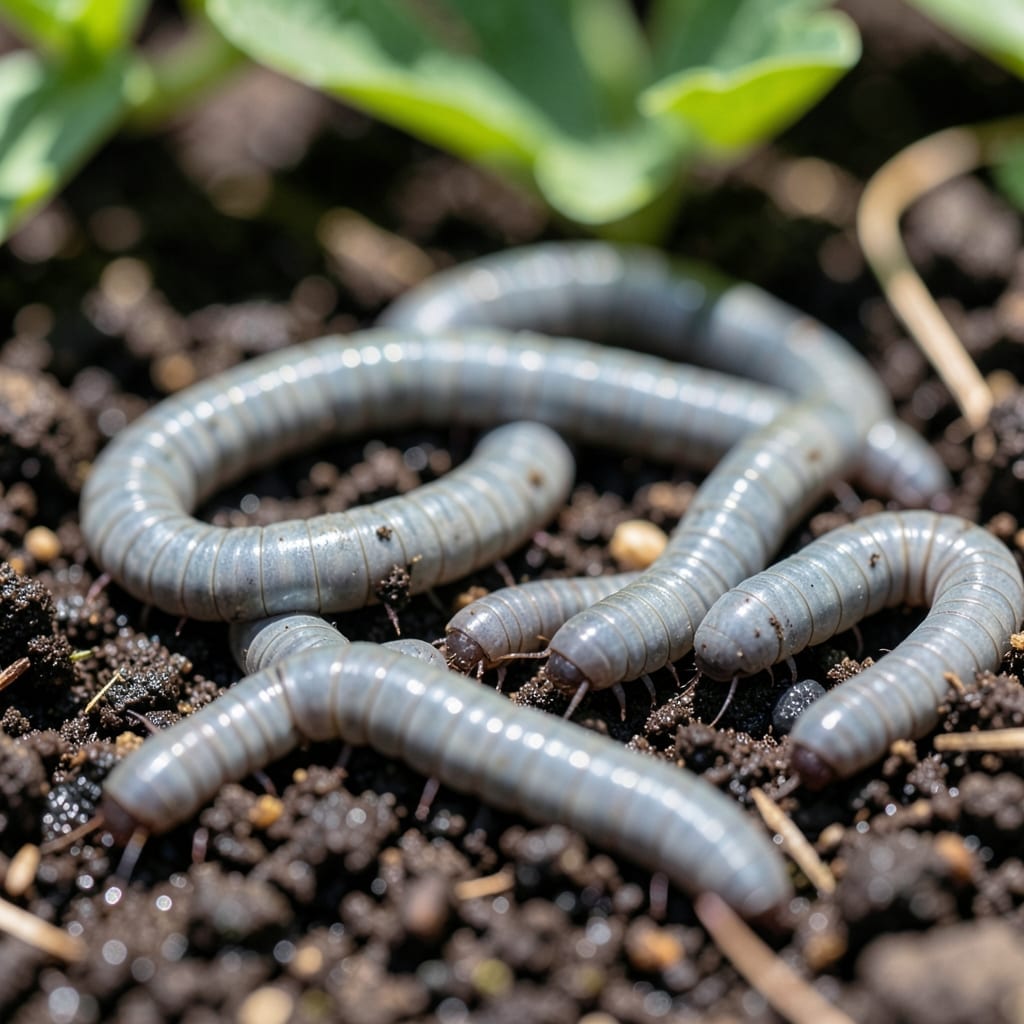
I spotted my first grey worm last spring and panicked. These aren’t your friendly garden helpers—they’re often cutworms or grubs that can devastate young plants overnight.
They hide in soil during the day, emerging to chew through stems at base level. Left unchecked, they’ll take down seedlings in 24-48 hours, leaving a trail of wilted plants in their wake.
Here’s the thing—organic removal works better than you’d expect. Handpicking at dusk, using cardboard collars, or introducing beneficial nematodes can solve the problem without chemicals.
Best part? These methods protect your plants and the soil ecosystem. The key is catching them early before they multiply.
Grey worms in your garden are often a sign of natural soil activity, but their sudden appearance can point to specific conditions. Here’s why they show up:
Overwatered soil or poor drainage creates the perfect damp environment for grey worms (like Eisenia fetida or red wigglers turning pale). These worms thrive in moist, oxygen-rich soil but become more visible when water saturates their habitats, forcing them to the surface.
An abundance of decaying leaves, compost, or mulch attracts worms. Grey worms, especially compost-dwelling species, feed on decomposing organic material. If your garden has a thick layer of unturned compost or leaf litter, expect more worm activity.
Worms are sensitive to temperature. In cooler seasons, they stay near the surface where it’s warmer. Grey worms may appear after rain or during mild winters when soil temperatures hover between 50–70°F (10–21°C), their ideal range.
Tilling, digging, or heavy foot traffic can disrupt worm burrows, pushing them upward. If you’ve recently worked the soil, grey worms may surface as they rebuild their tunnels.
Slightly acidic to neutral soil (pH 6.0–7.0) suits most worms, but overly acidic or alkaline conditions can stress them. Grey discoloration in worms might indicate poor soil health, prompting them to migrate.
Dealing with grey worms in your garden doesn’t have to be a headache. Below are targeted solutions for common causes, along with prevention tips to keep your soil healthy and worm-free.
If excess moisture is attracting grey worms, start by reducing watering frequency and allowing the top inch of soil to dry out between waterings. For heavy clay soil, mix in organic matter like compost or sand to improve drainage. Raised beds can also help prevent waterlogging in problem areas.
Prevention Tip: 💡 Use a moisture meter to avoid overwatering, and ensure pots have drainage holes.
Grey worms thrive in decomposing leaves, mulch, or compost piles. Clear out old plant debris and replace it with fresh, well-aged compost. Avoid leaving grass clippings or fallen leaves to pile up, as these create ideal breeding grounds.
Prevention Tip: 🎯 Regularly turn your compost pile to speed up decomposition and discourage worm infestations.
Encourage natural predators like birds, toads, or ground beetles by adding birdhouses, water sources, or native plants to your garden. If grey worms are still an issue, introduce nematodes (microscopic worms that target pests) to the soil—these are safe for plants and humans.
Prevention Tip: ✨ Avoid chemical pesticides, which can harm beneficial predators and disrupt the ecosystem.
Compacted soil traps moisture and attracts grey worms. Use a garden fork or aerator to loosen the top 6 inches of soil, improving airflow and drainage. For large areas, consider a core aerator for deeper penetration.
Prevention Tip: 🌡️ Add perlite or coarse sand to heavy soil to keep it loose and well-drained long-term.
Some grey worms like cutworms can be destructive, severing young plants at soil level overnight. Others are harmless decomposers. Check for chewed stems or wilting seedlings to identify the harmful types.
Beneficial worms stay in soil, improving aeration. Pest worms (like cutworms) surface at night and leave visible plant damage. Look for curled bodies near stems or leaf debris.
Handpick worms at dusk or dawn when they’re active. Drop them in soapy water. For larger infestations, use beneficial nematodes or diatomaceous earth for organic control.
They may return if conditions remain favorable. Reduce moisture, remove organic debris, and maintain soil health to prevent recurrence. Regular checks help catch new infestations early.