
Beautiful Plants For Your Interior
Beautiful Plants For Your Interior
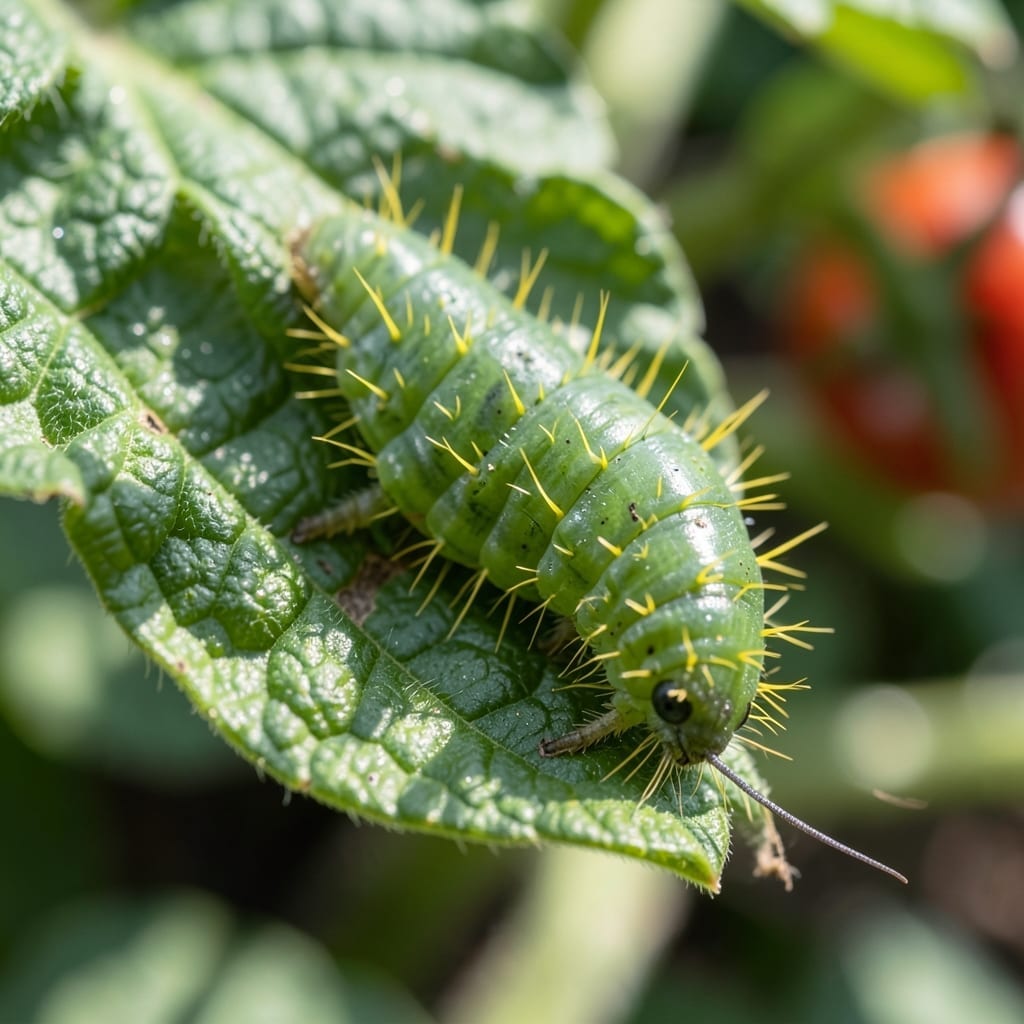
I spotted my first one clinging to a tomato leaf last summer. This pest isn’t your average caterpillar—those bright yellow spikes and neon green body make it unmistakable.
They appear overnight and can defoliate plants in days. The good news? These invaders are slow-moving and easy to spot once you know what to look for. I’ve removed dozens by hand without chemicals.
Your garden can recover quickly with the right approach. The key is catching them early before they multiply and move to neighboring plants.
Works for vegetable patches, flower beds, and container gardens alike. Here’s how to identify and eliminate them for good.
The appearance of a green worm with yellow spikes is often tied to specific environmental and biological factors. Below are the primary causes behind their emergence, explained with actionable insights.
These worms thrive in dense, untamed foliage. Overgrown gardens or untrimmed plants provide ample food sources (like leaves) and shelter from predators. Action: Regularly prune plants and remove dead leaves to disrupt their habitat.
High humidity or stagnant water attracts egg-laying adults. Puddles, poor drainage, or overwatering create ideal breeding grounds. Action: Improve drainage and avoid overwatering to reduce moisture buildup.
These pests are most active in warm, temperate climates (60–85°F). Heat accelerates their lifecycle, leading to rapid infestations. Action: Monitor local temperatures and deploy preventive measures (e.g., neem oil) during peak seasons.
Certain plants (e.g., tomatoes, cabbage) are magnets for these worms. Their presence signals a food-rich environment. Action: Rotate crops or use companion planting (e.g., marigolds) to deter adults from laying eggs.
If you’ve spotted a green worm with yellow spikes in your garden or home, act fast to prevent damage. Below are targeted solutions for common infestation causes, along with prevention tips to keep them from returning.
Fix: Trim back dense foliage and remove decaying plant matter where these pests thrive. Prune regularly to improve airflow and reduce hiding spots. Use a handheld pruner for precision, and dispose of clippings in sealed bags to avoid reinfestation.
Prevention: Maintain a clean garden by raking leaves and clearing debris weekly. Plant pest-repellent species like marigolds or lavender nearby.
Fix: Inspect plants for egg clusters or chewed leaves. Remove affected parts immediately and submerge them in soapy water to kill larvae. For severe cases, apply neem oil spray (mix 2 tbsp oil + 1 tsp dish soap per gallon of water) every 3–5 days until gone.
Prevention: Rotate crops annually and avoid overwatering. Introduce beneficial insects like ladybugs to prey on eggs.
Fix: Seal cracks in windows, doors, and foundations with caulk or weatherstripping. Check potted plants before bringing them inside, and quarantine new plants for 1–2 weeks.
Prevention: Install fine mesh screens on vents and keep storage areas dry. Store firewood and compost bins at least 20 feet from your home.
Pro Tip 💡: If worms persist, set up yellow sticky traps near problem areas to monitor and reduce populations naturally.
Yes, they can quickly defoliate plants by eating leaves and stems. A small group can strip a plant bare in just a few days if left unchecked.
Pick them off wearing gloves and drop them into soapy water. Check the undersides of leaves and stems, as they often hide there during the day.
No, the yellow spikes are harmless and cannot pierce skin. They’re primarily for defense against predators, not for attacking humans.