
Beautiful Plants For Your Interior
Beautiful Plants For Your Interior
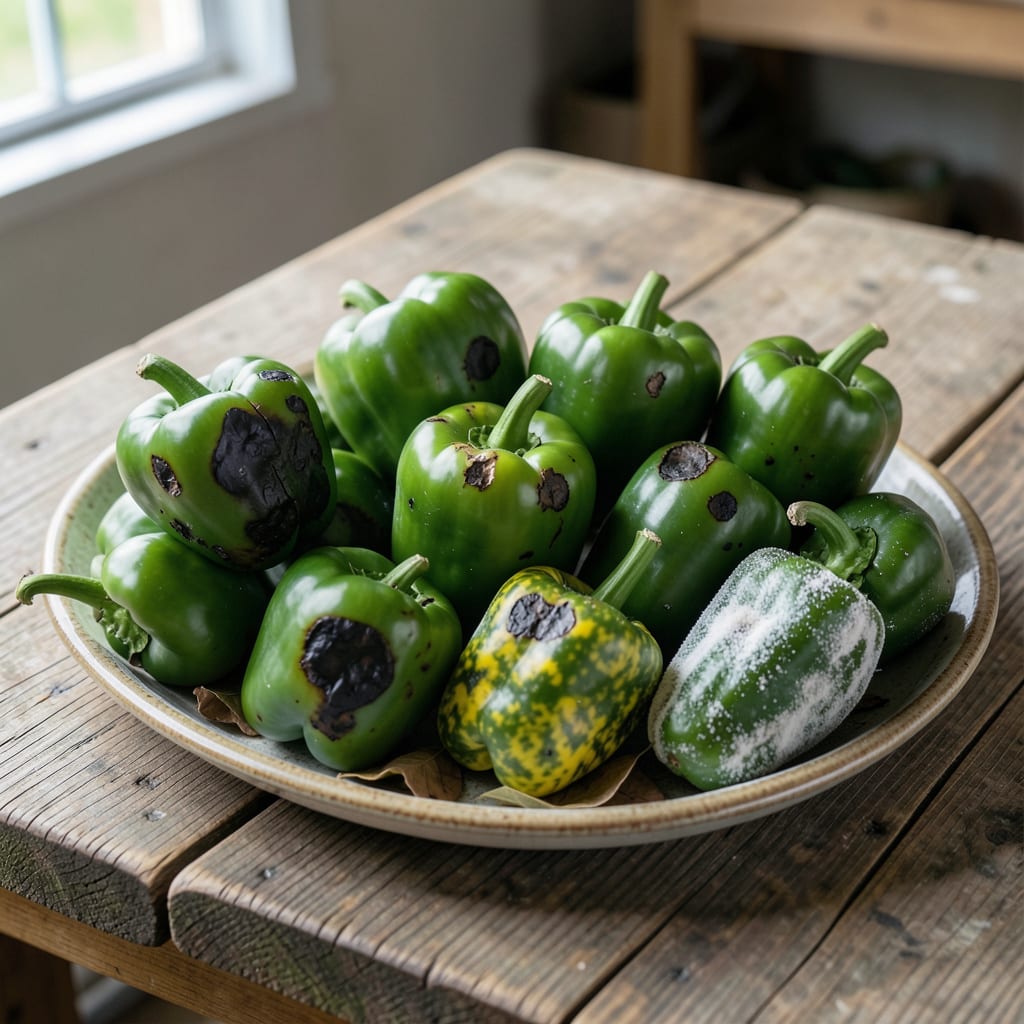
I’ve lost entire pepper crops to silent killers hiding in plain sight. Green pepper plants rarely show distress until it’s almost too late, and by then, the damage spreads fast.
Here’s the thing—most issues start with subtle changes: yellowing leaves, dark spots, or stunted growth. These aren’t random problems but clear signals of fungal infections, bacterial diseases, or environmental stress. Catching them early means the difference between a full harvest and a failed season.
With the right knowledge, you can diagnose problems before they overwhelm your plants. Simple adjustments to watering, spacing, or soil management often stop diseases in their tracks.
No fancy equipment required—just sharp eyes and quick action. This approach works for backyard gardens and container setups alike.
Understanding why diseases strike your green pepper plants starts with recognizing the key triggers. Below are the primary causes, each with a clear scientific basis.
Extreme temperatures, excessive moisture, or poor air circulation create ideal conditions for pathogens. Fungal diseases like Phytophthora blight thrive in waterlogged soil, while bacterial spot spreads rapidly in humid, warm environments. Consistent temperatures between 70–85°F (21–29°C) and proper spacing between plants can mitigate these risks.
Insects such as aphids, whiteflies, and flea beetles don’t just damage plants directly—they also act as vectors for viral diseases like Cucumber Mosaic Virus (CMV). Their piercing mouthparts introduce pathogens into plant tissues. Regularly inspect the undersides of leaves and use neem oil or insecticidal soaps to keep pest populations in check.
Overwatering, contaminated tools, or using infected seeds can introduce or spread diseases. For example, Verticillium wilt persists in soil and infects plants through root systems. Always sterilize gardening tools with a 10% bleach solution and rotate crops to disrupt disease cycles.
Weak or malnourished plants are more susceptible to infections. A lack of calcium can lead to blossom-end rot, while nitrogen deficiencies reduce overall plant vigor. Conduct a soil test and amend with organic matter or targeted fertilizers to ensure optimal nutrient levels.
Dealing with green pepper plant diseases doesn’t have to be overwhelming. Below are practical, step-by-step solutions for common problems, along with prevention tips to keep your plants thriving.
If you notice dark, water-soaked spots on leaves, act fast. Remove and destroy infected leaves to prevent spread. Apply a copper-based fungicide every 7–10 days until the issue clears. Prevention tip: 💡 Avoid overhead watering and space plants for better airflow.
White, powdery patches on leaves signal mildew. Mix 1 tbsp neem oil with 1 gallon of water and spray affected areas weekly. Prevention tip: ✨ Water at the base of the plant and avoid wet foliage, especially in humid weather.
Clustered, sticky bugs on stems or leaves? Blast them off with water, then spray with a mix of 1 tsp mild soap and 1 quart of water. Repeat every few days. Prevention tip: 🎯 Introduce beneficial insects like ladybugs to your garden.
Dark, sunken spots on peppers mean calcium deficiency. Add crushed eggshells or a calcium-rich fertilizer to the soil. Prevention tip: 🌡️ Maintain consistent soil moisture—fluctuations trigger this issue.
Tiny webs or speckled leaves? Use insecticidal soap or a strong water spray to dislodge mites. Prevention tip: 💡 Keep the garden free of dust and debris where mites thrive.
Early action and consistent care are key. Rotate crops yearly and sanitize tools to minimize future risks. Happy gardening! 🌿
Look for white powdery spots, dark lesions, or wilting leaves. Powdery mildew appears as white patches, while Phytophthora blight causes water-soaked spots and stem rot.
Remove them by hand or spray with 1 tsp mild soap mixed in 1 quart water. For prevention, introduce ladybugs or use neem oil weekly.
Yes! Excess moisture creates ideal conditions for fungal growth. Always water at the base and ensure good drainage to avoid root rot or bacterial spot.
Add crushed eggshells or a calcium supplement to the soil. Maintain consistent moisture levels to prevent this common issue.
