
Beautiful Plants For Your Interior
Beautiful Plants For Your Interior
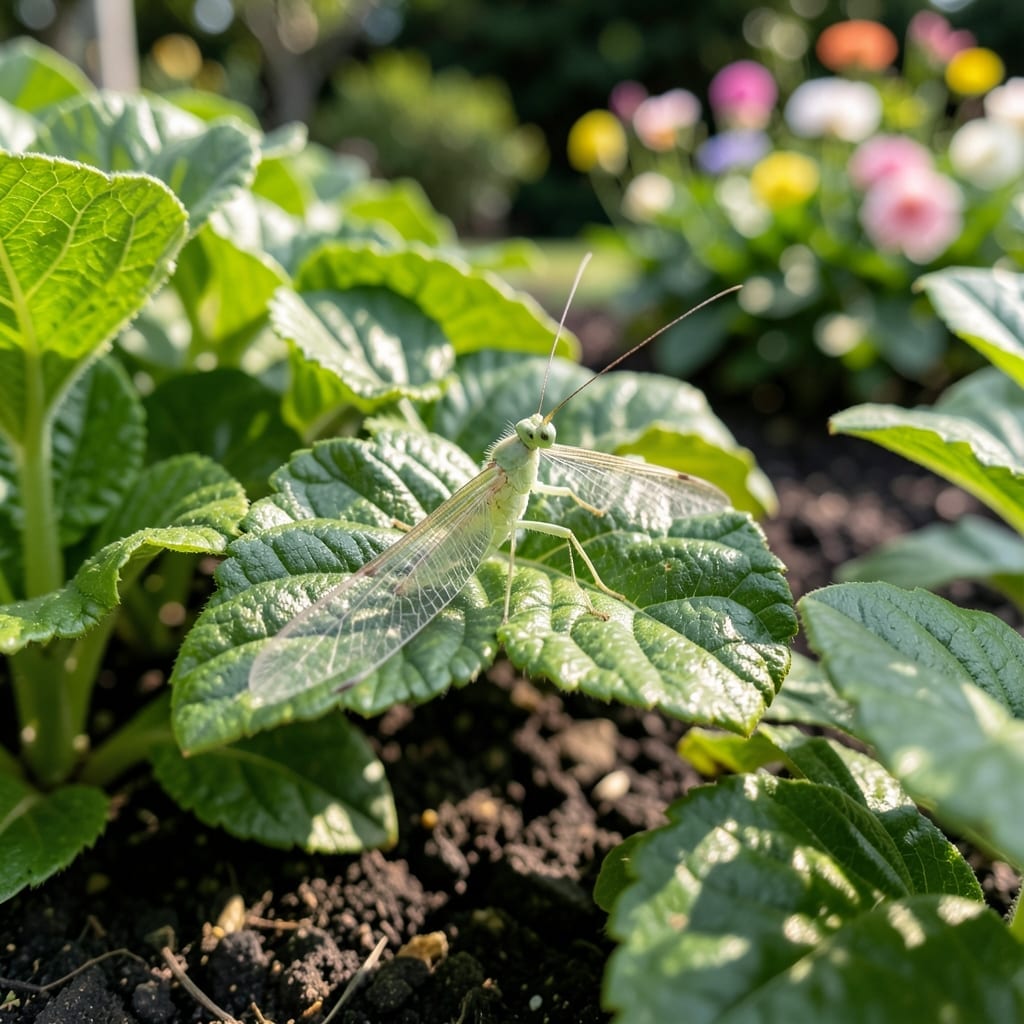
I first noticed them while inspecting my aphid-infested kale—tiny alligator-like creatures devouring pests at an astonishing rate. These are green lacewing nymphs, nature’s most voracious garden protectors.
One nymph can consume 200-300 aphids in a week, along with mites, thrips, and other soft-bodied pests. Unlike pesticides, they leave beneficial insects untouched while working around the clock.
Attracting them is simple: plant nectar-rich flowers like cosmos or dill, and avoid broad-spectrum pesticides. They’ll arrive on their own or you can introduce them directly.
Within days, you’ll see pest populations plummet as these natural predators establish themselves in your garden ecosystem.
The green lacewing nymph is a voracious predator, and its presence in your garden is no accident. Several ecological and environmental factors contribute to its thrive. Below are the primary reasons why these beneficial insects appear and flourish in certain conditions.
Green lacewing nymphs feed on soft-bodied pests like aphids, mites, thrips, and small caterpillars. Gardens with high populations of these pests naturally attract lacewing adults, which lay eggs that hatch into hungry nymphs. A single nymph can consume 200–300 aphids during its development, making prey density a critical driver of their presence.
These nymphs thrive in environments with diverse plant life, which provides hiding spots from predators and harsh weather. Dense foliage, mulch, and ground covers offer the perfect microhabitats for lacewing eggs and nymphs to develop undisturbed. Gardens with native plants and minimal pesticide use are especially inviting.
Green lacewing nymphs prefer moderate temperatures (70–85°F) and high humidity. In regions with warm, stable climates, they reproduce year-round. However, extreme heat, cold, or drought can limit their activity. Providing a consistent water source (e.g., shallow dishes with pebbles) helps sustain their populations during dry spells.
Synthetic pesticides indiscriminately kill beneficial insects, including lacewing nymphs. Gardens that rely on organic pest control methods or integrated pest management (IPM) create a safer space for these natural predators to establish themselves. Avoiding broad-spectrum insecticides ensures their survival and reproduction.
If green lacewing nymphs are becoming a nuisance in your garden, don’t panic—there are simple ways to restore balance without harming these beneficial predators. Here’s how to address common issues and keep your garden thriving.
If nymphs are clustering on certain plants, it may mean they’re overhunting pests in that spot. Gently relocate them by hand to other infested areas of your garden. Use a soft brush or leaf to coax them onto aphid-heavy plants. This spreads their benefits and prevents localized overpopulation.
While rare, nymphs might prey on other helpful insects like ladybug larvae if pest populations are low. Encourage diversity by planting nectar-rich flowers (e.g., marigolds, alyssum) to attract alternative food sources for adult lacewings. This reduces pressure on beneficial species.
Nymphs are highly sensitive to chemical sprays. Switch to organic pest control like neem oil or insecticidal soap, and always apply in the early morning or late evening when nymphs are less active. Avoid broad-spectrum pesticides entirely.
With these adjustments, you’ll harness the power of green lacewing nymphs while keeping your garden ecosystem in harmony. ✨
Look for tiny alligator-shaped insects with long mandibles. They’re usually brown or beige with camouflage patterns and move quickly when disturbed. Check aphid-heavy plants first!
No, they’re harmless to humans. Their mandibles are designed for soft-bodied pests, not skin. They might pinch if mishandled, but it’s painless and rare.
The nymph stage lasts 2-3 weeks before pupating. During this time, they eat voraciously—perfect for controlling garden pests naturally.
Yes! Many garden centers sell lacewing eggs or larvae. Release them at dusk and provide water for best results. Avoid pesticides to keep them thriving.