
Beautiful Plants For Your Interior
Beautiful Plants For Your Interior
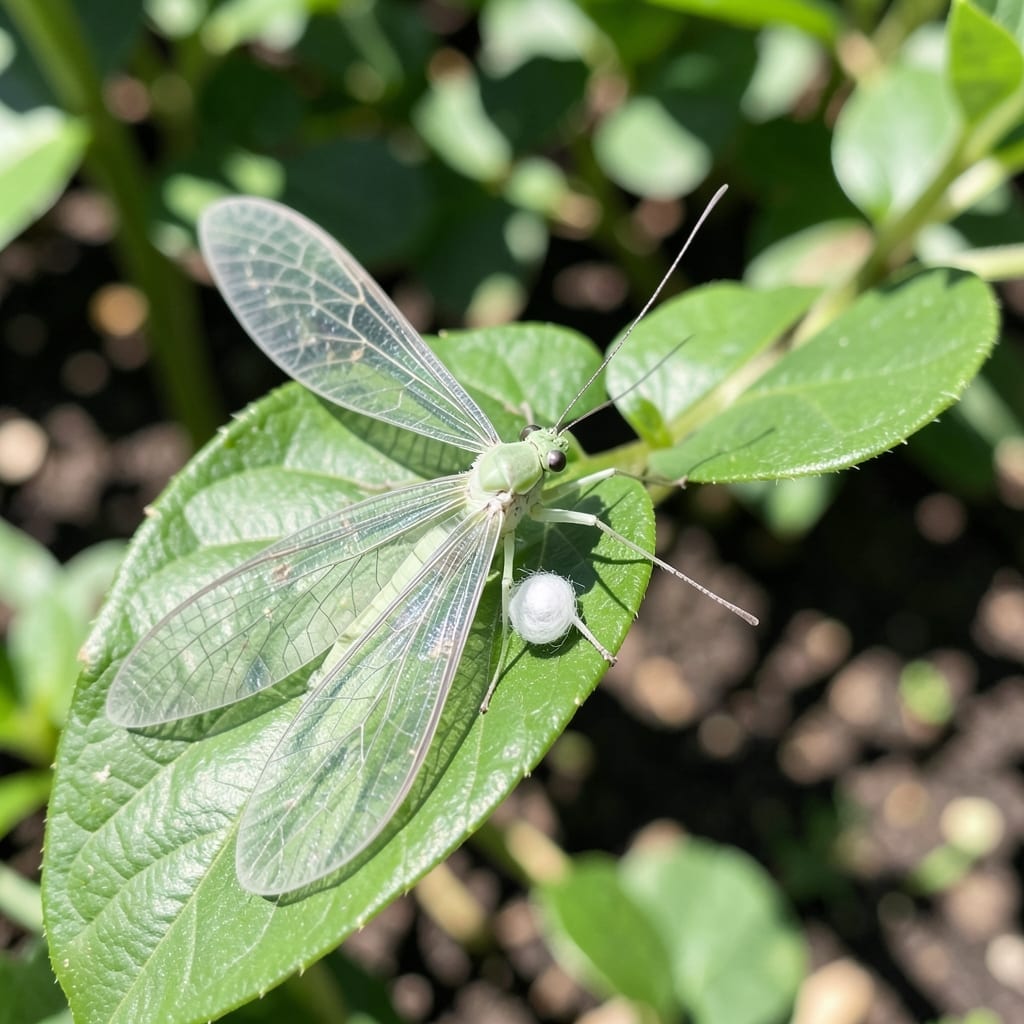
Tiny green cocoons hanging from leaves are your garden’s secret weapon. I spotted my first lacewing cocoon last summer after battling aphids for weeks—then watched the larvae hatch and devour every last pest.
These delicate structures produce voracious predators that consume 200+ aphids each before becoming adults. No chemicals, no effort—just nature doing the work if you provide the right conditions.
Attract them with pollen-rich flowers and avoid broad-spectrum pesticides. A single lacewing can protect dozens of plants in a season, leaving your garden thriving without the fuss.
Works in vegetable beds, flower borders, or container gardens. Here’s how to make your space irresistible to them.
The formation of a green lacewing cocoon is a natural part of the insect’s life cycle, driven by biological and environmental factors. This metamorphosis ensures the survival of the species and its role as a garden ally. Below are the key triggers behind this fascinating process:
As green lacewing larvae mature, their bodies undergo hormonal shifts, primarily regulated by juvenile hormone and ecdysone. These hormones signal the larva to stop feeding, seek a sheltered spot, and begin spinning its silken cocoon. This internal clock ensures the transition to adulthood happens at the optimal time for survival.
Temperature and daylight play a critical role. Green lacewings typically enter the cocoon stage in response to warmer temperatures (around 70–80°F) and longer daylight hours, which indicate favorable conditions for pupation. Cooler or unstable weather may delay this process, as the insect waits for safer conditions.
Larvae spin cocoons when food sources (like aphids, mites, or other pests) become scarce. This ensures they pupate before starving. Gardens with abundant prey may see delayed cocoon formation, while those with fluctuating pest populations trigger faster development.
The cocoon stage is a survival strategy. By encasing itself in silk, the green lacewing avoids predators like birds, ants, or spiders. This protective barrier allows it to safely complete metamorphosis, emerging as an adult ready to reproduce and continue the cycle.
If your lacewing cocoons aren’t thriving, here’s how to troubleshoot common problems and keep your garden’s pest control on track.
If cocoons aren’t hatching, check for dry conditions. Green lacewings need 70-80% humidity to develop properly. Mist the area lightly or place a shallow water dish nearby. Ensure the temperature stays between 70-85°F—extreme heat or cold can stall development.
Prevention tip: 💡 Keep cocoons in a shaded, moist environment until they hatch.
Ants, birds, or spiders may raid cocoons before larvae emerge. Protect them by placing cocoons in fine mesh bags or under row covers. Avoid broad-spectrum pesticides, which can harm lacewings too.
Prevention tip: 🎯 Release cocoons at dusk when predators are less active.
If cocoons take longer than 5-7 days to hatch, they might be in diapause (a dormant state). Trigger activity by exposing them to 12+ hours of light daily or slightly increasing warmth. Gently check for signs of life—healthy cocoons feel firm, not shriveled.
Prevention tip: ✨ Store cocoons in a consistent environment before release to avoid delays.
Cocoons placed in direct sunlight or windy spots can dry out or get dislodged. Hang them in sheltered areas like under leaves or in dense foliage, where emerging larvae can immediately find prey.
Prevention tip: 🌡️ Secure cocoons with non-toxic glue or fine netting to keep them in place.
With these fixes, your lacewing cocoons will have the best chance to mature and start protecting your garden naturally!
Under ideal conditions (70-85°F with 70-80% humidity), larvae typically emerge in 5-7 days. Cooler temperatures or low humidity can extend this period significantly.
They appear as small, oval, silken sacs (3-4mm long) often hanging from leaves or stems. Fresh cocoons are pale green, turning brown as they mature. Look closely for the delicate silk threads.
Yes, but handle them gently with tweezers or a soft brush. Place them in shaded, sheltered spots on pest-infested plants. Avoid direct sunlight or windy areas to prevent drying out.
Common causes include low humidity, temperature extremes, or predator interference. Check for dry air or ants nearby. Maintain consistent conditions between 70-85°F for best results.