
Beautiful Plants For Your Interior
Beautiful Plants For Your Interior
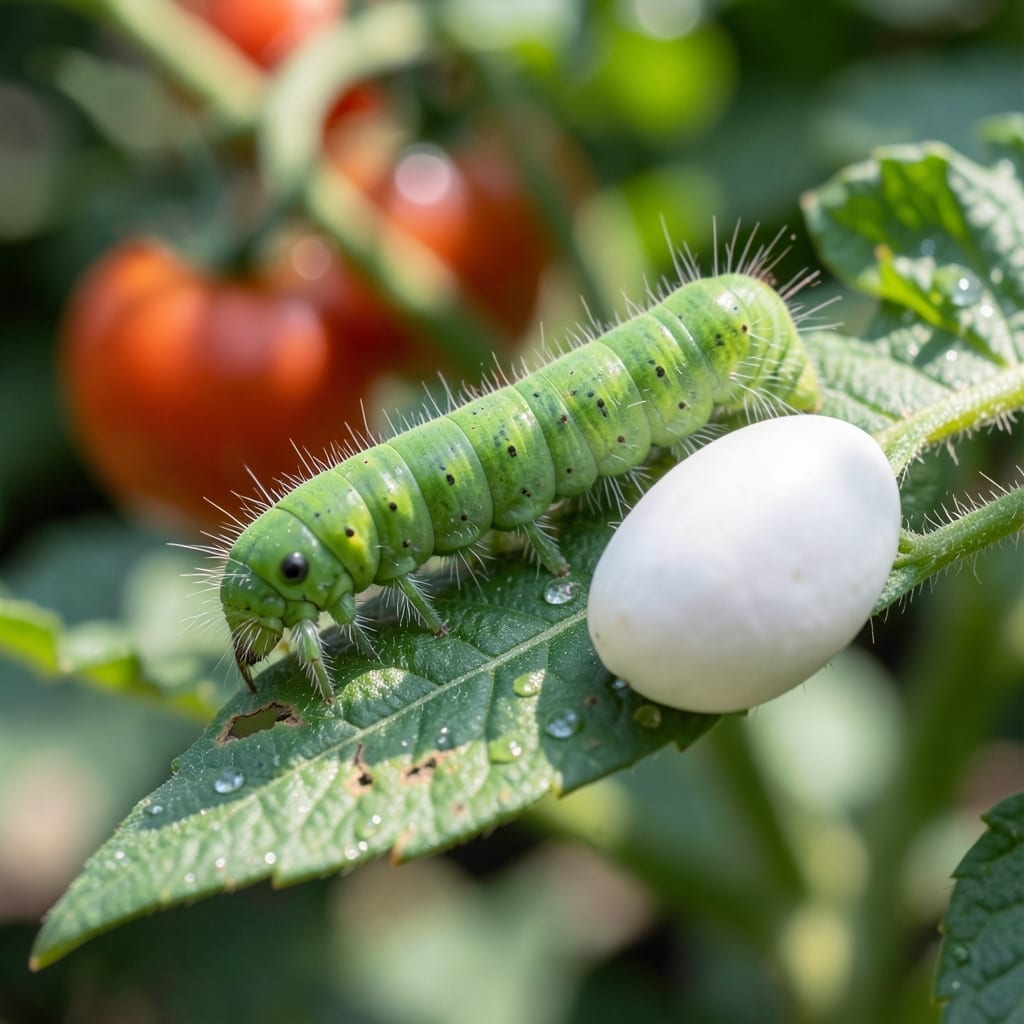
I first spotted them on my cabbage leaves—bright green caterpillars blending perfectly with the foliage. Then came the white cocoons, clinging like tiny cotton balls to stems. These pests multiply fast and can strip plants bare in days.
The lifecycle is quick: eggs hatch into hungry caterpillars, then they spin those telltale white cocoons. I’ve learned that early detection is key—check leaf undersides and stems weekly. Organic sprays work, but hand-picking is just as effective for small gardens.
They target brassicas, tomatoes, and even some flowers. Left unchecked, they’ll move from plant to plant, leaving skeletonized leaves in their wake. The damage isn’t just unsightly—it stresses plants and reduces yields.
This isn’t just about saving this year’s harvest. Stopping them now prevents next season’s infestation. Here’s how to take back your garden.
The transformation from a green caterpillar to a white cocoon is a natural part of the life cycle for many moth and butterfly species. However, when this happens in your garden, it often signals a pest infestation. Here’s why it occurs:
Many caterpillars, such as the cabbage white butterfly or tomato hornworm, pupate into white or off-white cocoons as part of their life cycle. This stage, called the pupal phase, is when the caterpillar undergoes metamorphosis into an adult insect. The white color helps it blend into its surroundings, such as tree bark or garden debris.
Caterpillars often form cocoons in response to seasonal changes or food scarcity. As temperatures drop or their host plant’s leaves deplete, they enter the pupal stage to survive harsh conditions. Gardens with dense foliage or untreated plant debris provide ideal hiding spots for this transition.
The cocoon acts as a protective barrier against predators and extreme weather. Species like the tussock moth caterpillar spin silky, white cocoons to shield themselves during this vulnerable phase. If you spot these in your garden, it’s a sign that caterpillars have already fed on your plants and are preparing for the next stage of their life cycle.
Dealing with green caterpillars and white cocoons in your garden can feel overwhelming, but these practical fixes will help you reclaim your plants. Below are targeted solutions for common causes, along with prevention tips to keep your garden thriving.
Caterpillars thrive in dense foliage where they can hide and feed undetected. Thin out overcrowded areas to improve airflow and reduce hiding spots. Space plants according to their mature size guidelines, and prune regularly to keep growth in check. Prevention tip: 💡 Rotate crops annually to disrupt pest life cycles and prevent reinfestation.
If your garden lacks ladybugs, lacewings, or parasitic wasps, caterpillars can multiply unchecked. Attract beneficial insects by planting nectar-rich flowers like marigolds, alyssum, or dill. You can also purchase Trichogramma wasps or ladybugs from garden centers to release into your space. Prevention tip: 🌡️ Avoid broad-spectrum pesticides, which kill helpful insects alongside pests.
For small infestations, handpicking caterpillars and cocoons is highly effective. Wear gloves and inspect leaves, stems, and soil daily, dropping pests into a bucket of soapy water to kill them. Focus on the undersides of leaves, where eggs and young caterpillars often hide. Prevention tip: ✨ Use row covers on vulnerable plants to block adult moths from laying eggs.
For larger outbreaks, spray affected plants with Bacillus thuringiensis (Bt), a natural bacteria that targets caterpillars without harming other insects. Apply in the early morning or late evening for best results, and reapply after rain. Prevention tip: 🎯 Monitor plants weekly for early signs of damage, like chewed leaves or silky threads, to catch issues before they spread.
Brassicas like cabbage and kale are prime targets. Tomatoes and peppers also attract them frequently.
Plant companion flowers like marigolds to deter adults. Rotate crops yearly to break their lifecycle.
Inspect plants weekly at dawn or dusk when caterpillars are most active. Focus on leaf undersides.
No, some beneficial moths also form white cocoons. Look for chewed leaves nearby to confirm pests.