
Beautiful Plants For Your Interior
Beautiful Plants For Your Interior
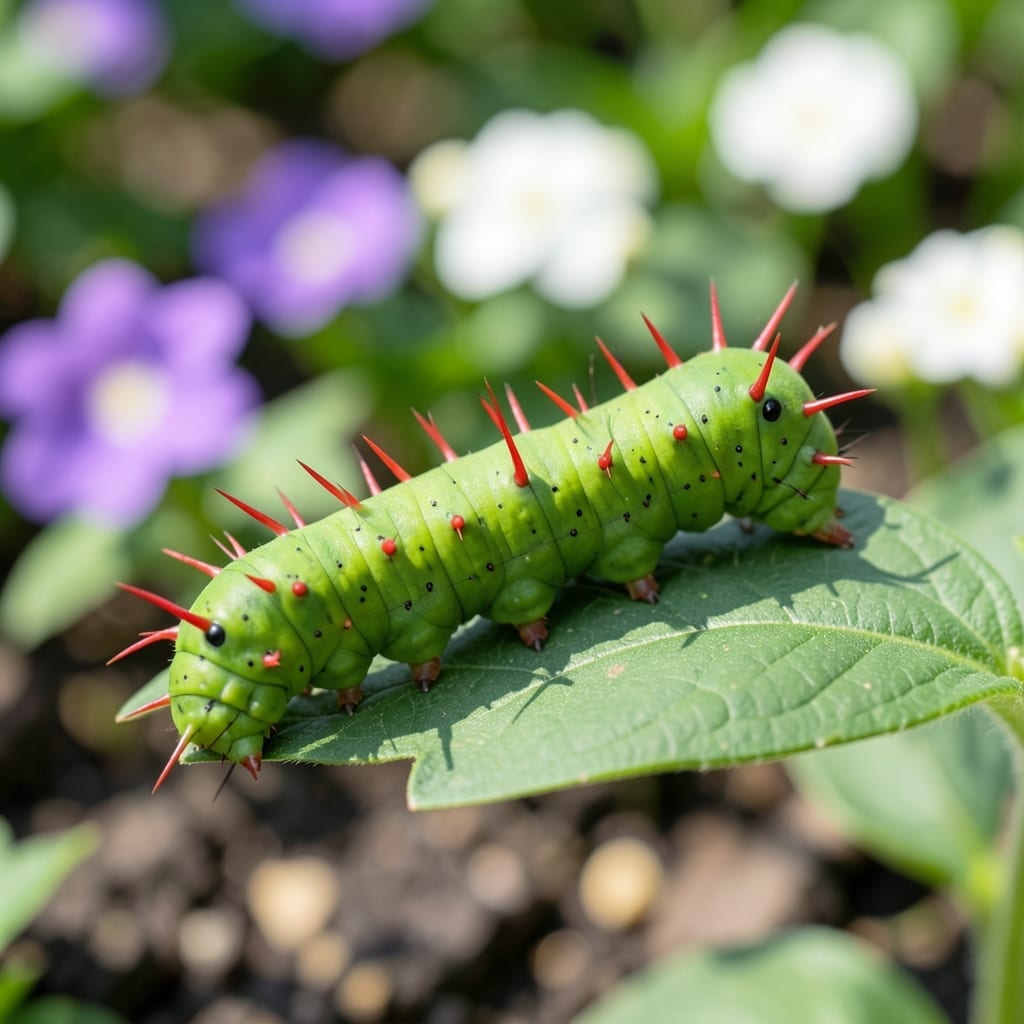
That red spike on your leaves means trouble. I’ve lost entire rose bushes to these green caterpillars before learning their telltale signs—chewed edges, silky threads, and those bright red spikes appearing overnight.
Here’s the thing—these pests multiply fast. One day you see a few holes, the next your plants look like lace. The good news? Early action with organic controls can stop them cold without harming beneficial insects.
I’ll be real with you: hand-picking works but isn’t fun. A targeted Bacillus thuringiensis spray does the job cleaner and faster, breaking their life cycle in 48 hours.
Your foliage will bounce back healthier than before, and you’ll sleep better knowing the garden’s protected. Prevention starts with vigilance—check undersides of leaves weekly.
The green caterpillar red spike phenomenon on foliage often stems from natural defense mechanisms or ecological interactions. Below are the primary causes, broken down for clarity.
One common reason for red spikes on green caterpillars is the presence of parasitoid wasp larvae. These wasps lay eggs inside caterpillars, and as the larvae develop, they can cause the host to form protective structures, like red spikes, as a reaction. This is a natural pest control method in gardens.
Some plants produce toxic compounds when under attack by caterpillars. In response, certain caterpillar species develop red spikes as a warning to predators, signaling that they may be unpalatable or harmful. This adaptation helps deter further predation.
Infections can also trigger unusual growths in caterpillars. Fungi like Cordyceps or bacteria may alter the caterpillar’s physiology, leading to red spikes. These infections often occur in humid environments, so improving airflow around plants can reduce the risk.
Understanding these causes helps in choosing the right organic control methods to maintain healthy foliage without harming beneficial insects.
Tackling the green caterpillar with red spike problem in your garden starts with quick, targeted action. Below are practical solutions mapped to specific causes, along with prevention tips to keep your foliage thriving. 🌿
If caterpillars are visible on leaves or stems, manually remove them early in the morning or late evening when they’re most active. Drop them into a bucket of soapy water to ensure they don’t return. Prevention tip: Inspect plants weekly to catch infestations early. 💡
Encourage beneficial insects like ladybugs, lacewings, or parasitic wasps, which feed on caterpillars and their eggs. Plant companion flowers (e.g., marigolds, daisies) to attract these allies. Prevention tip: Avoid broad-spectrum pesticides that harm helpful bugs. ✨
For larger outbreaks, spray affected plants with neem oil or Bacillus thuringiensis (Bt). Neem disrupts feeding, while Bt targets caterpillars without harming other wildlife. Apply in the evening for best results. Prevention tip: Rotate sprays to prevent resistance. 🎯
Healthy plants resist pests better. Improve soil quality with compost, ensure proper watering, and avoid over-fertilizing with nitrogen, which attracts caterpillars. Prevention tip: Prune damaged leaves promptly to remove hiding spots. 🌡️
Combine these methods for a robust defense. Consistency is key—stay vigilant to protect your garden naturally!
The spikes themselves don’t damage plants, but they signal caterpillar activity. These pests chew leaves, weakening plants over time if left unchecked.
They multiply rapidly—expect visible damage within 3-5 days of initial infestation. Early detection is crucial to prevent widespread harm.
Chemical pesticides work but may harm beneficial insects. For a balanced approach, try Bt or neem oil first—they’re effective yet eco-friendly.
Check plants early morning or late evening when caterpillars are most active. Focus on leaf undersides where they often hide.