
Beautiful Plants For Your Interior
Beautiful Plants For Your Interior
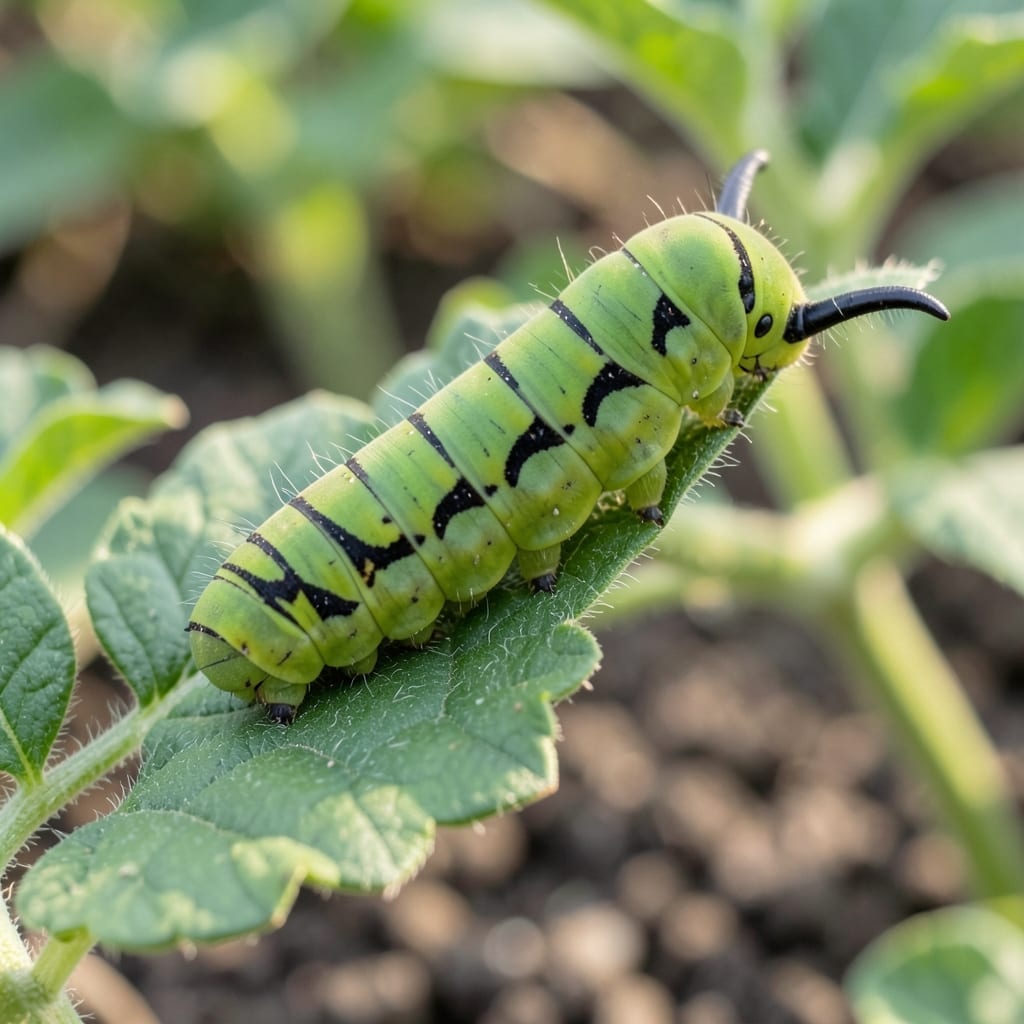
That green and black horned caterpillar in your garden isn’t just creepy—it’s hungry. I first spotted one munching through my tomato leaves last summer, and it moved shockingly fast for something so small.
These pests can strip a plant bare in 48 hours if left unchecked. They’re the larval stage of the tomato hornworm, and they blend in perfectly with foliage. Hand-picking works, but you need to know where to look.
What surprised me most was how much damage one caterpillar could do before I even noticed it. The key is catching them early, before they grow to 4 inches long and start devouring entire branches.
Natural predators like parasitic wasps help control them, but I’ve found that daily inspections are the most reliable method. Here’s how to spot and stop them before they ruin your harvest.
The appearance of green and black horned caterpillars in your garden is rarely random. These pests thrive under specific environmental and situational conditions. Below are the primary causes behind their infestation, explained scientifically for actionable solutions.
These caterpillars, often species like the Hornworm (Manduca sexta), target plants in the Solanaceae family, such as tomatoes, peppers, and eggplants. An overabundance of these host plants provides ample food, encouraging adult moths to lay eggs nearby. Prune excess foliage and rotate crops to disrupt their life cycle.
Parasitic wasps, birds, and ladybugs naturally control caterpillar populations. If your garden lacks biodiversity or uses broad-spectrum pesticides, these predators disappear. Plant native flowers and avoid chemical sprays to restore balance.
Caterpillars proliferate in temperatures between 75–85°F (24–29°C) with high humidity. Such conditions speed up their metamorphosis. Monitor weather forecasts and inspect plants more frequently during heatwaves.
Fallen leaves, plant debris, and untreated soil harbor eggs and larvae. Remove garden waste regularly and till the soil in late fall to expose and kill overwintering pupae.
If you’ve spotted a green and black horned caterpillar munching on your plants, act fast with these targeted fixes. Below are practical solutions mapped to common causes, plus prevention tips to keep them from returning.
Dense, untended foliage gives these caterpillars the perfect hiding spot. Put on gardening gloves and inspect leaves, stems, and undersides daily. Drop caterpillars into a bucket of soapy water or relocate them far from your garden. 💡 Pro tip: Do this in the early morning or late evening when caterpillars are less active.
Severely damaged plants? Prune affected leaves or entire stems and seal them in a trash bag to prevent reinfestation. Avoid composting infested material, as caterpillars may survive. For light infestations, a strong blast of water can dislodge them from plants.
For larger outbreaks, use neem oil or Bacillus thuringiensis (Bt)—a bacteria that targets caterpillars without harming beneficial insects. Mix according to package instructions and spray directly on leaves, especially undersides. Reapply after rain. ✨ Bonus: These sprays also deter future eggs from hatching.
Consistency is key—combine methods for the best results!
No, they’re not dangerous to people. They don’t bite or sting, but avoid handling them since some may carry bacteria. Always wear gloves when removing them from plants.
They can grow from egg to full size in 3-4 weeks. Warm weather speeds up their growth, so check plants daily during summer to catch them early.
No, they target other nightshades too, like peppers, eggplants, and potatoes. They’ll also feed on tobacco and some weeds if their preferred hosts aren’t available.