
Beautiful Plants For Your Interior
Beautiful Plants For Your Interior
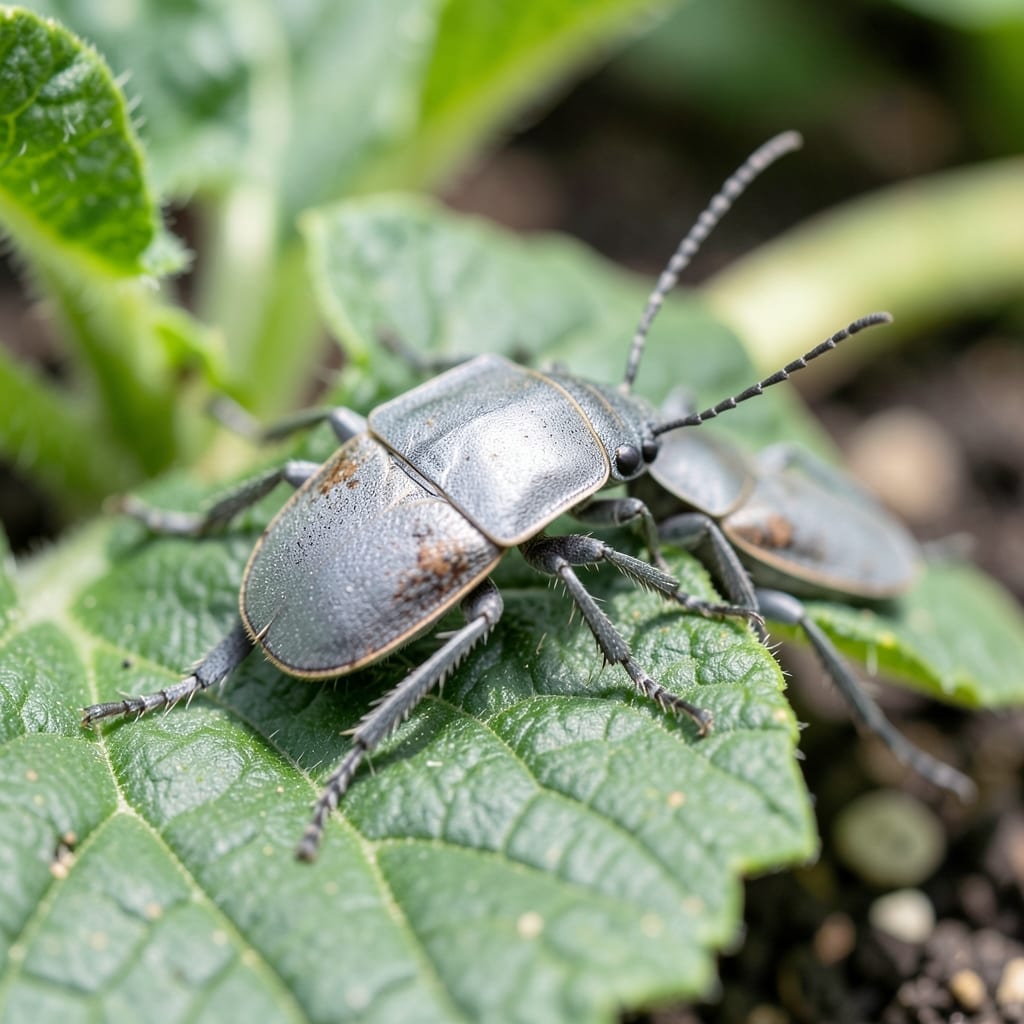
I lost half my zucchini crop to gray squash bugs last summer. These flat, shield-shaped pests cluster under leaves, sucking sap and leaving wilting vines in their wake.
They hit hardest in mid-summer when plants are most productive. One female lays up to 200 eggs in a season, so early action is everything. I now check leaf undersides daily once temps hit 80°F.
Hand-removal works for small infestations, but diatomaceous earth and neem oil provide better long-term control. The key is persistence—these bugs don’t give up easily.
Prevention starts with crop rotation and garden cleanup. Remove old vines immediately after harvest to break their life cycle. It’s made all the difference in my garden.
Gray squash bugs (or Anasa tristis) don’t appear by accident—they’re drawn to your garden for specific, often preventable reasons. Understanding these triggers helps you disrupt their lifecycle before they wreak havoc on your squash, cucumbers, and melons. Here’s the science behind their unwelcome visits.
These pests are highly specialized feeders, targeting cucurbit crops like zucchini, pumpkins, and cucumbers. When you plant large blocks of their favorite foods, you essentially roll out a welcome mat. Cucurbits release volatile organic compounds (VOCs) that gray squash bugs detect from afar, signaling a buffet. Solution: Interplant with non-host crops (e.g., beans or corn) to mask these chemical cues.
Gray squash bugs thrive in clutter. Adults overwinter in garden debris, leaf litter, or even under mulch, emerging in spring to lay eggs. Their nymphs, which are gray and spiny, also hide in dense foliage to avoid predators. Actionable fix: Clear old plant matter in fall and use drip irrigation (instead of overhead watering) to reduce damp, sheltered microhabitats they love.
High humidity and consistent moisture create ideal conditions for egg-laying and nymph survival. Females prefer to deposit eggs on the undersides of leaves where moisture lingers. Overwatered gardens or poor drainage exacerbate this. Pro tip: Water in the morning to allow foliage to dry by dusk, and ensure proper spacing between plants for airflow.
In balanced ecosystems, ground beetles, parasitic flies, and birds keep squash bug populations in check. However, pesticide use (even organic ones like neem oil) can kill these allies, leaving gray squash bugs unopposed. Remedy: Encourage biodiversity with companion plants (e.g., marigolds, nasturtiums) that attract predatory insects.
Tackling gray squash bugs requires a mix of immediate action and long-term prevention. Below are practical solutions mapped to common causes, along with tips to keep your garden thriving.
Inspect the undersides of leaves daily, especially in early summer when adults lay eggs. Crush any bronze or gray egg clusters you find, or drop them into soapy water. For nymphs, use a handheld vacuum to suck them off plants, then dispose of the bag in sealed trash. Prevention tip: Check plants in the morning when bugs are slower and easier to spot. 💡
Protect young plants with floating row covers until they start flowering. Secure the edges with soil or rocks to block adult bugs. For established plants, wrap sticky traps around stems to catch crawling pests. Prevention tip: Rotate crops yearly to disrupt the bugs’ life cycle and reduce reinfestation. 🎯
Spray a mix of neem oil and water (1 tbsp oil + 1 tsp dish soap per gallon) directly on bugs and eggs. Reapply every 5–7 days or after rain. For a stronger option, use kaolin clay to coat leaves, creating a barrier that deters feeding. Prevention tip: Avoid overwatering—damp soil attracts squash bugs. ✨
Attract beneficial insects like ladybugs, lacewings, and parasitic wasps by planting dill, fennel, or marigolds nearby. Chickens also love eating squash bugs—let them forage in the garden (supervised) to reduce populations naturally. Prevention tip: Keep the garden weeded to eliminate hiding spots. 🌡️
Look for tiny bronze or metallic gray clusters on leaf undersides. They’re usually in neat rows of 10-40 eggs and hatch in 7-10 days. Check daily in early summer when adults are most active.
No, they target all cucurbits, including cucumbers, melons, and pumpkins. They’re highly specialized but will move between these plants. Interplanting with non-host crops can help deter them.
Chemicals often fail because they hide well and develop resistance. Focus on physical removal and natural sprays like neem oil for better long-term control. Always prioritize organic methods first.