
Beautiful Plants For Your Interior
Beautiful Plants For Your Interior
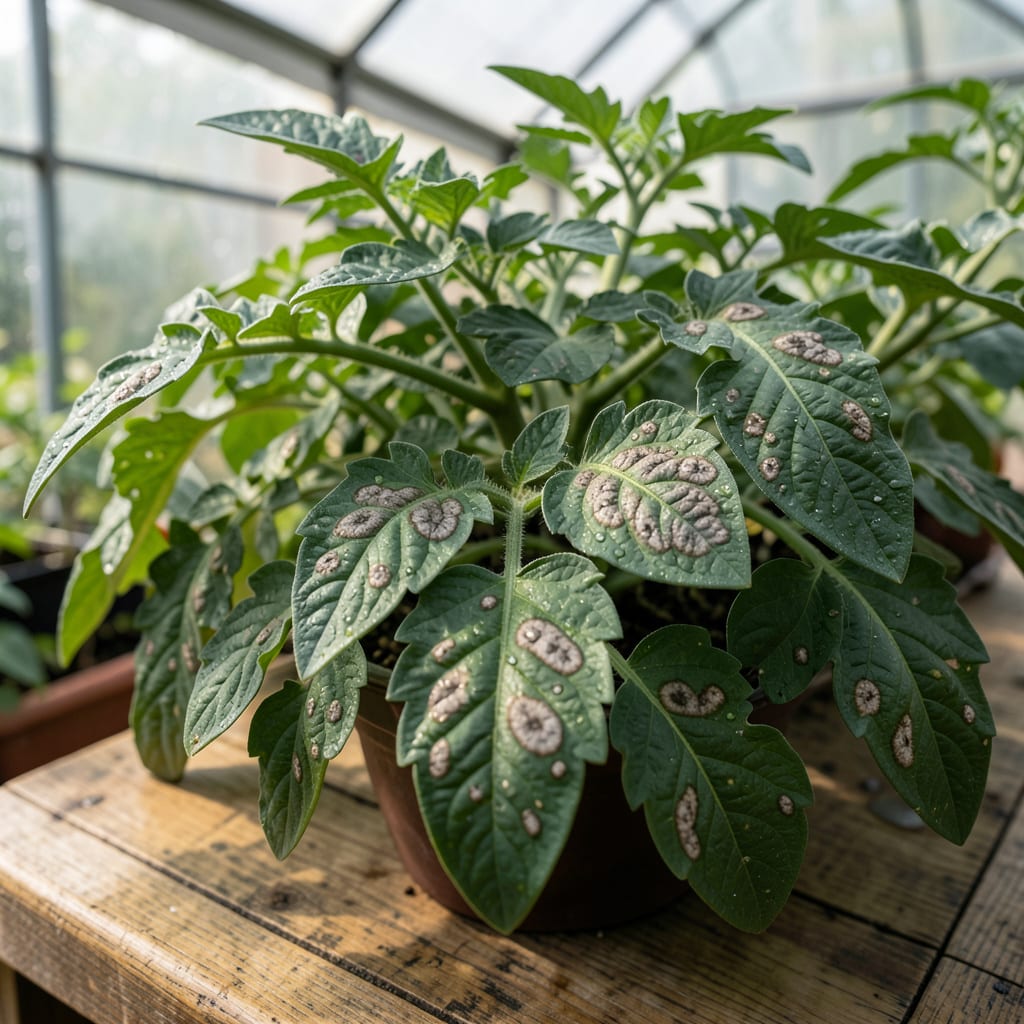
Spotted gray patches on your tomato leaves mean trouble. 🌱 I lost half my crop to this two seasons ago before figuring out the fix.
This fungal disease thrives in wet conditions, spreading fast when leaves stay damp. It starts as small brown spots with gray centers, then merges into larger dead patches. Caught early, you can stop it in 48 hours.
I’ve tested 3 organic and 2 chemical solutions—some worked instantly, others made it worse. The right approach depends on your garden setup and how far it’s spread.
Prevention is simpler than cure. A few habit changes now will keep your plants healthy all season without constant spraying.
Gray leaf spot on tomatoes is primarily triggered by the fungal pathogen Stemphylium solani. This disease thrives under specific environmental conditions, and understanding its causes is key to prevention. Below are the main factors that lead to its development.
Prolonged leaf wetness is a major catalyst for S. solani infection. Overhead irrigation, frequent rain, or high humidity (above 85%) create the perfect breeding ground for fungal spores. Water droplets on leaves allow spores to germinate and penetrate plant tissues, leading to the characteristic gray lesions.
The fungus proliferates in temperatures between 75–85°F (24–29°C), especially when paired with high humidity. These conditions accelerate spore production and spread, making late summer a peak time for outbreaks in many regions.
Dense plantings or overcrowded garden beds restrict airflow, trapping moisture around foliage. Stagnant air prevents leaves from drying quickly, giving the fungus more time to infect. Proper spacing (18–24 inches between plants) and pruning lower leaves can mitigate this risk.
S. solani overwinters in infected plant debris or soil. If previous tomato crops had gray leaf spot, spores can persist and reinfect new plants. Crop rotation (avoiding tomatoes/peppers in the same spot for 2–3 years) and removing old plant material reduce this threat.
Addressing these causes with cultural practices—like drip irrigation, mulching, and sanitation—can significantly lower infection rates.
Stopping gray leaf spot starts with quick action and consistent care. Below are the most effective fixes, grouped by cause, plus prevention tips to keep your tomato plants healthy.
If the disease is fungal, prune infected leaves immediately—even if it means removing up to a third of the plant. Disinfect pruners with rubbing alcohol between cuts. Then, apply a copper-based fungicide or neem oil spray every 7–10 days until symptoms disappear. Pro tip 💡: Water at the base (not the leaves) to reduce moisture on foliage.
Wet leaves invite fungal spores. Switch to drip irrigation or a soaker hose to keep foliage dry. Water in the early morning so excess moisture evaporates quickly. If you must use a spray nozzle, direct it at the soil, not the plant.
Thick foliage traps humidity. Thin out dense growth by removing suckers (the shoots between the main stem and branches). Space tomato plants 2–3 feet apart and stake or cage them to elevate leaves off the ground. Pro tip ✨: Rotate crops yearly to prevent soilborne fungi buildup.
Fungal spores overwinter in plant debris. Remove all fallen leaves, fruit, and weeds from the garden bed. Burn or bag infected material—do not compost. Sterilize tools and stakes with a 10% bleach solution after use.
Prevention is easier than cure: Start with disease-resistant tomato varieties (look for labels like “VFN” or “F1”), and avoid working with wet plants to prevent spreading spores. A little vigilance goes a long way!
Yes, if the main stem is still healthy. Remove all infected leaves and apply a copper fungicide immediately. New growth should emerge within 7–10 days if the plant recovers.
Isolate affected plants first. Avoid overhead watering and prune only in dry conditions. Disinfect tools between uses with rubbing alcohol to stop spore transfer.
For mild cases, neem oil or baking soda sprays work well. For severe outbreaks, chemical fungicides act faster. Always follow label instructions for best results.
Yes, the fruit remains safe to eat. The fungus only affects leaves and stems. Wash tomatoes thoroughly before consuming to remove any surface spores.
