
Beautiful Plants For Your Interior
Beautiful Plants For Your Interior
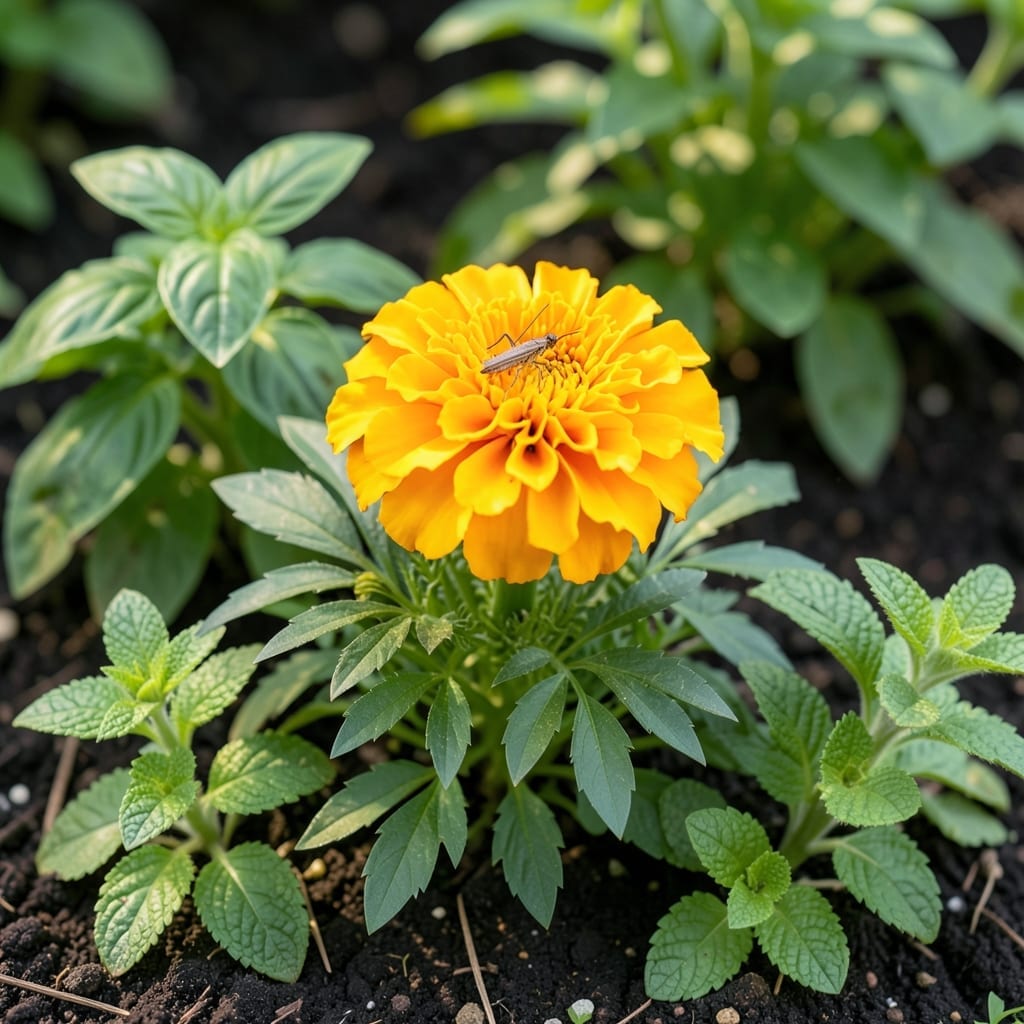
Grasshoppers can turn a thriving garden into a lunch buffet overnight. I learned the hard way that chemical sprays often do more harm than good to beneficial insects.
Turns out, certain plants act as natural deterrents, keeping these jumpy pests away without harsh methods. The secret lies in their strong scents or toxic compounds that grasshoppers simply can’t stand.
By strategically placing these plants around your garden, you create a protective barrier that works 24/7. The best part? They’re beautiful, low-maintenance, and often have other garden benefits.
No more watching your hard work disappear in a single afternoon. This approach keeps your garden safe and your conscience clear.
Grasshoppers target gardens for specific biological and environmental reasons. Understanding these triggers helps in selecting the right repellent plants to disrupt their behavior.
Grasshoppers are herbivores with a strong preference for tender, nitrogen-rich plants like grasses, leafy greens, and young shoots. Their chewing mouthparts are adapted to process fibrous plant tissue, making vegetable gardens and ornamental plants prime targets. Plants high in proteins and sugars, such as alfalfa or clover, act as magnets.
Warm, dry climates accelerate grasshopper metabolism and reproduction. Temperatures between 75–95°F and low humidity create perfect conditions for nymphs to mature quickly. Overwatered or poorly drained areas can also attract them, as damp soil supports egg-laying in late summer.
When ecosystems lack balance—such as in monoculture lawns or pesticide-heavy gardens—grasshopper populations surge. Natural predators like birds, spiders, and parasitoid wasps keep numbers in check. Without these, grasshoppers proliferate unchecked, increasing the need for repellent plant barriers.
Some plants emit volatile organic compounds (VOCs) that grasshoppers find irresistible. For example, freshly cut grass releases green leaf volatiles (GLVs) that signal a feeding opportunity. Conversely, repellent plants like garlic, mint, or marigolds emit strong scents (e.g., allicin or terpenoids) that mask these attractants.
Dealing with grasshoppers in your garden? These natural solutions can help you reclaim your space without harsh chemicals. Here’s how to tackle the issue based on common causes:
Grasshoppers thrive in dense, untamed areas. Plant natural deterrents like cilantro, basil, or garlic around vulnerable crops. Their strong scents disrupt grasshoppers’ feeding patterns. Prevention tip: 💡 Keep your garden edges clean and trim overgrown weeds regularly to reduce hiding spots.
Encourage birds, toads, and other predators by adding water sources or native shrubs. Install birdhouses or leave leaf litter for ground-dwelling allies. Prevention tip: 🎯 Avoid pesticides that harm grasshopper predators—let nature do the work!
Grasshoppers target single-crop areas. Mix in repellent plants like marigolds, mint, or lemongrass between rows. Diversity confuses pests and strengthens your garden’s defenses. Prevention tip: ✨ Rotate crops yearly to disrupt pest cycles.
Grasshoppers prefer dry, sunny spots. Apply organic mulch (straw or wood chips) to retain moisture and deter egg-laying. Prevention tip: 🌡️ Water deeply in the morning to keep soil less inviting.
With these adjustments, your garden can flourish—naturally! 🌼
Repellent plants emit strong scents or compounds that mask the attractive smells of your garden. Grasshoppers rely heavily on scent to find food, so pungent herbs like garlic or mint create confusion.
For limited space, try compact options like basil, cilantro, or dwarf marigolds. These can be planted in pots or along borders, creating an effective barrier without overwhelming your garden layout.
Most repellent plants are annuals or tender perennials, so you’ll need to replant each spring. Exceptions like rosemary or lavender can return yearly in warmer climates with proper care.
Many repellent plants like basil or cilantro are edible themselves. Just ensure they don’t overshadow your main crops, as some herbs can grow quite tall.