
Beautiful Plants For Your Interior
Beautiful Plants For Your Interior
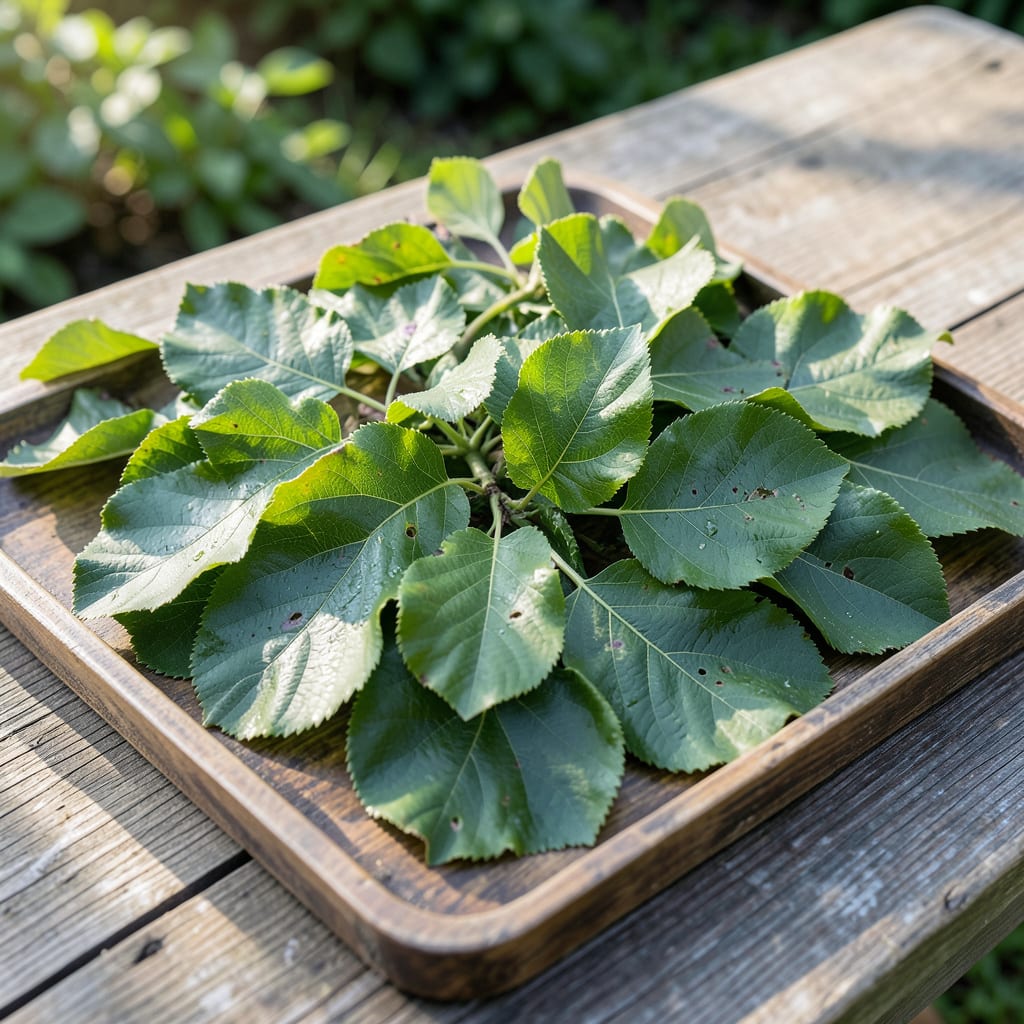
Spotted something off on your Granny Smith’s leaves? I’ve learned the hard way that early detection saves trees. Yellowing, spots, or curling edges aren’t just cosmetic—they’re distress signals.
Most issues trace back to just a few culprits: fungal diseases, pests, or nutrient shortfalls. The good news? With the right ID and a simple treatment plan, your tree can bounce back stronger. Here’s how to read the leaves like a pro.
📚 In This Guide
Identifying leaf problems early saves your tree and ensures a healthy harvest season after season.
Start by inspecting the upper and lower surfaces of leaves for discoloration. Yellowing between veins often signals iron deficiency, while purple or red spots can indicate phosphorus shortage. I’ve found that nutrient deficiencies typically appear on older leaves first, then progress to new growth.
Look for distinct patterns—mottled yellow and green areas suggest mosaic virus, while uniform yellowing with green veins points to iron chlorosis. Note whether the discoloration is localized or affects the entire canopy, as this helps narrow down the cause significantly.
Run your fingers gently over the leaf surfaces feeling for raised bumps, sunken areas, or sticky residue. Powdery mildew presents as white, powdery spots that rub off easily, while apple scab creates olive-green to black lesions with feathery edges. These are critical visual differences.
Inspect leaf undersides with a hand lens for tiny insects or webbing. Spider mites leave stippling damage that gives leaves a sandpaper texture. Catching these early prevents severe infestations that can defoliate your tree within weeks.
Note any changes in leaf texture—curling edges often indicate aphid damage or herbicide drift, while cupped leaves can be a sign of viral infection. I’ve seen cases where leaves become thick and brittle, which typically points to a boron deficiency.
Compare the size of affected leaves to healthy ones. Stunted growth or rosette formations at branch tips often indicate phytoplasma infections like apple proliferation. These symptoms are often accompanied by excessive branching and poor fruit development.
Consider recent weather patterns and cultural practices. Overhead watering during leaf wetness periods promotes fungal diseases like apple scab. Drought stress manifests as leaf scorch—brown, papery edges that curl upward. I always check soil moisture levels first when diagnosing leaf issues.
Evaluate your tree’s location and spacing. Poor air circulation increases humidity around leaves, creating ideal conditions for fungal pathogens. Crowded canopies often develop more leaf diseases than properly pruned trees with open centers.
For ambiguous cases, collect samples for professional analysis. Choose leaves showing early symptoms and place them in a sealed plastic bag with a damp paper towel. Most cooperative extension services require 10-15 affected leaves for accurate diagnosis of viral or bacterial issues.
While waiting for results, isolate the tree if you suspect a contagious disease. Remove and destroy severely affected leaves to prevent spread, but avoid excessive pruning during active infection periods as this can stimulate new, susceptible growth.
Diagnosing leaf issues accurately comes down to methodical observation and understanding these subtle but critical details.
The Visual Inspection: In Step 1, pay special attention to the pattern of discoloration. Yellowing between veins is a classic iron deficiency indicator, while uniform yellowing with green veins suggests iron chlorosis. I’ve found that nutrient deficiencies typically appear on older leaves first, so start your examination there before moving to new growth.
Tactile Diagnosis: Step 2 emphasizes feeling for physical changes, and this is where many miss the mark. Raised bumps often indicate insect activity, while sunken areas may signal bacterial infections. The sticky residue mentioned is honeydew from aphids or scale insects—wipe it with a white cloth to confirm its origin.
Environmental Clues: Step 4’s advice about overhead watering is crucial. Many overlook that fungal diseases like apple scab thrive in moist conditions. I always recommend watering at the base of the tree rather than from above, especially during periods of high humidity or frequent rain.
Sample Collection: When following Step 5, remember that cooperative extension services require 10-15 affected leaves for accurate diagnosis. Choose leaves showing early symptoms rather than severely damaged ones, as these provide the clearest indicators for laboratory analysis.
Yellow leaves often indicate overwatering, nutrient deficiencies, or poor drainage. Check soil moisture and ensure proper fertilization with nitrogen and iron.
Brown spots may signal fungal diseases like apple scab. Apply fungicides early in the season and remove infected leaves to prevent spread.
Prune in late winter or early spring before new growth starts. This promotes airflow, reduces disease risk, and encourages healthy foliage.
Yes! Neem oil is effective against aphids, mites, and powdery mildew. Mix with water and spray in the evening to avoid leaf burn.
Aphids, codling moths, and spider mites are common culprits. Monitor leaves regularly and use organic or chemical treatments as needed.
