
Beautiful Plants For Your Interior
Beautiful Plants For Your Interior
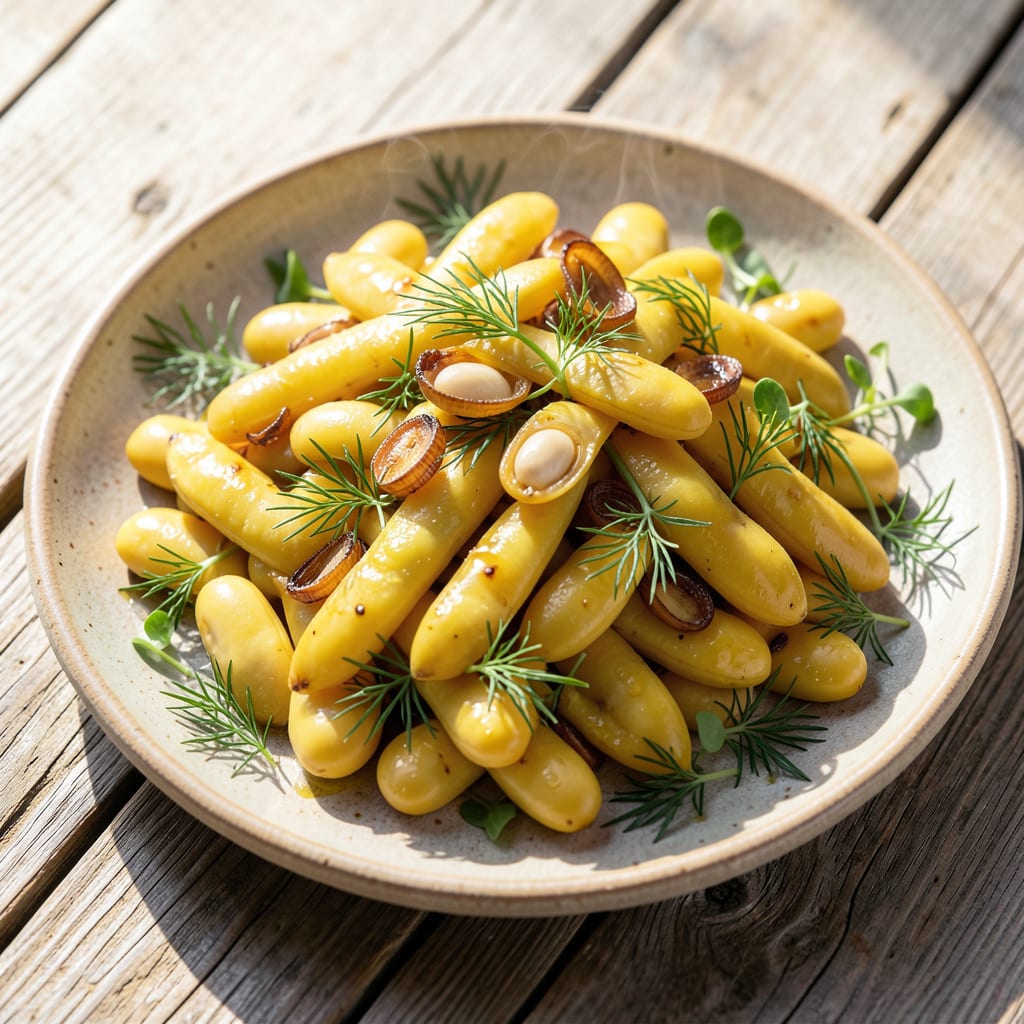
I finally nailed the sweet spot for picking these beans last summer. The pods turn bright yellow when they’re ready, but wait too long and they get tough. My first batch was stringy—now I check daily once they start coloring up.
They thrive in warm soil with full sun, and I get 3-4 harvests per plant. The trick is picking them young, about 4-6 inches long, for that perfect snap and flavor. No fancy tools needed, just your hands and a sharp eye.
📚 In This Guide
Here’s the method I rely on to get the sweetest, most tender pods every single time.
Start checking your plants 45-50 days after planting, when the first pods begin to form. Gold Rush beans develop quickly, so daily inspections are key once you see tiny bumps on the vines. The pods will grow from the size of a fingernail to harvest-ready in just a few days.
Look for pods that are 4-6 inches long and about the thickness of a pencil. At this stage, they’ll feel firm but not bulging—this is when the beans inside are just starting to develop but the pod itself is still sweet and tender.
The color should be a bright, uniform yellow without any green streaks. If you see the pods starting to turn a duller yellow or developing visible bean shapes through the skin, you’ve waited too long. These will be tough and starchy rather than crisp and sweet.
Gently squeeze a pod between your fingers. It should feel smooth and plump but not hard. If it snaps easily when bent, it’s at peak perfection. If it bends without breaking, give it another day or two.
Always use two hands to pick beans. Hold the vine steady with one hand to prevent damage to the plant, then use your other hand to gently pull the pod away from the stem. If the pod doesn’t come away easily, use clean scissors or pruners to snip it off.
Be careful not to tug too hard—this can uproot the plant or damage the delicate stems. I’ve found that harvesting in the morning when the plants are well-hydrated makes the pods easier to remove without harming the vines.
Pick beans every 2-3 days once they start producing. The more you harvest, the more the plant will produce. If you leave mature pods on the vine, the plant will stop flowering and focus on seed production instead of making new pods.
I make it a habit to do a quick sweep through the garden each evening during peak production. Even if a pod looks slightly underripe, it’s better to harvest it early than to risk it becoming overmature. These will still taste great and keep the plant productive.
After harvesting, store the beans in a cool, dry place. I like to keep mine in a paper bag in the refrigerator for up to 5-7 days. Avoid washing them until you’re ready to use them, as excess moisture can lead to spoilage.
For the best flavor, use them within a few days of picking. The natural sugars in the beans begin to convert to starch as soon as they’re harvested, so fresher really is better. If you have more than you can use, they freeze beautifully after a quick blanch.
These small adjustments will help you harvest the sweetest, most tender beans every time.
Timing Secret: Start checking your plants exactly 45-50 days after planting when the first pods begin to form. I learned the hard way that waiting even a day too long at this stage can mean the difference between crisp, sweet pods and tough, starchy ones. Daily inspections are your best insurance once those tiny bumps appear on the vines.
Visual Cue: In Step 2, look for that bright, uniform yellow color without any green streaks. If you see pods turning dull yellow or developing visible bean shapes through the skin, you’ve missed the perfect window. Between us, I’ve ruined a few harvests by waiting for “just one more day” of growth—don’t make my mistake.
Harvesting Technique: Always use two hands as described in Step 3 – hold the vine steady with one while gently pulling the pod with the other. If it doesn’t come away easily, reach for clean scissors or pruners. Harvesting in the morning when plants are well-hydrated makes this process much gentler on both you and the vines.
Production Tip: The 2-3 day harvest frequency in Step 4 isn’t just about getting fresh beans—it’s about encouraging the plant to keep producing. Leave mature pods on the vine, and the plant will stop flowering to focus on seed production instead of making new pods.
Pick pods when they’re 4-6 inches long, firm, and bright yellow—usually 50-60 days after planting. Harvest early in the morning for peak freshness and sweetness!
Keep soil consistently moist but not soggy. Water deeply 1-2 times per week, or more in hot, dry spells. Drip irrigation helps prevent disease.
Yes! Choose a container at least 12 inches deep with good drainage. Use a trellis for bush varieties to save space and improve airflow.
Overmature pods lose tenderness. Harvest young, and avoid letting them bulge with seeds. Consistent watering also prevents stringiness.
Try ‘Blue Lake’ or ‘Kentucky Wonder’ for similar flavor and texture. For a twist, ‘Dragon Tongue’ beans offer a unique look with great taste!
