
Beautiful Plants For Your Interior
Beautiful Plants For Your Interior
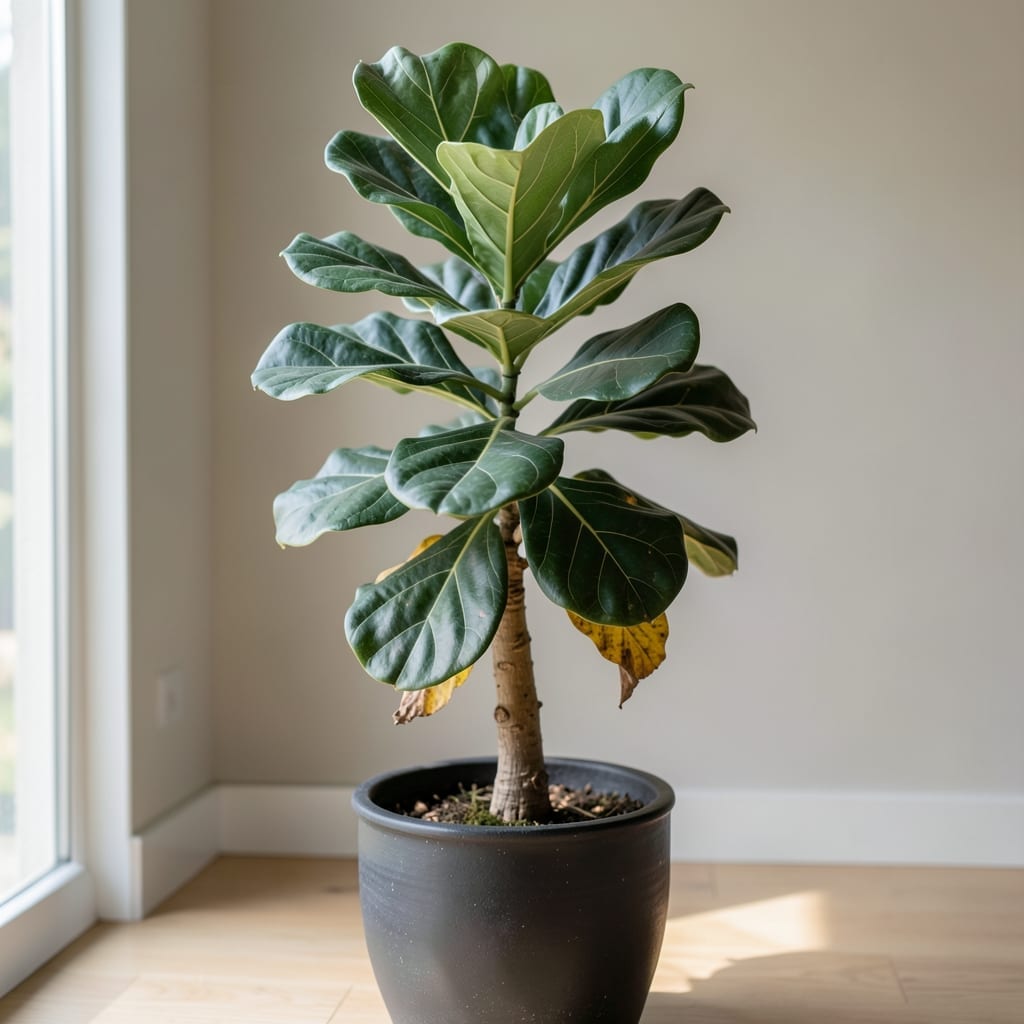
Watching your ginseng ficus drop leaves is stressful. I’ve been there—staring at bare branches wondering what went wrong. The good news? Most causes are simple to fix once you know what to look for.
Overwatering is the usual suspect, but low light and sudden temperature changes can also trigger leaf loss. Even pests like spider mites can sneak in unnoticed. The plant’s dramatic, but it’s rarely a death sentence.
With a few adjustments to watering, light, or humidity, you’ll often see new growth within 3-4 weeks. The key is acting fast before the stress takes a bigger toll.
Here’s how to diagnose the issue and nurse your ficus back to its lush self.
Your ginseng ficus may shed leaves due to several environmental or care-related stressors. Below are the most common causes, explained with actionable insights to help you diagnose the issue.
Ginseng ficus (Ficus microcarpa ‘Ginseng’) thrives in stable temperatures between 60–75°F (15–24°C). Sudden drops below 50°F (10°C) or exposure to cold drafts (e.g., near AC vents or windows) can trigger leaf drop. Heat stress from direct sunlight or radiators can also scorch foliage, leading to defoliation.
Root rot from overwatering suffocates roots, while underwatering causes dehydration. Both extremes disrupt nutrient uptake, prompting the plant to shed leaves to conserve energy. Check soil moisture 2 inches deep—water only when dry. Ensure pots have drainage holes to prevent soggy soil.
This plant prefers bright, indirect light. Too little light weakens the plant, while harsh direct sun (especially afternoon rays) can bleach or burn leaves. Gradually acclimate your ficus to new light conditions to avoid shock.
Native to tropical regions, ginseng ficus needs 40–60% humidity. Dry air (common indoors with heating/AC) causes leaf edges to brown and drop. Use a humidifier, pebble tray, or group plants together to raise humidity.
A lack of nitrogen, magnesium, or iron can cause yellowing (chlorosis) and leaf loss. Use a balanced, water-soluble fertilizer (e.g., 10-10-10) every 4–6 weeks during growing season, but avoid over-fertilizing, which can burn roots.
Spider mites, mealybugs, or scale sap the plant’s vitality, leading to leaf drop. Inspect undersides of leaves for webbing, white fluff, or sticky residue. Treat with neem oil or insecticidal soap, isolating the plant to prevent spread.
If your ginseng ficus is shedding leaves, don’t panic—most issues are fixable with a few adjustments. Below are targeted solutions for common causes, along with prevention tips to keep your plant thriving.
Fix: Let the top 1–2 inches of soil dry out before watering again. Repot the plant in a well-draining mix (add perlite or sand) and ensure the pot has drainage holes. Trim any black, mushy roots to prevent rot.
Prevention: Use a moisture meter or the finger test to check soil dryness. Water only when necessary, and avoid letting the plant sit in a saucer of water.
Fix: Move your ginseng ficus to a spot with bright, indirect light. If leaves are scorched (brown, crispy patches), it’s getting too much direct sun—filter the light with a sheer curtain.
Prevention: Rotate the plant occasionally for even light exposure, and avoid placing it near heat sources or cold drafts.
Fix: Keep the plant in a stable environment (65–75°F). Move it away from AC units, heaters, or drafty windows. If it’s been exposed to cold, check for drooping leaves and trim damaged foliage.
Prevention: Avoid sudden temperature changes. If moving plants outdoors in summer, acclimate them gradually.
Fix: Wipe leaves with a damp cloth to remove spider mites or mealybugs. For stubborn pests, use insecticidal soap or neem oil (follow label instructions). Isolate the plant to prevent spreading.
Prevention: Inspect new plants before bringing them home, and mist your ginseng ficus occasionally to deter pests.
Fix: Fertilize with a balanced, diluted houseplant fertilizer every 4–6 weeks during growing season (spring–fall). Yellowing leaves often signal a lack of nitrogen or iron.
Prevention: Refresh the soil annually and avoid over-fertilizing, which can cause salt buildup.
With these adjustments, your ginseng ficus should bounce back in no time! Consistency in care is key—observe your plant’s response and tweak as needed.
Water when the top 1-2 inches of soil feel dry. This usually means every 7-10 days, but adjust based on your home’s humidity and light levels. Overwatering is the most common cause of leaf loss.
Yes! These tropical plants need 40-60% humidity. Dry air from heating or AC can cause brown leaf edges and shedding. Use a humidifier or pebble tray to help.
Provide bright, indirect light. Too little light weakens the plant, while harsh direct sun can scorch leaves. An east-facing window is often ideal.
Inspect leaf undersides for webbing, white fluff, or sticky residue. Spider mites and mealybugs are common culprits. Treat with neem oil if found.