
Beautiful Plants For Your Interior
Beautiful Plants For Your Interior
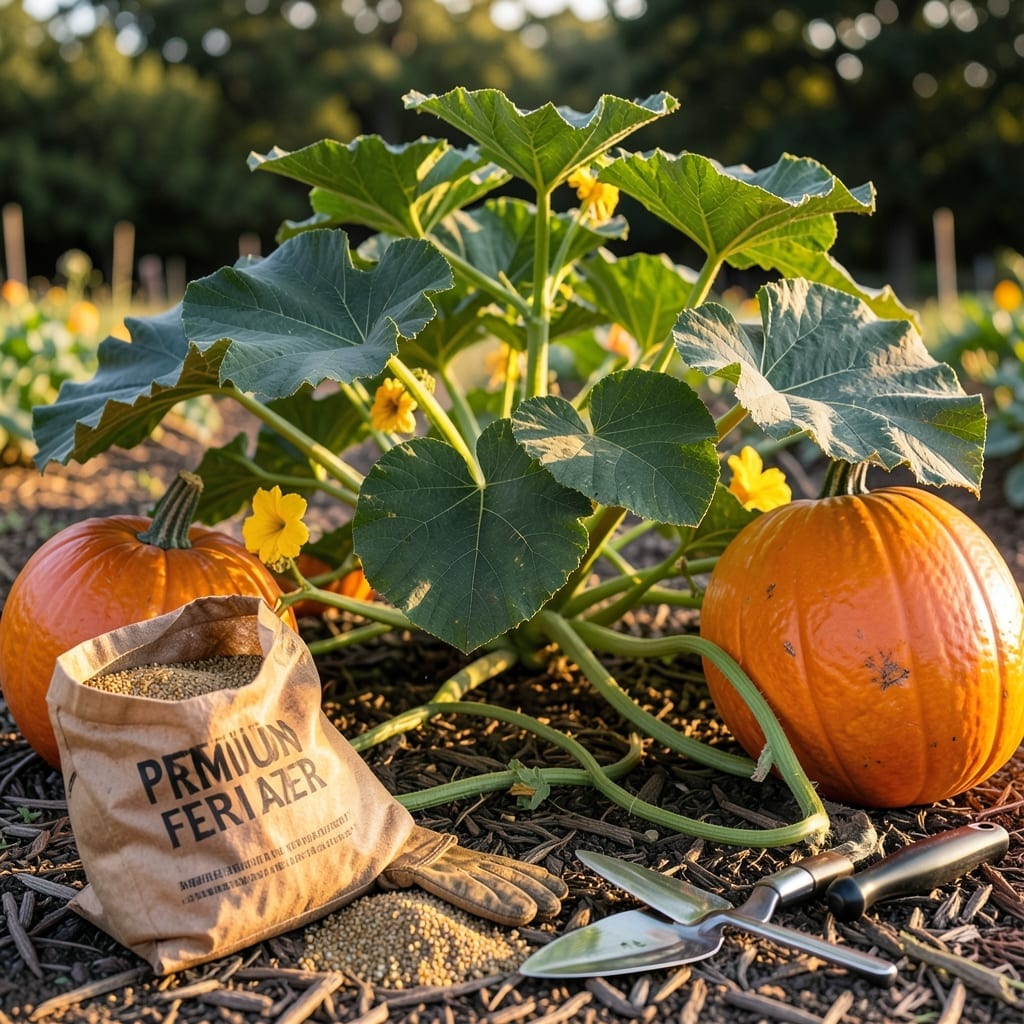
Growing a giant pumpkin that smashes records starts with one critical factor: the right fertilizer strategy. Without proper nutrition, even the best 🎃 seeds will underperform.
I’ve seen gardeners struggle with lackluster results simply because they missed this key step. The difference between a good harvest and a prize-winning one often comes down to how you feed your plants.
From seedling to harvest, every stage of growth demands a tailored approach. The right balance of nutrients at the right time can transform your patch from average to extraordinary.
Discover the exact methods that will help your Giant Pumpkin reach its full potential. Let’s dig into what it takes to grow a true giant.
If you’re serious about growing a record-breaking giant pumpkin, the fertilizer you choose can make or break your success. I’ve seen 10-10-10 balanced fertilizers work wonders, but the real magic happens with high-phosphorus formulas like 5-10-10 during fruiting stages. 🌱
Organic options like composted manure or fish emulsion build soil health long-term, while synthetic fertilizers give that quick nutrient boost your pumpkin craves. The key is understanding when to use each type for maximum impact. 🌿
| Type | NPK Ratio | Best For | Application Time |
|---|---|---|---|
| Balanced Synthetic | 10-10-10 | Early growth | Planting & every 2 weeks |
| High Phosphorus | 5-10-10 | Fruiting stage | When flowers appear |
| Organic Compost | Varies | Soil health | Pre-planting |
| Fish Emulsion | 4-1-1 | Leafy growth | Early season weekly |
I always recommend starting with a soil test before planting. This tells you exactly what your soil lacks, so you can choose a fertilizer that fills those gaps. Giant pumpkins are heavy feeders, often needing 1 lb of fertilizer per 100 sq ft at planting. ☀️
For the vegetative stage, I use a balanced fertilizer to promote strong vine growth. But once I see those first female flowers, I switch to a high-phosphorus formula to encourage fruit development. This timing is crucial for maximum size.
Don’t overlook micronutrients either. I’ve found that adding kelp meal or seaweed extract provides trace minerals that give pumpkins an extra edge. These are often missing from standard fertilizers but can boost growth significantly.
Remember that watering practices affect fertilizer performance. I always water deeply before and after applying fertilizer to prevent root burn and ensure nutrients reach the root zone. This is especially important during hot summer months.
If you’re using organic fertilizers, be patient. They release nutrients more slowly but improve soil structure over time. I like to combine both organic and synthetic approaches for the best of both worlds in my giant pumpkin patch.
Finally, watch your plants closely. If leaves turn dark green, you might be overdoing nitrogen. Yellowing leaves often indicate a nutrient deficiency. Adjust your fertilizer strategy based on what your pumpkin plants tell you. 🌿
With the right fertilizer approach, you’ll be amazed at how quickly your giant pumpkin can grow. I’ve seen vines stretch 2 inches per hour during peak growth periods with proper nutrition. That’s the kind of growth that wins competitions!
Timing your giant pumpkin fertilizer applications is just as important as choosing the right formula. I’ve found that a consistent schedule from seedling to harvest makes all the difference in achieving massive growth. Start feeding 2-3 weeks after planting when the first true leaves appear.
For the best results, I recommend a balanced fertilizer early on, then switch to a high-phosphorus formula as the vines spread. This encourages strong root development followed by explosive fruit growth.
I always apply fertilizer in the early morning so the plants can absorb nutrients before the heat of the day. This also prevents fertilizer burn on the leaves, which can happen if applied during peak sunlight.
Remember that over-fertilizing can be just as harmful as under-feeding. I’ve seen many growers make the mistake of doubling the recommended dose, thinking it will speed up growth. Instead, it often leads to leafy growth at the expense of fruit development.
Watering plays a crucial role in fertilizer effectiveness. I
By following this schedule and adjusting based on your plant’s response, you’ll give your giant pumpkin the best chance to reach its full potential. Consistent care and attention to detail are what separate good growers from great ones 🌱