
Beautiful Plants For Your Interior
Beautiful Plants For Your Interior
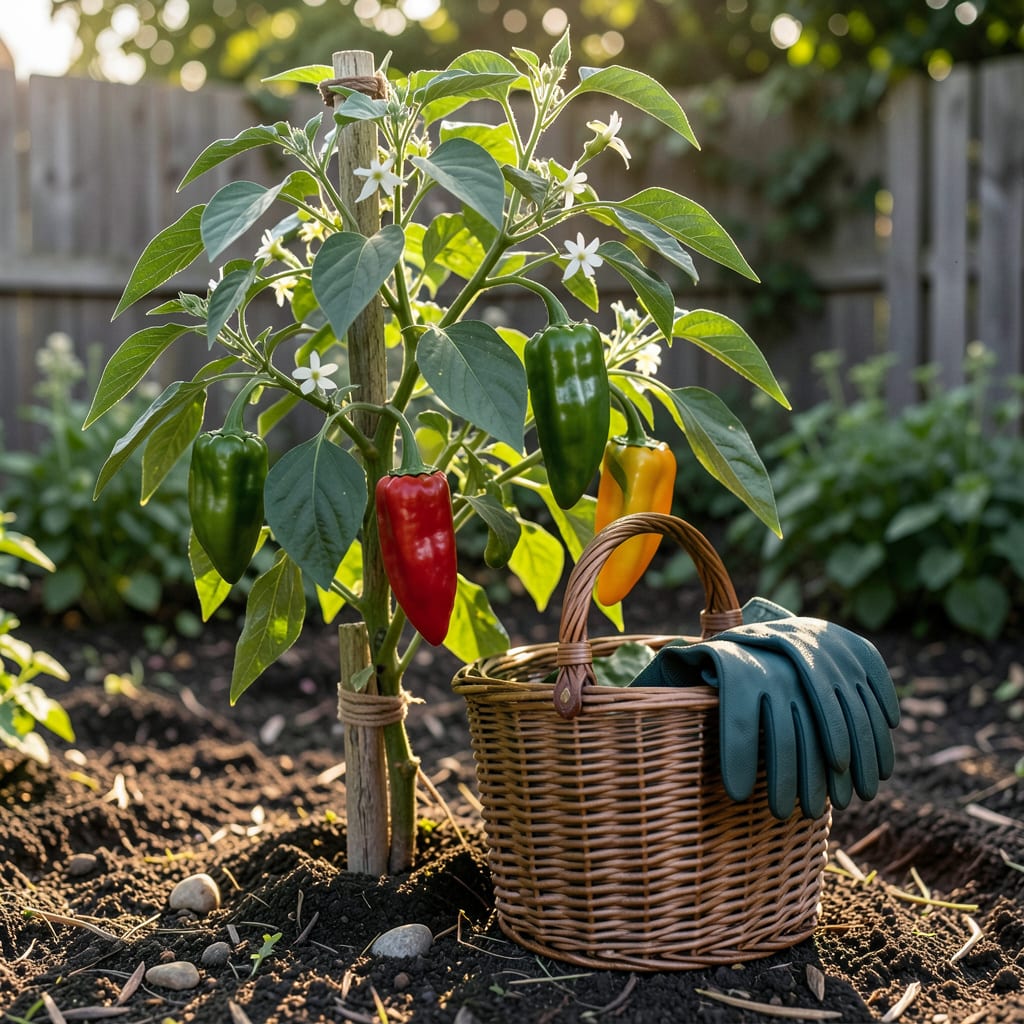
There’s nothing quite like the satisfaction of plucking a perfectly ripe Giant Marconi pepper from your garden—if you time it right. That sweet spot between underripe and overmature can mean the difference between a bitter bite and bursting flavor.
I’ve learned the hard way that these Italian beauties give subtle but clear signals when they’re ready. Whether you prefer them crisp and green or fully red and sweet, I’ll show you exactly what to look for. Let’s make this your most successful pepper harvest yet.


Giant Marconi peppers are ready to pick when they reach their full size—typically 6-8 inches long—but color is the real giveaway. For green peppers, wait until they’re uniformly bright green with a glossy sheen. If you prefer sweeter flavors, let them mature to yellow or red stages.
The stem connection tells you a lot too. A pepper that’s ready will detach with a gentle twist, while an unripe one clings stubbornly. Check the skin texture—it should feel firm but yield slightly to pressure, like a ripe avocado.
Watch the weather patterns—hotter climates speed up ripening, while cooler temps slow it down. If nights drop below 50°F, peppers may stop maturing. In this case, harvest green peppers and let them ripen indoors in a sunny windowsill.
For the best flavor, pick peppers in the morning when their sugar content is highest. Use clean pruners or scissors to snip the stem, leaving about ½ inch attached. Avoid pulling, which can damage the plant and reduce future yields.
If you’re unsure, do the snap test: gently bend the pepper. A ripe one will snap cleanly, while an unripe pepper bends without breaking. Overripe peppers feel mushy and may develop wrinkles—harvest these immediately to prevent spoilage.
Green Marconi peppers have a milder, grassier taste, perfect for stuffing or fresh eating. Fully red peppers are sweeter, almost fruity, and ideal for roasting or grilling. For a balance, harvest some at each stage throughout the season.
After picking, store peppers in a paper bag in the fridge for up to 10 days. For longer storage, freeze them whole or sliced. Avoid washing until ready to use—excess moisture speeds up spoilage.
Remember, Giant Marconi peppers continue ripening after picking. If you harvest green peppers and want them red, place them in a brown paper bag with a banana or apple. The ethylene gas will accelerate color change within 3-5 days.
Finally, keep an eye on your plant’s overall health. If leaves start yellowing or production slows, it’s a sign to harvest remaining peppers—even if they’re not fully ripe—and give the plant a nutrient boost for a potential second flush.
Choosing between green or red Giant Marconi peppers isn’t just about color—it’s about flavor, texture, and timing. I’ve found that green peppers offer a crisp, slightly tangy bite, while fully red peppers deliver a sweeter, fruitier taste that’s almost candy-like.
The harvest window makes all the difference. Green peppers are typically ready in 60-70 days, while red ones need 80-90 days. This extra time allows sugars to develop fully, transforming the flavor profile completely. If you’re impatient, you can pick green and let them ripen indoors.
I recommend staggered harvesting to enjoy both flavors. Start picking green peppers when they reach full size, then leave a few on the plant to mature. This approach extends your harvest season and gives you versatile flavor options for different dishes.
Remember that temperature affects ripening. In cooler climates, peppers may stay green longer. If frost threatens, harvest all peppers—even green ones—and ripen them indoors. Place them in a paper bag with an apple or banana to speed up the process.
The morning harvest rule applies to both colors. Peppers picked early in the day have higher sugar content and better texture. Use clean pruners and leave a short stem to prevent rot. Avoid washing until ready to use, as moisture accelerates spoilage.
For maximum yield, keep harvesting regularly. The more you pick, the more peppers your plant will produce. I’ve seen plants continue producing until the first frost when properly maintained.
If you’re growing for seed saving, always let peppers ripen fully to red. The seeds from red peppers have higher viability. Just scoop them out, dry them on paper towels, and store in a cool, dark place for next season’s planting.
🌿Even experienced gardeners sometimes sabotage their Giant Marconi pepper harvest without realizing it. The most common mistake I see is picking too early, which leaves you with bitter, underdeveloped peppers that lack sweetness. Wait until peppers reach at least 6 inches long and develop their full color.
Another critical error is waiting too long to harvest. Overripe peppers become soft, wrinkled, and prone to rot. They also signal the plant to stop producing new fruit. Check your plants every 2-3 days during peak season to catch peppers at their prime.
💡 Quick Fix: If you’ve picked underripe peppers, place them in a paper bag with an apple to ripen faster.
Many gardeners also overlook the stem connection. A pepper ready for harvest will separate with a gentle twist, while unripe ones resist. Forcing the issue can tear the plant. When in doubt, use the snap test: bend the pepper slightly—if it snaps cleanly, it’s ready.
Weather plays a bigger role than most realize. During heat waves, peppers may ripen too quickly and develop sunscald. In cool spells, they stall completely. Use shade cloth for hot periods and consider row covers if nights dip below 50°F to maintain steady growth.
Finally, don’t neglect post-harvest care. Washing peppers immediately removes their natural protective coating, leading to faster spoilage. Store unwashed peppers in the crisper drawer in a paper bag (not plastic) for up to 2 weeks. For longer storage, freeze whole peppers after removing stems.
Remember that regular harvesting encourages more production. I’ve found that plants harvested every 3-4 days yield up to 50% more peppers than those picked sporadically. Make it part of your morning garden routine for the best results.
🌶️Giant Marconi peppers typically reach harvest size in 60-70 days for green peppers. For fully ripened red peppers, expect 80-90 days from transplanting. Climate plays a big role—hotter weather speeds up ripening, while cooler temps may extend the timeline.
Place green peppers in a paper bag with an apple or banana. The ethylene gas will help them ripen within 3-5 days. Store at room temperature, away from direct sunlight. This works best for peppers that have already reached full size.
Morning is ideal, preferably before 10 AM. Peppers harvested early have higher sugar content and better texture. Avoid afternoon picking when plants are stressed from heat. Use clean pruners and leave a ½-inch stem for best results.
Overripe peppers become soft, wrinkled, and may develop dark spots. They’ll detach too easily from the plant. If you notice these signs, harvest immediately—even if not fully colored. Overripe peppers also signal the plant to stop producing new fruit.
Regular harvesting actually encourages more production. Plants harvested every 3-4 days can yield up to 50% more peppers than those picked sporadically. Just be gentle with the stems to avoid damaging the plant.
