
Beautiful Plants For Your Interior
Beautiful Plants For Your Interior
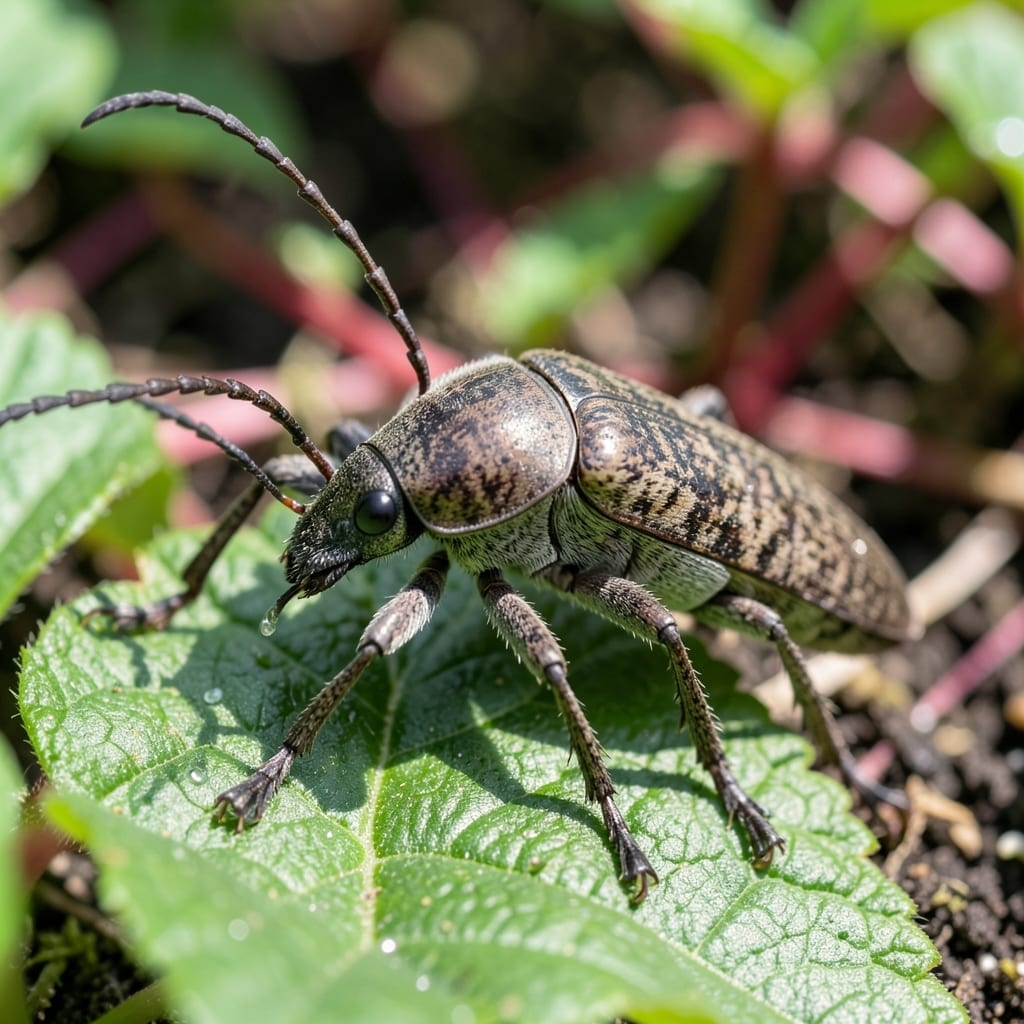
I first spotted the giant long horned beetle chewing through my oak saplings last summer. These pests don’t mess around—they can strip bark and sever stems overnight, leaving young trees vulnerable to disease and death.
Their long antennae and impressive size make them hard to miss, but many gardeners confuse them with harmless lookalikes. I learned the hard way that early identification is key to protecting your landscape investments.
You’ll want to act fast when you see them. Hand-picking works for small infestations, while larger problems may require targeted treatments. The goal is stopping them before they lay eggs in your wood.
With the right approach, you can save your trees and shrubs from these destructive invaders. Here’s how to spot them and fight back effectively.
The presence of giant long-horned beetles in gardens and forests often stems from specific environmental and biological factors. Understanding these causes can help you prevent their spread and protect your plants.
These beetles thrive in decaying or stressed wood, as their larvae feed on decomposing plant material. Trees weakened by drought, disease, or physical damage are prime targets. Softwoods like pine and hardwoods like oak are especially vulnerable when their natural defenses are compromised.
Giant long-horned beetles prefer temperate to tropical climates, where warmth and moisture accelerate their life cycle. Regions with mild winters and consistent humidity see higher infestation rates, as these conditions support egg survival and larval development.
Unintentional transport of infested wood (e.g., firewood, lumber, or packaging) spreads beetles to new areas. Additionally, poor garden maintenance, such as leaving dead branches or stumps untreated, creates breeding grounds for these pests.
In ecosystems where natural predators (e.g., certain birds or parasitic wasps) are absent, beetle populations can grow unchecked. Monoculture plantings or overuse of pesticides may disrupt these balancing forces, leading to outbreaks.
Dealing with these wood-boring pests requires a mix of removal, prevention, and vigilance. Here’s how to tackle each issue effectively:
If you spot exit holes or sawdust-like frass near wooden structures, the larvae may already be inside. Cut out and burn heavily infested wood to eliminate hidden grubs. For smaller items, solarize them by sealing in a black plastic bag and leaving in the sun for a few days—the heat will kill the larvae.
Encourage natural enemies like woodpeckers or parasitic wasps by setting up birdhouses or planting nectar-rich flowers. These predators feed on beetle larvae, reducing their numbers organically. For a quicker fix, introduce nematodes (microscopic worms) to infected soil—they’ll hunt down and kill grubs before they mature.
For severe infestations, apply a borate-based wood preservative or insecticidal spray labeled for wood-boring beetles. Treat wood surfaces in early spring or late summer when adults are active. Always follow label instructions and wear protective gear.
Consistency is key—combine these methods for long-term protection!
Look for their long antennae—often longer than their bodies—and distinct color patterns. True pests have a more robust, cylindrical shape. When in doubt, check for damage signs like exit holes or frass.
Early spring or late summer is ideal, as adults are most active then. Treat wood surfaces during these periods for maximum effectiveness against both adults and larvae.
No, they don’t bite or sting and aren’t toxic. The real danger is to your trees and wooden structures. Focus on protecting your landscape rather than personal safety concerns.