
Beautiful Plants For Your Interior
Beautiful Plants For Your Interior
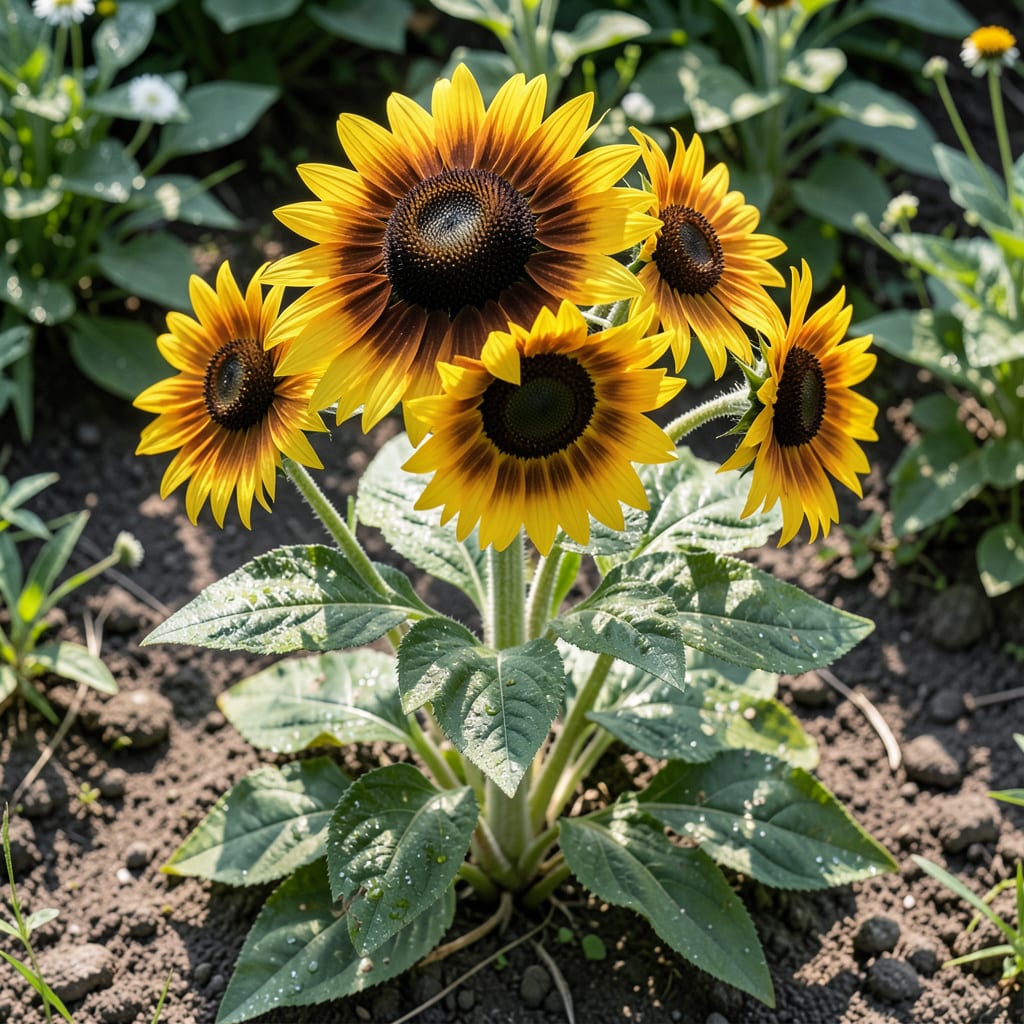
These cheerful giants stole my garden’s spotlight last summer. Their golden-yellow blooms tower 3-4 feet tall, drawing pollinators nonstop.
Straightforward to grow, they thrive in full sun and average soil. Once established, they’re drought-tolerant and bloom from midsummer through fall with minimal care. Perfect for borders or wildflower patches.
📚 In This Guide
Here’s the method I rely on to get these pollinator magnets thriving in any garden.
Select a spot with full sun exposure—these plants demand at least 6-8 hours of direct sunlight daily to produce their signature bold blooms. Giant black eyed susans tolerate partial shade but will grow leggy and produce fewer flowers.
Test your soil drainage by digging a 12-inch deep hole and filling it with water. If it drains within 1-2 hours, you’re good to go. These plants despise wet feet, and poor drainage leads to root rot that will kill them before they establish.
Loosen the soil to a depth of 12-15 inches using a garden fork or tiller. This breaks up compaction and allows the deep taproot to establish properly. Mix in 2-3 inches of compost to improve fertility without making the soil too rich—too much organic matter reduces flowering.
Remove all weeds and grass from the area. Giant black eyed susans spread aggressively once established, but they need a clean start to outcompete existing vegetation. A 2-foot diameter cleared space per plant prevents early competition.
Dig planting holes exactly as deep as the root ball but twice as wide. This gives the roots room to spread outward, which is critical for the first year’s establishment. Place the plant in the hole, ensuring the crown sits level with the surrounding soil.
Space plants 18-24 inches apart. This seems generous, but they’ll fill in quickly. Closer spacing reduces air circulation, which invites powdery mildew during humid summers. Water each plant thoroughly after planting to settle the soil around the roots.
Water deeply once weekly for the first month, providing about 1 inch of water per session. After establishment, these plants are drought-tolerant, but consistent moisture during the first growing season develops the deep root system they’re known for.
Check soil moisture by inserting your finger 2-3 inches deep into the soil. Water only when it feels completely dry at that depth. Overwatering is the most common mistake I see—these plants thrive on neglect once established.
Deadhead spent blooms regularly by pinching off the faded flowers at their base. This encourages continuous blooming throughout summer and prevents aggressive self-seeding. Wear gloves—the stems can be rough on bare hands.
Cut back the entire plant to 6 inches above ground level in late fall after the foliage dies back. This removes potential overwintering sites for pests and diseases while allowing new growth to emerge cleanly in spring.
Here’s what I’ve learned from years of growing these pollinator favorites.
Sunlight Priority: The 6-8 hours of direct sunlight mentioned in Step 1 isn’t just a suggestion—it’s a requirement for those bold, golden blooms. Anything less, and you’ll end up with sparse, leggy plants. I’ve tested this in partial shade, and the difference in flower production is dramatic.
Drainage Test: That 12-inch drainage test in Step 1 is your best insurance against root rot. If water lingers beyond 2 hours, consider amending the soil with sand or choosing a raised bed. These plants truly despise wet feet.
Spacing Strategy: The 18-24 inch spacing in Step 3 might seem excessive at first, but trust the process. I planted a test row at 12 inches apart one year, and by mid-summer, powdery mildew had taken over due to poor air circulation. Give them room to breathe.
Watering Wisdom: The once-weekly, 1-inch watering routine in Step 4 works perfectly for establishment, but here’s the thing—resist the urge to water more frequently. Overwatering is the fastest way to kill these plants after planting. Let that top 2-3 inches of soil dry out completely between waterings.
These vibrant perennials typically reach 3–4 feet tall, with some varieties stretching up to 6 feet under ideal conditions. Perfect for adding height to borders or pollinator gardens!
Plant in early spring or fall for the best results. This gives roots time to establish before summer heat or winter cold sets in.
Yes! Their bold, golden blooms are a magnet for bees, butterflies, and other pollinators, making them a great choice for eco-friendly gardens.
Stake taller varieties or plant them in groups to support each other. Regular pruning and well-draining soil also help maintain sturdy stems.
Consider sunflowers or coneflowers for a comparable look. Both offer striking blooms and pollinator benefits, though they may vary in height or care needs.
