
Beautiful Plants For Your Interior
Beautiful Plants For Your Interior
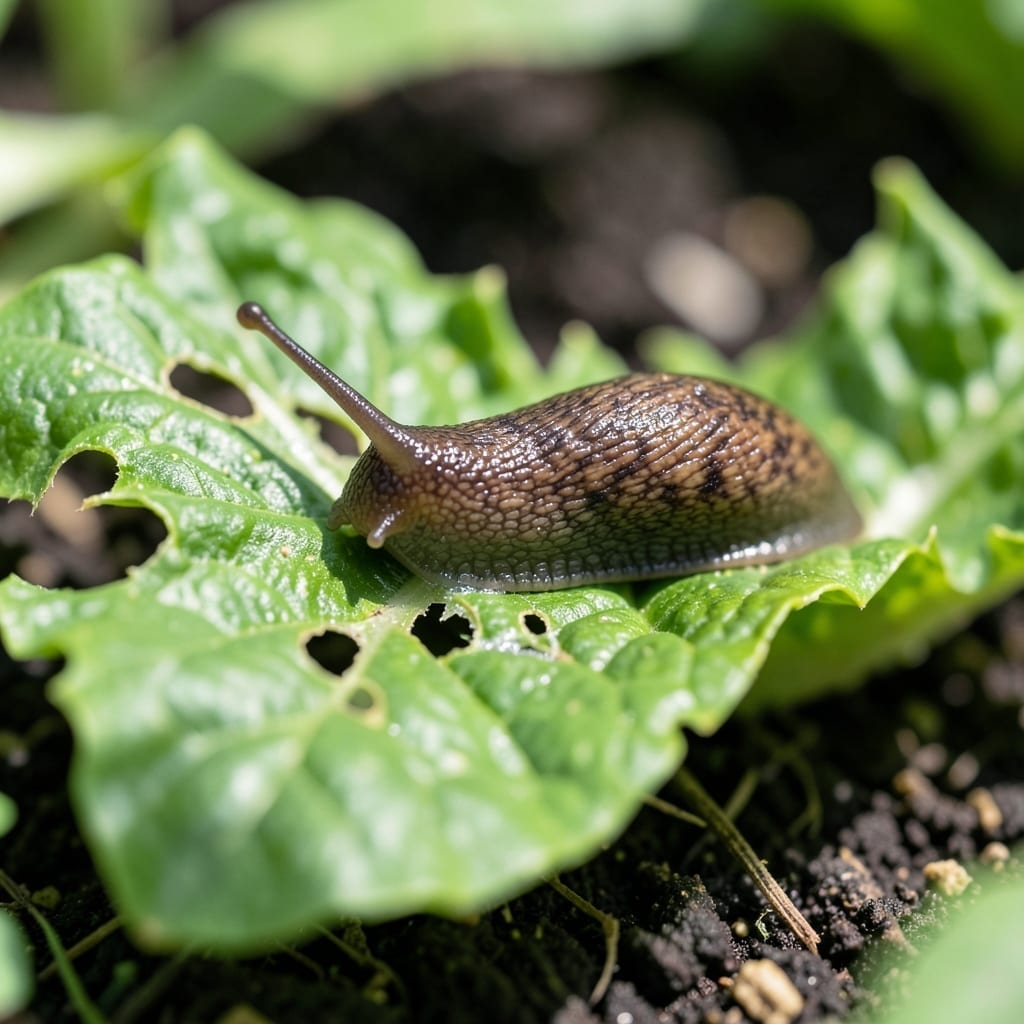
Woke up to shredded hostas again last week. Slugs turn your garden into their personal buffet overnight, leaving behind silvery trails and ragged leaves.
Here’s the thing—chemicals work but they’re not my first choice. I’ve found overnight traps that catch these pests while they’re most active, using simple household items.
You’ll see immediate results with beer traps or grapefruit halves. The next morning, you’ll find them gathered and ready for removal.
Best part? These methods are safe for plants, pets, and the rest of your garden ecosystem. Works in any climate, any garden size.
Slugs thrive in gardens for several scientific and environmental reasons. Understanding these causes helps you target the root of the problem for more effective control.
Slugs are hermaphroditic mollusks that require high humidity to survive. Overwatered soil, poor drainage, or frequent rain creates ideal conditions for them to reproduce. They lay up to 500 eggs per year in damp, shaded areas, leading to rapid population growth.
Dense plant foliage and garden debris provide shelter from predators and sunlight. Slugs are nocturnal and avoid dry, exposed areas during the day. Tall grass, mulch piles, and untrimmed plants offer hiding spots, encouraging them to stay and feed.
Slugs are detritivores and herbivores, feeding on decaying organic matter, tender leaves, and fruits. Gardens with rotting plant material, compost heaps, or vulnerable crops (like lettuce and strawberries) attract them. Removing these food sources disrupts their survival.
In balanced ecosystems, beetles, birds, frogs, and toads keep slug populations in check. Urban gardens or those with pesticide use often lack these predators, allowing slugs to multiply unchecked. Encouraging biodiversity restores natural control.
Dealing with slugs doesn’t have to be a losing battle. Here’s how to tackle the problem head-on with simple, effective fixes for every scenario.
Slugs thrive in damp conditions. Water your garden in the morning so the soil has time to dry during the day. Use drip irrigation to target plant roots directly, avoiding excess moisture on the surface. Prevention tip: 💡 Improve drainage by mixing compost into heavy clay soils.
Slugs love clutter. Remove debris, boards, and dense mulch where they hide during the day. Keep your garden tidy, and trim low-hanging leaves that create shaded, damp areas. Prevention tip: 🎯 Raise vulnerable plants in containers or on benches to keep them out of reach.
Young plants are a slug’s favorite snack. Surround seedlings with crushed eggshells, copper tape, or diatomaceous earth—these create sharp or uncomfortable barriers slugs avoid. Prevention tip: ✨ Use cloches or row covers to physically block slugs from reaching your plants.
Wet weather means more slugs. Set up overnight traps like shallow dishes filled with beer (they’re attracted to the yeast) or a mix of yeast, sugar, and water. Place traps near problem areas and empty them daily. Prevention tip: 🌡️ Check traps after rain, as slugs are most active then.
For immediate results, go on a slug hunt after dark with a flashlight and gloves. Drop collected slugs into soap water. Prevention tip: 🔥 Do this regularly to keep their numbers down before they lay eggs.
Set up beer traps in the evening. Slugs are drawn to yeast and will drown overnight. Empty traps each morning for best results.
Yes, with consistency. Barriers like copper tape or crushed eggshells work well. Combine with handpicking at night for immediate control.
Reduce moisture by watering in the morning. Clear debris and trim vegetation to remove hiding spots.
Avoid salt—it harms soil and plants. Instead, use diatomaceous earth or iron phosphate baits for safer results.