
Beautiful Plants For Your Interior
Beautiful Plants For Your Interior
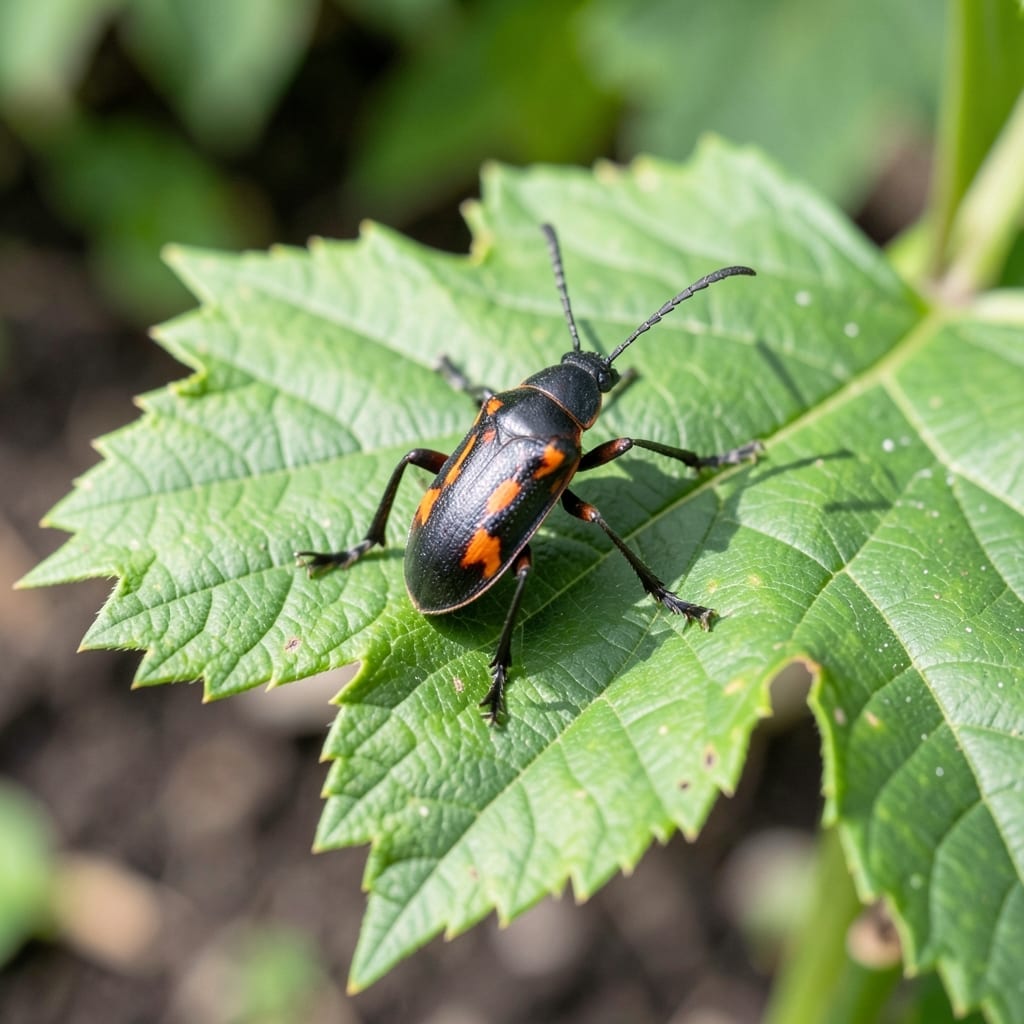
Boxelder bugs swarmed my garden last fall like uninvited guests at a picnic. I tried everything before landing on what actually works—simple traps and natural deterrents that don’t break the bank or the planet.
These pests multiply fast and love overwintering in your house. The solution isn’t complicated: sealing entry points, removing their food sources, and using DIY traps made from household items.
You’ll see fewer bugs within 48 hours of implementing these methods. Long-term, they prevent reinfestation without harsh chemicals that harm beneficial insects.
Works for gardens, patios, and home exteriors. Here’s how to reclaim your space.
Boxelder bugs can become a nuisance, especially during the fall and spring. Understanding why these pests appear in large numbers helps you tackle the root of the problem. Below are the primary reasons behind their infestations, explained with actionable insights.
Boxelder bugs are naturally drawn to seed-bearing trees, particularly the boxelder (Acer negundo), maple, and ash. Female bugs lay their eggs on these trees, and the hatched nymphs feed on the seeds and leaves. If your property has these trees, it’s a prime breeding ground. Action: Inspect your yard for these species and consider removing or treating them if infestations are severe.
As temperatures drop in the fall, boxelder bugs seek shelter to survive the winter. They’re attracted to the warmth of homes, sheds, and other structures, often congregating on sunny, south-facing walls. Cracks in foundations, gaps around windows, and loose siding provide easy entry. Action: Seal entry points with caulk, weather stripping, or screens to block their access.
Boxelder bugs reproduce rapidly, with females laying hundreds of eggs in a single season. These eggs hatch in 1-2 weeks, leading to large populations if left unchecked. Warm, dry summers can accelerate their life cycle, causing a sudden surge in numbers. Action: Monitor trees and building exteriors in late summer for egg clusters (often laid in crevices or on leaves) and remove them manually or with a strong water spray.
Boxelder bugs can be a nuisance, but with the right approach, you can reclaim your home and garden. Below are practical solutions tailored to common causes, along with prevention tips to keep them from returning.
If bugs are sneaking indoors, inspect your home’s exterior for cracks, gaps, or damaged screens. Use caulk or weatherstripping to seal windows, doors, and foundation cracks. For larger gaps, install door sweeps or mesh screens on vents. Prevention tip: 💡 Check seals annually, especially before fall when bugs seek shelter.
Boxelder bugs feed on boxelder, maple, and ash trees. Trim or remove female boxelder trees (they produce the seeds bugs love) and rake up fallen seed pods promptly. Keep your yard free of leaf litter and debris where bugs hide. Prevention tip: ✨ Plant bug-repelling species like lavender or mint near entry points.
Create a simple trap with a soapy water solution in a shallow dish. Place it near windows or bug hotspots—the soap breaks surface tension, drowning them. For outdoor use, wrap tree trunks with sticky tape to catch crawling bugs. Prevention tip: 🎯 Empty traps daily to avoid attracting more pests.
Spray a mix of water, dish soap, and neem oil on infested areas to disrupt their lifecycle. Avoid chemical pesticides, as they can harm beneficial insects. Prevention tip: 🌡️ Reapply deterrents after rain or every 2–3 weeks for best results.
Consistency is key—combine these methods for a bug-free home and garden!
No, they don’t bite humans or pets and won’t harm structures. They can stain surfaces with their waste and emit a foul odor when crushed.
Late summer to early fall is ideal, before they seek winter shelter. Focus on sealing entry points and removing attractants during this period.
Yes, when combined with prevention methods. Traps work best as part of a strategy that includes sealing entry points and removing host trees.
Avoid them—they can harm beneficial insects and the environment. Natural deterrents like neem oil and soapy water are safer and just as effective.