
Beautiful Plants For Your Interior
Beautiful Plants For Your Interior
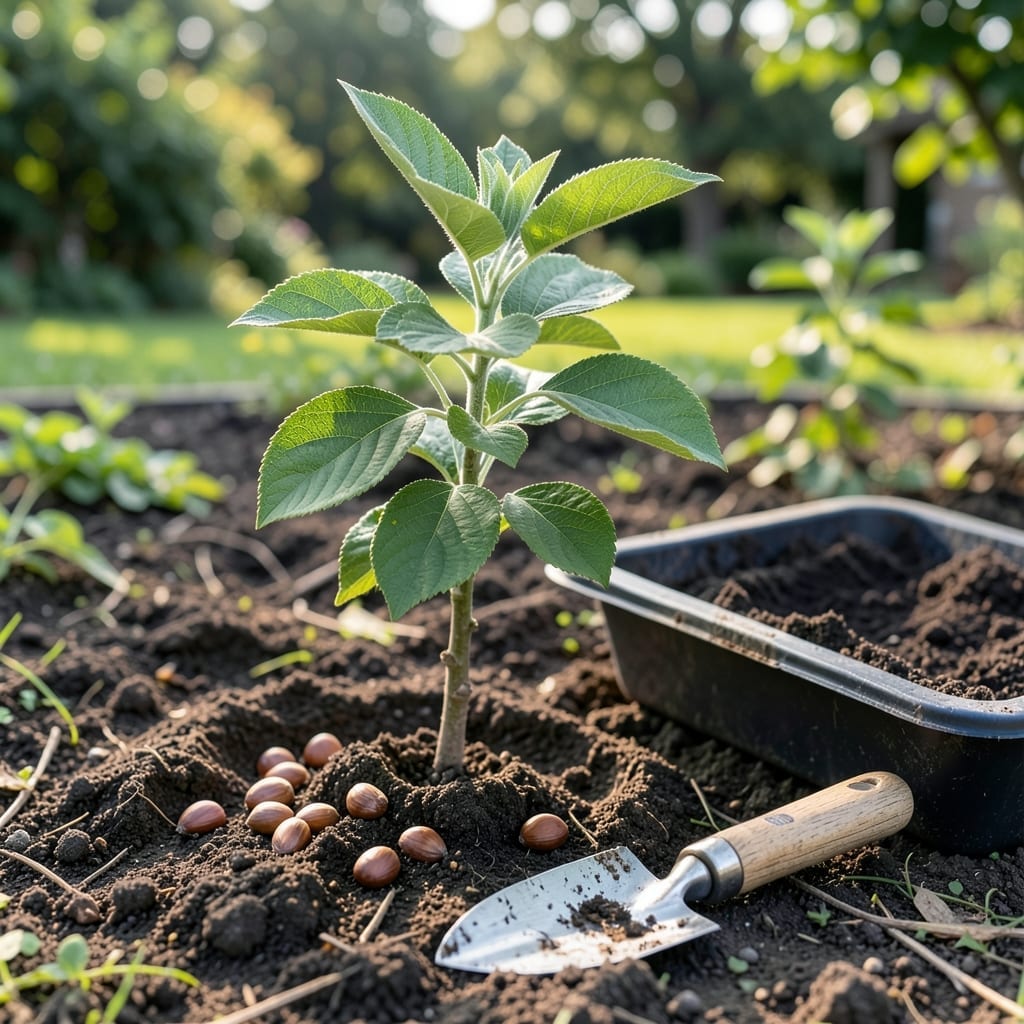
Growing an Apple Tree 🍎 from seed is a rewarding experiment that lets you witness the magic of germination firsthand. While store-bought apples may not produce identical trees, sprouting seeds at home is a fun process.
It’s perfect for gardeners of all levels who want to learn how nature works. The journey from tiny seed to young seedling is full of surprises and valuable lessons.
I’ll walk you through every step, from preparation to care, so you can succeed. You’ll discover why stratification is the key to breaking dormancy and boosting your chances.
Whether you’re a beginner or have some experience, this guide will help you grow your very own Apple Tree. Let’s get started!
Germinating apple seeds requires patience and precision, but the results are worth it. I’ve found that stratification is the most critical step, as it mimics the natural winter dormancy period. Without it, your seeds may never sprout. 🌱
Start by selecting healthy seeds from a ripe apple. Avoid seeds from hybrid varieties, as they often don’t produce true-to-type trees. Once you’ve extracted the seeds, clean them thoroughly and let them dry for a day or two. This prevents mold during stratification. 🌿
After stratification, your seeds are ready for planting. Use a well-draining potting mix to prevent waterlogging, which can rot the seeds. I recommend a mix of 50% peat moss and 50% perlite for best results. Plant the seeds about ½ inch deep. 🪴
Once planted, maintain consistent moisture levels. A spray bottle works well to keep the soil damp without disturbing the seeds. Place your pots in a warm location with indirect sunlight. A temperature range of 60-70°F is ideal for germination. ☀️
Germination typically takes 2-4 weeks, but don’t be discouraged if it takes longer. Apple seeds can be slow to sprout, and some may not germinate at all. I’ve had batches where only 30-50% of the seeds sprouted, so plant extras. 🌱
Once sprouts appear, move them to bright, indirect light. Avoid direct sunlight at this stage, as it can scorch the delicate seedlings. When the seedlings develop their first true leaves, you can gradually introduce them to more light. 🌿
Transplant seedlings into larger pots once they’re 2-3 inches tall. Be gentle with the roots to avoid shock. At this stage, you can start using a balanced fertilizer diluted to half strength to encourage growth. ✂️
Remember, apple trees grown from seed may not produce fruit identical to the parent tree. This process is more about the joy of growing than the harvest. If you want consistent fruit, consider grafting later on. 🌳
Finally, be patient. Apple trees take several years to mature and bear fruit. But watching your seedlings grow into strong saplings is a rewarding experience that makes the wait worthwhile. 🌻
I’ve seen many gardeners struggle with apple seed germination because of simple, avoidable errors. The most common mistake is skipping stratification, which mimics the natural winter dormancy period and is absolutely essential for breaking the seed’s dormancy. Without it, your seeds may never sprout, no matter how well you care for them. 🌱
Another frequent issue is overwatering or using a poor-draining medium. Apple seeds need consistent moisture, but soggy conditions can cause rot. Always use a well-draining potting mix and ensure your container has drainage holes to prevent waterlogging.
I’ve also noticed that many people use old or damaged seeds. For the best results, select plump, healthy seeds from a fresh apple. Dry them thoroughly before stratification, and discard any that look shriveled or discolored.
Temperature control is another critical factor. If your seeds are too cold or too hot, they won’t germinate. Aim for a consistent temperature between 60-70°F during the germination phase. A seedling heat mat can help maintain this range indoors. ☀️
Lastly, don’t rush the process. Apple seeds can take 2-4 weeks to sprout, and some may take even longer. Patience is key—keep the medium evenly moist and provide bright, indirect light once the seeds are planted.
By avoiding these common mistakes, you’ll significantly increase your chances of successfully germinating apple seeds and growing healthy seedlings. The effort is well worth it when you see those first green shoots emerge! 🌿