
Beautiful Plants For Your Interior
Beautiful Plants For Your Interior
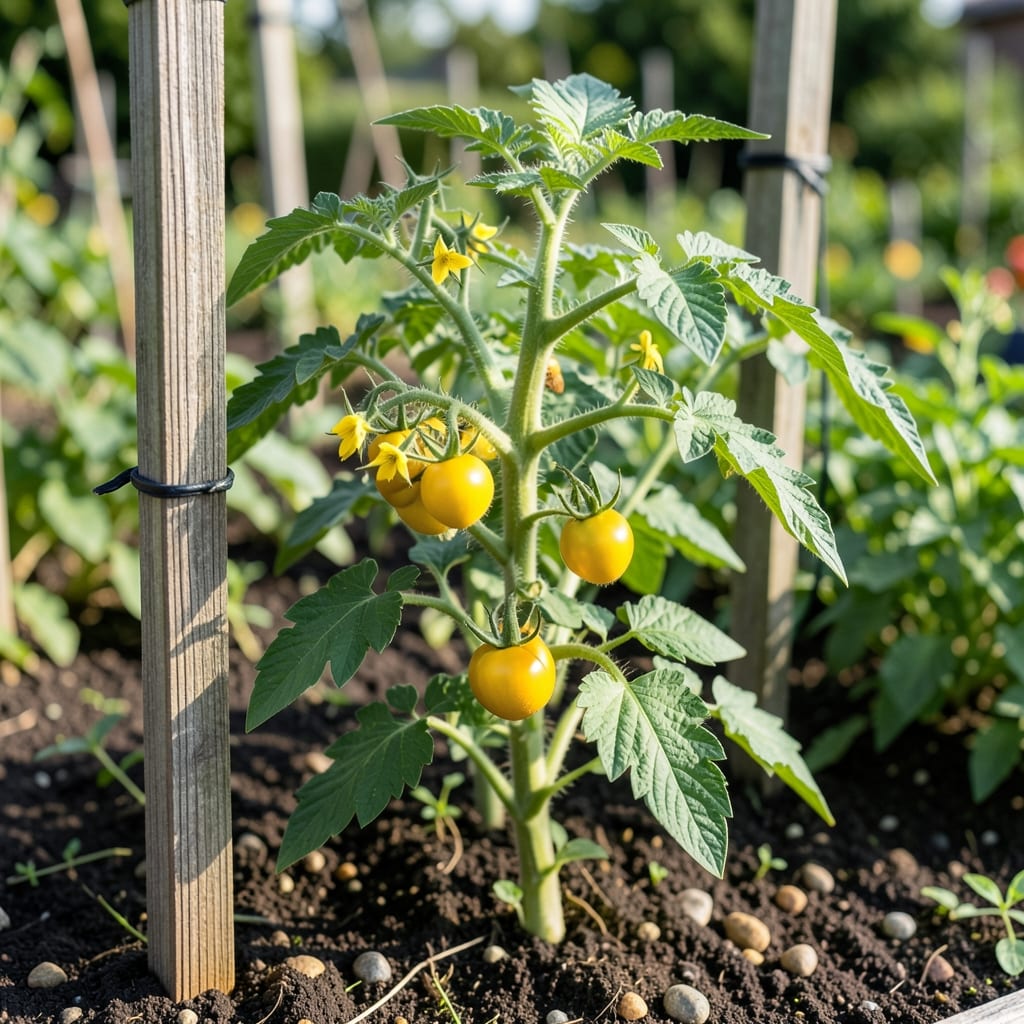
I still remember the first time I bit into a German Yellow—sweet like honey with just enough tang to keep it interesting. This heirloom variety produces golden-orange fruits that weigh in at 1-2 pounds each, perfect for slicing thick on sandwiches.
They thrive in full sun with consistent watering, and the vines grow vigorously once established. You’ll get reliable harvests from mid-summer until frost, with flavor that outshines any store-bought tomato.
📚 In This Guide
This heirloom variety rewards patience with its vibrant color and complex flavor profile.
Begin 8-10 weeks before your last frost date to give these large, indeterminate plants a head start. Fill seed trays with a sterile seed-starting mix and plant seeds at a depth of ¼ inch. German Yellow tomatoes germinate best at 75-85°F, so a heat mat can significantly improve success rates.
Maintain consistent moisture without waterlogging. You’ll see germination in 7-14 days when small green shoots break through the soil. Remove the humidity dome as soon as sprouts appear to prevent damping-off disease.
Once true leaves appear, move seedlings under full-spectrum grow lights for 14-16 hours daily. Keep lights 2-4 inches above the plants and raise them as growth progresses. Leggy, pale stems indicate insufficient light—correct this immediately by lowering the lights.
Two weeks before transplanting, begin hardening off by placing seedlings outside for increasing durations. Start with 1-2 hours in dappled shade, gradually working up to full sun for 6-8 hours daily. This prevents transplant shock when moving to the garden.
Choose a location with full sun and rich, well-draining soil. Dig holes 12-18 inches deep and amend with compost for nutrient boost. Space plants 24-36 inches apart—German Yellow tomatoes grow vigorously and need room for air circulation.
Plant seedlings deeper than their container depth, burying the stem up to the first set of leaves. This encourages additional root growth. Water thoroughly after planting and add supports like 5-6 foot stakes or cages immediately—these vines will reach impressive heights.
Water deeply 1-2 times per week, providing 1-2 inches of water each time. Allow the top 1-2 inches of soil to dry between waterings to prevent disease. Mulch with 2-3 inches of organic matter to retain moisture and suppress weeds.
Fertilize every 2-3 weeks with a balanced, water-soluble fertilizer. Watch for the first yellow flowers—this signals the transition to fruiting. German Yellow tomatoes typically mature in 80-90 days from transplanting.
These tomatoes ripen to a stunning golden-yellow color with a slight blush. Harvest when fruits are fully colored and yield slightly to gentle pressure. Pick in the morning when temperatures are cooler for best flavor.
Use pruning shears or twist gently to avoid damaging the vine. German Yellow tomatoes continue producing until frost, so check plants every 2-3 days during peak season. The flavor is sweetest when allowed to ripen fully on the vine.
These insights will help you navigate the growing process with confidence.
The Heat Factor: Maintaining that 75-85°F range in Step 1 is non-negotiable for germination. I learned this the hard way after several failed batches at lower temperatures. A heat mat isn’t just helpful—it’s transformative for achieving consistent results within the 7-14 day window.
Lighting Wisdom: In Step 2, don’t underestimate the 14-16 hours of daily light exposure. Confession: I skipped this for years and wondered why my seedlings were always leggy. The 2-4 inch distance above plants is equally critical—any higher and they’ll stretch toward the light, any lower and you risk burning the leaves.
Hardening Off Strategy: That 1-2 hour initial outdoor exposure in Step 2 might seem trivial, but it’s your insurance against transplant shock. Here’s what nobody tells you—rushing this process can set your plants back by weeks. Gradually build to the 6-8 hours of full sun exposure; your tomatoes will thank you with stronger stems and better survival rates.
Spacing Matters: The 24-36 inch spacing in Step 3 isn’t just about air circulation—it prevents disease and ensures each plant gets its share of nutrients. I’m going to save you the headache I went through: crowding these vigorous growers leads to a jungle of foliage with poor fruit production.
Plant in well-draining soil with full sun (6-8 hours daily). Keep soil consistently moist but not soggy. Use a balanced fertilizer and stake or cage the plants for support as they grow.
Harvest when the tomatoes turn a bright, golden-yellow and feel slightly soft to the touch, usually 70-80 days after transplanting. Pick them early in the morning for the best flavor.
Watch for aphids, hornworms, and fungal diseases like early blight. Use organic pesticides or neem oil for pests, and ensure good airflow to prevent fungal issues.
Yes! Choose a large container (at least 5 gallons) with drainage holes. Use a high-quality potting mix and ensure the plant gets enough sunlight and water.
Cracking often happens due to uneven watering. Maintain consistent moisture levels, especially during hot weather, to prevent this issue.