
Beautiful Plants For Your Interior
Beautiful Plants For Your Interior
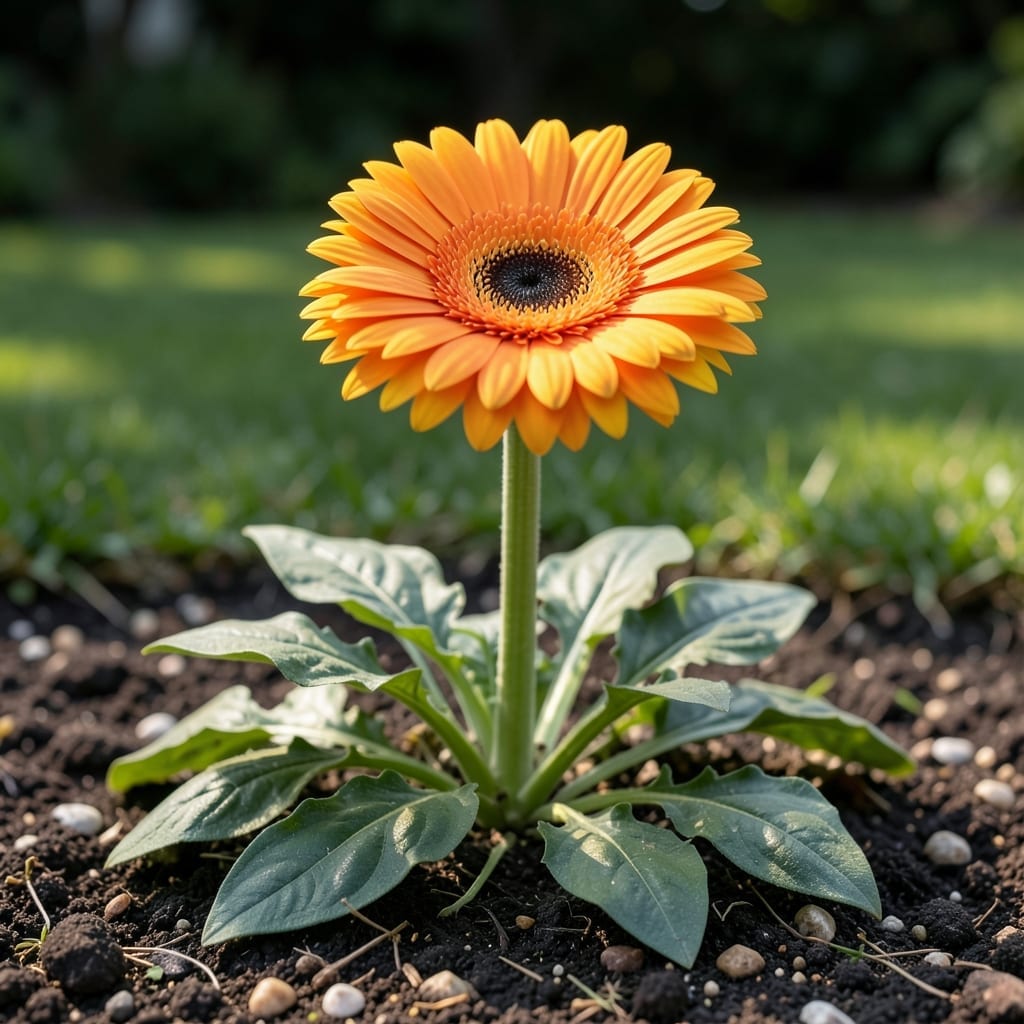
Gerbera daisies bring vibrant color to any garden, but their light needs are often misunderstood. These cheerful 🌼 blooms thrive when given the right amount of sunlight.
Getting the light balance right can mean the difference between lackluster plants and stunning, long-lasting flowers. Many gardeners struggle with this aspect, not realizing how crucial proper light exposure is.
I’ll show you exactly how much sunlight these beauties need daily and how to spot when they’re not getting enough. The key lies in understanding their natural preferences.
Discover the simple adjustments that can transform your Gerbera Daisy from surviving to thriving. Your garden will thank you for it.

I’ve found that gerbera daisies thrive with the right amount of sunlight. These vibrant flowers need 6-8 hours of direct light each day to produce their signature bright blooms. Morning sun is ideal because it’s gentler and less likely to scorch their delicate petals.
In my experience, afternoon sun can be too intense, especially in hotter climates. If you’re growing them in USDA zones 8-11, a bit of afternoon shade helps prevent wilting. Consistent light exposure also ensures sturdy stems and rich, deep colors in the blooms.
| Requirement | Specification |
|---|---|
| Daily Sunlight | 6-8 hours |
| Ideal Light Type | Direct morning sun |
| Afternoon Sun | Partial shade in hot climates |
| Light Intensity | High for blooming |
I always recommend monitoring your plants for signs of stress. If the leaves start to yellow or the blooms appear smaller than usual, it might mean they’re getting too much direct sunlight. In such cases, a sheer curtain or shade cloth can help filter the light.
For those growing gerbera daisies indoors, a south-facing window is your best bet. This provides the bright, indirect light they need. If natural light is limited, consider supplementing with grow lights for about 12-14 hours a day.
Outdoors, well-draining soil and full sun exposure work wonders. I’ve noticed that plants in raised beds or containers can be moved to follow the sun, ensuring they get enough light throughout the day. Just
Seasonal changes also affect their light needs. During the summer months, when the sun is strongest, providing a bit of shade during peak hours can prevent heat stress. In cooler months, maximize their exposure to keep them blooming.
If you’re in a region with mild winters, gerbera daisies can often survive outdoors year-round with adequate light. However, in colder areas, you might need to bring potted plants indoors and place them near a sunny window to maintain their light requirements.
Another tip I swear by is observing the flower heads. If they’re turning away from the light source, it’s a sign they’re seeking more sun. Rotate the plant or adjust its position to ensure all sides receive equal exposure.
Finally, remember that consistency is key. Sudden changes in light conditions can shock the plant, so make adjustments gradually. With the right balance, your gerbera daisies will reward you with abundant, colorful blooms all season long. ☀️
I’ve seen firsthand how the right light can transform these plants from struggling to thriving. It’s all about paying attention to their needs and making small, thoughtful adjustments. 🌼
I’ve seen many gardeners struggle when their gerbera daisies start looking weak. The first sign is often leggy stems stretching toward the light, as if reaching for more.
Another red flag is fewer blooms or smaller flowers than usual. Pale or yellowing leaves can also indicate light deficiency, especially in indoor plants.
If you notice slow growth despite regular watering and fertilizing, light is likely the culprit. These plants thrive on 6-8 hours of direct sunlight daily.
For indoor gerberas, a south-facing window is ideal. If that’s not available, consider grow lights for 12-14 hours a day to mimic natural conditions.
Outdoors, ensure they’re not shaded by taller plants or structures. Even partial shade can reduce blooming significantly in these sun-loving plants.
Correcting light issues is simple: relocate pots or adjust planting spots. Within 2-3 weeks, you’ll see healthier growth and more vibrant blooms.
☀️