
Beautiful Plants For Your Interior
Beautiful Plants For Your Interior
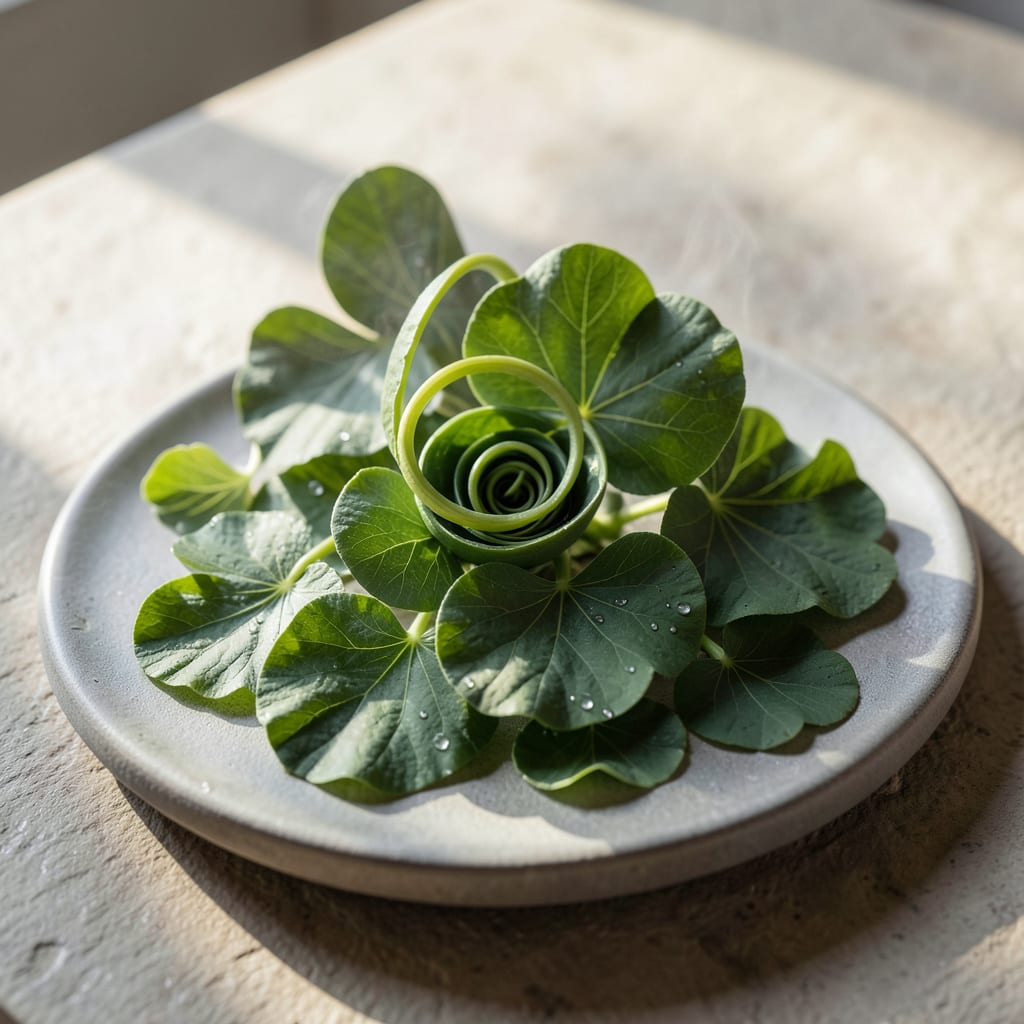
Watching geranium leaves curl upward feels like a silent cry for help. I’ve seen this happen most often when they’re getting too much direct sunlight or not enough water to balance it.
This isn’t disease—it’s usually a stress response to their environment. The leaves tighten to reduce surface area exposed to harsh light or conserve moisture when roots can’t keep up.
Adjusting their location or watering routine fixes it within 2-3 days. Move them to bright, indirect light and check soil moisture before watering again.
Prevention is simpler than cure: consistent care keeps leaves flat and happy all season long.
Geranium leaves curling upwards is often a sign of stress, and the causes can usually be traced back to environmental or care-related factors. Here are the most common reasons, explained with actionable insights:
Geraniums thrive in bright light, but too much direct sunlight—especially in hot climates—can cause leaf edges to curl upward as a defense mechanism. This happens because the plant attempts to reduce surface area exposed to intense UV rays, minimizing water loss through transpiration. If leaves feel crispy or bleached, excessive light is likely the culprit.
Both underwatering and overwatering can lead to upward curling. When the soil is too dry, leaves curl to conserve moisture. Conversely, root rot from soggy soil disrupts nutrient uptake, causing similar symptoms. Check the soil: if it’s bone-dry or waterlogged, adjust your watering schedule accordingly.
Geraniums prefer moderate temperatures (65–75°F). Heat stress (above 85°F) or cold drafts (below 50°F) can trigger curling as the plant struggles to regulate its internal processes. Low humidity (<40%) may also cause edges to tighten. Use a humidifier or move plants away from vents to stabilize conditions.
A nitrogen deficiency often causes older leaves to curl and yellow, while excess fertilizer (especially high salt content) can burn roots, leading to upward leaf distortion. Test your soil and feed with a balanced, diluted fertilizer (e.g., 10-10-10) every 4–6 weeks during the growing season.
Here’s how to tackle each common cause and restore your geraniums to their lush, vibrant selves.
If your geranium is baking in intense sunlight, move it to a spot with bright, indirect light—east-facing windowsills or dappled shade outdoors work well. For outdoor plants, use shade cloth during peak afternoon hours. Prevention tip: 💡 Gradually acclimate plants to stronger light to avoid shock.
Check the soil first: If it’s bone-dry, water deeply until it drains from the bottom, then let the top inch dry out before watering again. For soggy soil, stop watering immediately and repot in fresh, well-draining mix to prevent root rot. Prevention tip: ✨ Use a moisture meter or stick your finger in the soil—geraniums prefer slightly dry conditions over wet feet.
Geraniums curl leaves to conserve moisture in extreme heat or cold drafts. Keep indoor plants away from vents, heaters, or drafty windows. Outdoors, move potted geraniums to sheltered areas during heatwaves or unexpected frosts. Prevention tip: 🌡️ Aim for a stable environment between 65–75°F (18–24°C) for optimal growth.
Inspect the undersides of leaves for spider mites, aphids, or whiteflies. Wipe leaves with a damp cloth or spray with insecticidal soap (1 tsp mild soap per quart of water). Repeat every 3–4 days until pests are gone. Prevention tip: 🎯 Regularly mist leaves to deter spider mites and keep plants healthy.
Yellowing or curling leaves may signal a lack of magnesium or potassium. Fertilize every 2–4 weeks with a balanced, water-soluble fertilizer (10-10-10 or 20-20-20) during the growing season. Prevention tip: 🌿 Avoid over-fertilizing—more isn’t always better! Follow package instructions for dilution rates.
Most geraniums recover within 2-3 days once conditions improve. Younger leaves bounce back faster than older ones. If curling persists after a week, recheck your care routine for other stressors.
Yes, excess fertilizer creates salt buildup that burns roots, triggering upward curling. Always dilute to half-strength and fertilize no more than every 4-6 weeks during active growth.
Only mist if humidity is below 40%. Otherwise, focus on fixing the root cause. Misting can encourage fungal issues if leaves stay wet too long.
Usually not. Curling is typically environmental, not pathological. However, if accompanied by spots or wilting, investigate for bacterial blight or fungal infections.
