
Beautiful Plants For Your Interior
Beautiful Plants For Your Interior
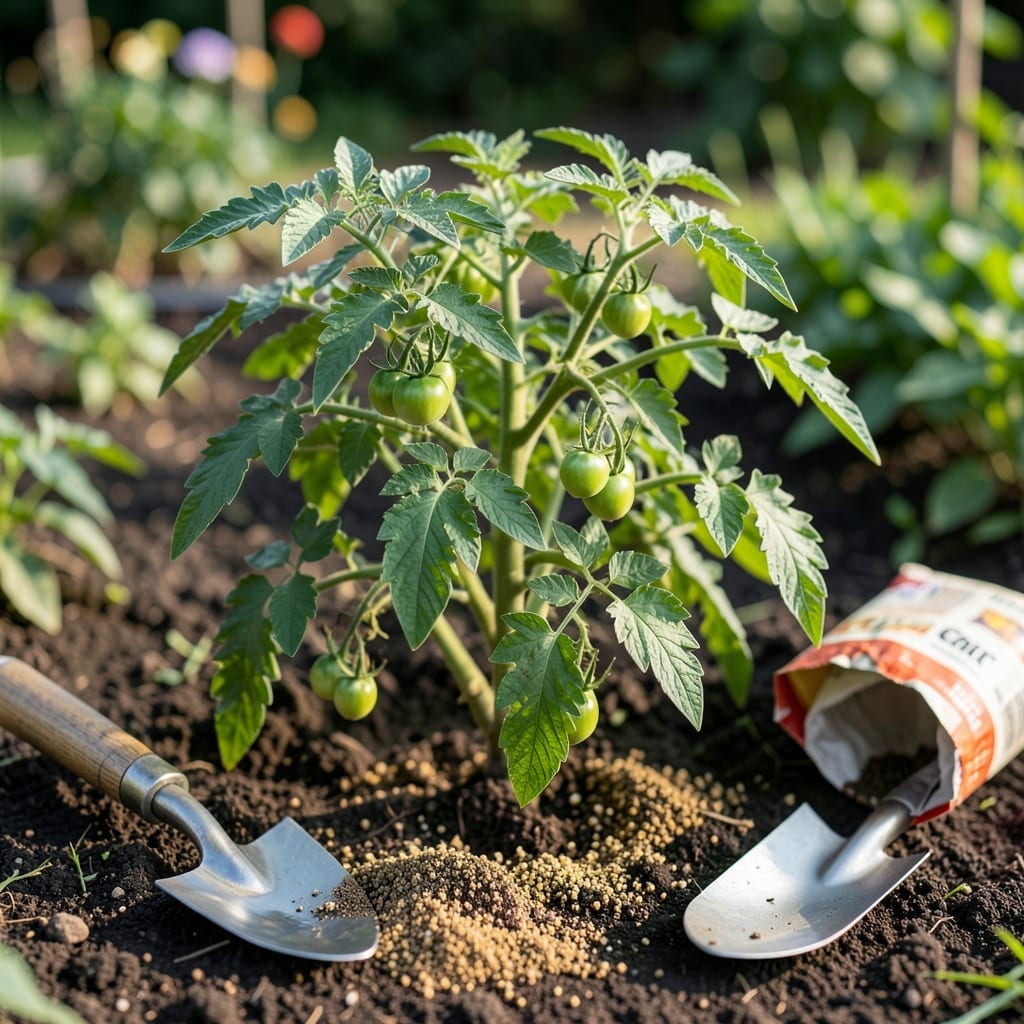
I’ve seen gardens transform from barely surviving to absolutely thriving with just one change. That change? Using the right general fertilizer for your plants.
The 🌱 General Plant, like all plants, needs a balanced diet to reach its full potential. Without proper nutrients, growth stalls and leaves lose their vibrancy.
What if I told you there’s a simple way to give your garden exactly what it craves? It starts with understanding how fertilizers work.
Let me show you how to pick and apply the perfect fertilizer for healthier, more vibrant plants this season.
Every general fertilizer label displays three numbers representing nitrogen (N), phosphorus (P), and potassium (K). These are the primary nutrients plants need for healthy growth.
Nitrogen (N) fuels leafy growth and vibrant green color. It’s essential for vegetative development and helps plants produce robust stems and foliage.
| Nutrient | Primary Role | Best For |
| Nitrogen (N) | Leaf & stem growth | Lawns, herbs, leafy greens |
| Phosphorus (P) | Root & flower development | Blooming plants, root crops |
| Potassium (K) | Disease resistance, fruit quality | Fruits, vegetables, perennials |
| Balanced (10-10-10) | All-around growth | General garden use |
Phosphorus (P) supports root development and flowering. It’s crucial for strong root systems and abundant blooms, making it ideal for blooming plants and root crops.
Potassium (K) boosts disease resistance and improves fruit quality. It helps plants withstand stress and produce high-quality yields.
A balanced fertilizer like 10-10-10 provides equal parts of all three nutrients, making it suitable for most garden plants. It’s a great choice for beginners.
For leafy greens like lettuce or spinach, I recommend a higher nitrogen ratio, such as 20-10-10, to encourage lush foliage.
Flowering plants and root crops benefit from a higher phosphorus ratio, like 5-10-5, to promote blooms and strong roots.
Fruiting plants, such as tomatoes or peppers, thrive with a higher potassium ratio, like 10-10-20, to enhance fruit quality and disease resistance.
Always check your soil test results to determine which nutrients your soil may be lacking. This helps you choose the right fertilizer blend for your garden’s needs.
Remember, the NPK ratio is just a starting point. Observing your plants and adjusting based on their response will lead to the best results 🌱
Choosing the right fertilizer can feel overwhelming, but I’ve found that organic options like compost or manure work wonders for soil health and long-term growth. They release nutrients slowly, which is perfect for sensitive plants and eco-friendly gardens.
On the other hand, synthetic fertilizers provide a quick nutrient boost for plants that need immediate feeding. These are great for fast-growing vegetables or reviving nutrient-deficient soil.
| Fertilizer Type | Best For | Key Benefit |
|---|---|---|
| Organic (Compost, Manure) | Flowers, Shrubs | Soil enrichment |
| Synthetic (10-10-10) | Vegetables, Lawns | Fast nutrient uptake |
| Slow-Release Granules | Potted Plants | Long-lasting feed |
| Liquid Fertilizer | Foliage Plants | Quick absorption |
For container gardens, I always recommend slow-release granules. They provide a steady nutrient supply without the risk of burning roots, which is common with liquid feeds if overapplied.
If you’re growing leafy greens or herbs, a balanced liquid fertilizer applied every 2-3 weeks can keep them thriving. Just
I’ve seen the best results when I match the fertilizer type to my plants’ needs. Flowering plants often benefit from a higher phosphorus formula to encourage blooms.
Finally, always test your soil before applying any fertilizer. This helps you understand what nutrients are already present and what your plants truly need to grow their best.
With the right approach, you’ll see vibrant growth and healthy plants all season long 🌱