
Beautiful Plants For Your Interior
Beautiful Plants For Your Interior
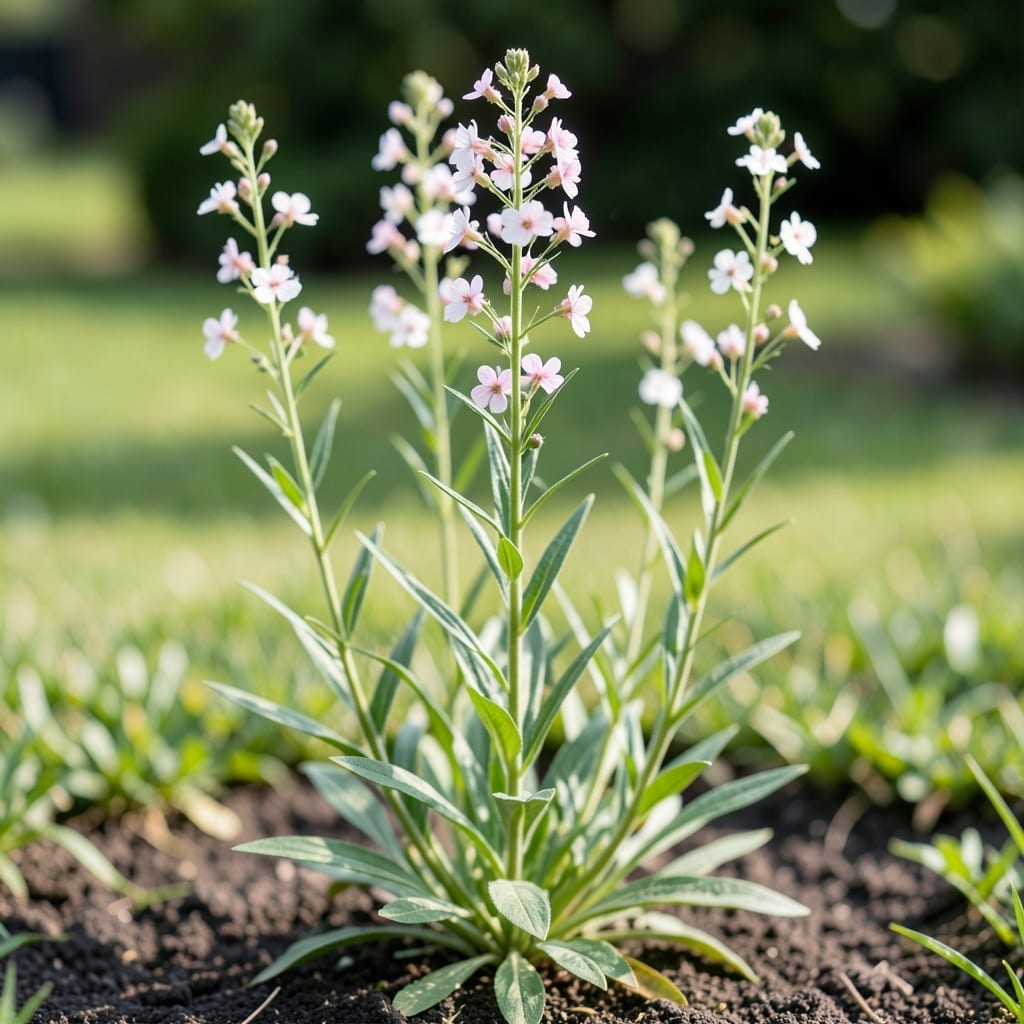
There’s something magical about watching Gaura’s 🌸 delicate blooms dance in the breeze. These butterfly-like flowers can transform any garden into a vibrant paradise.
But when exactly do they burst into color? Timing is everything if you want to enjoy their beauty all season long.
From the first signs of spring to the warm days of summer, Gaura has a unique rhythm. I’ll show you how to sync with it for maximum impact.
Discover the secrets to making these flowers thrive and bloom longer in your own backyard.
If you’re wondering about gaura bloom time, you’re in for a treat—these plants are long-season bloomers. In most regions, gaura starts flowering in late spring and continues through early fall, often until the first frost.
In USDA zones 5-9, gaura typically begins blooming in May or June. The exact timing can vary based on your local climate and when you planted it. Warmer zones may see blooms as early as April, while cooler areas might start in July.
| Bloom Stage | Typical Timing | Climate Influence |
| First Blooms | Late Spring | Warmer zones start earlier |
| Peak Blooming | Summer | Consistent in full sun |
| Late Blooms | Early Fall | Extends until first frost |
I’ve noticed that gaura thrives in full sun and well-draining soil, which can encourage earlier and more abundant blooms. If your plants aren’t flowering on schedule, check if they’re getting at least 6 hours of sunlight daily.
Regional variations play a big role. In southern states, gaura may bloom almost year-round in mild winters. Meanwhile, in northern climates, the season is shorter but still impressive, often lasting 3-4 months.
Another factor is planting time. If you plant gaura in early spring, it may start blooming sooner than if planted in fall. However, fall-planted gaura often establishes stronger roots, leading to more robust blooming the following year.
For the best results, I recommend pairing gaura with drought-tolerant companions like lavender or salvia. These plants share similar growing conditions and can create a stunning, low-maintenance garden that blooms all season.
If you’re in a region with hot summers, don’t worry—gaura handles heat well. Just
One of my favorite things about gaura is its resilience. Even if the flowers take a break during the hottest part of summer, they often rebound with a second flush of blooms in late summer or early fall.
To maximize your gaura’s bloom time, deadhead spent flowers regularly. This encourages the plant to produce new blooms instead of focusing on seed production. A little pruning in midsummer can also promote bushier growth and more flowers.
With the right care, your gaura can be a garden showstopper from spring until frost. 🌸
I love how gaura’s delicate blooms can dance in the breeze for months, but with a few simple tricks, you can stretch that flowering period even longer. The key is understanding what this plant craves.
First, deadheading spent flowers encourages new blooms to form. I do this weekly during peak season to keep my gaura plants looking fresh and vibrant.
I’ve found that proper watering makes a huge difference. Gaura thrives with deep but infrequent watering, so I soak the soil once a week and let it dry out between sessions.
Sunlight is non-negotiable for gaura. These plants need 6+ hours of direct sun daily to produce their best blooms. If your garden has partial shade, expect fewer flowers.
A mid-summer prune can work wonders. I trim back my gaura by about one-third when blooms start to slow, which often triggers a second flush of flowers. ✂️
Finally, avoid heavy fertilizers. Gaura prefers leaner soil, and too much nitrogen can lead to lush foliage at the expense of blooms. A light feeding in spring is all it needs. 🌿