
Beautiful Plants For Your Interior
Beautiful Plants For Your Interior
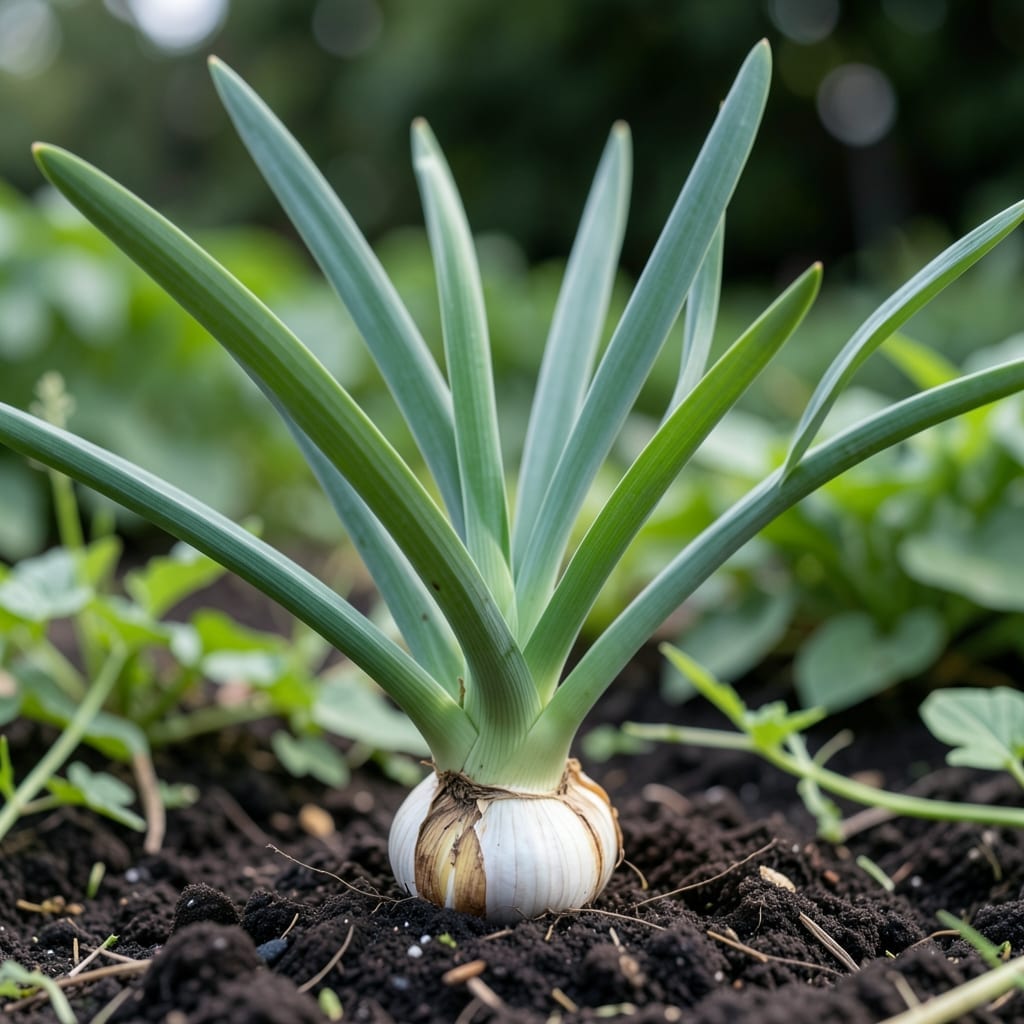
Last season, I watched my garlic leaves twist into wild, broom-like shapes overnight. 🌱 Witches broom isn’t magic—it’s a stress response, and I’ve learned exactly what triggers it and how to stop it in its tracks.
The culprit is usually environmental: too much water, sudden temperature swings, or nutrient imbalances. Your garlic is basically shouting for help through curled, stunted growth. The good news? It’s fixable with a few quick adjustments to your care routine.
You’ll see new growth straightening out within 1-2 weeks of correcting the issue. The bulbs still form, though they might be slightly smaller. Catching it early means next year’s crop won’t even remember this happened.
Prevention is simpler than cure—consistent moisture, balanced soil, and proper spacing keep this from ever becoming a problem again. Here’s how to get your garlic back on track.
Garlic witches broom, characterized by excessive branching and curled leaves, is primarily driven by environmental stress and biological factors. Below are the most common causes, explained scientifically for clarity and actionability.
Garlic thrives in cool conditions (60–70°F). When exposed to sudden heat spikes (above 80°F) or cold snaps (below 50°F), the plant’s growth hormones (auxins) become disrupted. This triggers abnormal cell division, leading to the dense, broom-like clustering of leaves and stems. Solution: Use row covers in early spring to stabilize temperatures.
Inconsistent moisture—either drought or waterlogging—stresses the garlic bulb, prompting survival responses. Drought causes the plant to overproduce lateral shoots in an attempt to maximize water absorption, while waterlogged soil suffocates roots, triggering erratic growth. Solution: Maintain even soil moisture (1–1.5 inches of water weekly) and ensure well-draining soil.
Certain pests, like onion thrips or nematodes, damage garlic tissue, leading to compensatory growth. Meanwhile, fungal pathogens (e.g., Fusarium) can infect the bulb, disrupting normal development. Solution: Rotate crops yearly and apply neem oil or organic fungicides preventatively.
Excess nitrogen (N) promotes vegetative overgrowth, while deficiencies in potassium (K) or phosphorus (P) weaken the plant, making it susceptible to stress-induced deformities. Solution: Test soil before planting; amend with balanced compost (e.g., 5-10-10 NPK ratio).
Garlic witches broom can be managed with targeted solutions. Below are practical fixes for each cause, along with prevention tips to keep your crop healthy.
If the issue stems from viral or phytoplasma infections, the best action is to pull and destroy affected plants immediately. Do not compost them, as this can spread the pathogen. Sterilize your tools with rubbing alcohol afterward to prevent contamination. Prevention tip: Use certified disease-free garlic cloves for planting and rotate crops yearly to break the disease cycle.
Fungal infections thrive in damp, stagnant conditions. Thin out crowded garlic plants to allow better airflow, and water at the base (not overhead) to keep foliage dry. A copper-based fungicide can help control mild outbreaks. Prevention tip: Space cloves 4–6 inches apart and avoid overwatering. 💡 Morning watering gives leaves time to dry before evening.
Aphids, leafhoppers, and mites often transmit witches broom. Spray with neem oil or insecticidal soap at the first sign of pests. Introduce beneficial insects like ladybugs for natural control. Prevention tip: Inspect plants weekly and remove weeds that harbor pests.
Nutrient deficiencies or poor drainage can stress garlic, making it prone to witches broom. Test your soil and amend with compost or balanced fertilizer if needed. Ensure well-draining beds to avoid waterlogged roots. Prevention tip: Plant in loose, fertile soil with a pH of 6.0–7.0 for optimal growth.
Act quickly at the first sign of curling or clustering leaves—early intervention makes all the difference!
Yes, the bulbs are safe to eat if the issue is environmental. Discard only if caused by pests or disease.
Plant certified disease-free cloves and rotate crops yearly. Maintain consistent moisture and proper spacing.
Yes, though they may be slightly smaller. Correcting the issue early ensures normal bulb development.
Adjust watering to 1-1.5 inches weekly and add row covers for temperature swings.