
Beautiful Plants For Your Interior
Beautiful Plants For Your Interior
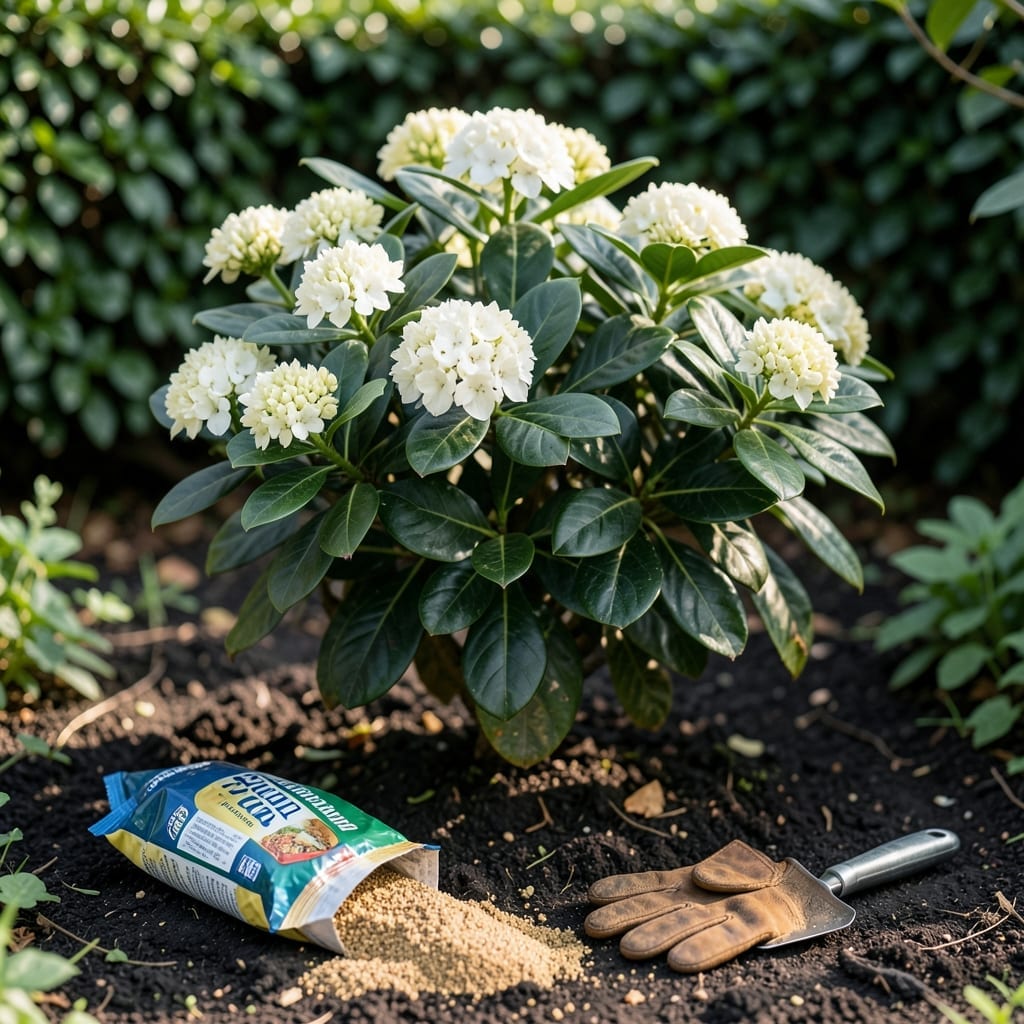
Achieving vibrant, fragrant gardenia blooms starts with the right fertilizer ratio. These acid-loving plants thrive with a precise NPK balance, but getting it wrong can lead to yellow leaves or poor flowering.
The 🌸 Gardenia needs more than just water and sunlight to flourish. It demands a carefully calibrated mix of nutrients to produce those stunning blooms we all love. Without the proper ratio, your efforts might go to waste.
I’ve seen many gardeners struggle with their gardenias, not realizing the issue lies in their fertilizer. The solution is simpler than you might think, and I’m here to guide you through it.
Discover the exact NPK formula that will transform your gardenia from surviving to thriving. Let’s unlock the secret to lush, healthy growth together.
Getting the gardenia fertilizer ratio right is the secret to those stunning, fragrant blooms. Gardenias are acid-loving plants that require a specific NPK balance to thrive. Without it, you risk yellow leaves or poor flowering.
I’ve tested various ratios over the years, and the best results come from formulations like 30-10-10 or 15-5-10. These higher nitrogen blends promote lush foliage while supporting vibrant blooms. The key is balancing growth with flowering power.
| Nutrient | Ratio | Purpose |
| Nitrogen | 30-15% | Foliage growth |
| Phosphorus | 10-5% | Root development |
| Potassium | 10-5% | Flower production |
| Iron | Trace | Prevents chlorosis |
The nitrogen in your fertilizer fuels leafy growth, while phosphorus strengthens roots. But don’t overlook potassium—it’s the bloom booster that makes those creamy white flowers pop. Gardenias need all three in the right proportions.
What many miss are the micronutrients. Gardenias crave iron and magnesium, especially in alkaline soils. That’s why I always recommend an acid-forming fertilizer to maintain the proper pH of 5.0-6.0.
I notice gardenias struggle most when the soil pH drifts too high. Even with perfect NPK numbers, the plant can’t absorb nutrients if the pH is off. A simple soil test can save you months of frustration.
For established plants, I use a slow-release fertilizer every 4-6 weeks during the growing season. This steady feeding mimics natural nutrient availability. New plantings benefit from a lighter initial dose to avoid root burn.
The 30-10-10 ratio works wonders for most gardenias, but I’ve had success with 15-5-10 for more compact varieties. The lower overall concentration reduces the risk of over-fertilization while still delivering essential nutrients.
Remember that yellow leaves often signal iron deficiency, not necessarily a lack of nitrogen. Before increasing your fertilizer dose, check for interveinal chlorosis—yellowing between leaf veins—which is a classic iron shortage symptom.
I always water deeply before and after fertilizing to help distribute nutrients and prevent root burn. This simple step makes a noticeable difference in how quickly my gardenias respond to feeding. 🌸
Timing your gardenia fertilization is just as important as choosing the right ratio. I always start feeding my gardenias in early spring when new growth appears, then continue through summer. This aligns with their active growing season.
For best results, I apply fertilizer every 4-6 weeks during the growing period. This regular schedule ensures consistent nutrient availability without overwhelming the plant. Remember, gardenias are sensitive to over-feeding.
I prefer liquid fertilizers for gardenias because they allow for more precise control over nutrient delivery. They’re especially effective for potted gardenias where nutrient runoff can be an issue. Just be sure to follow the package instructions carefully.
For granular options, I find slow-release formulas work well. They feed the plant gradually, reducing the risk of fertilizer burn. Scratch them lightly into the soil surface and water thoroughly to activate.
The amount you use depends on your gardenia’s size. For established plants, I use about 1 tablespoon per plant or 1 pound per 100 square feet of garden bed. Always err on the side of caution with gardenias.
Watch your plant’s response closely. If you notice leaf yellowing or reduced blooming, it might be time to adjust your fertilizer ratio or application schedule. Healthy gardenias reward careful attention with stunning, fragrant blooms 🌸