
Beautiful Plants For Your Interior
Beautiful Plants For Your Interior
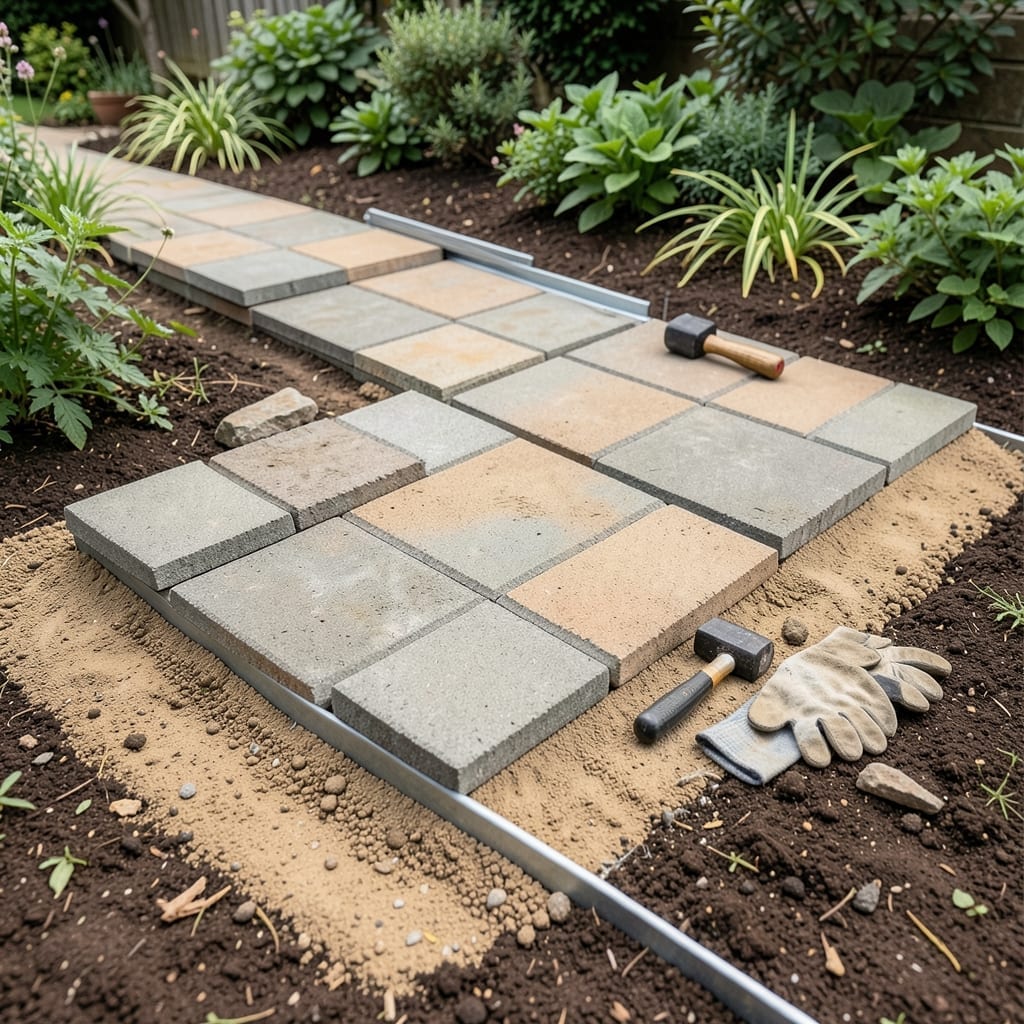
Your garden deserves a path that’s as stylish as it is functional. With 🪨 Garden Path Pavers, you can create walkways that guide visitors through your outdoor space while adding lasting charm.
I’ve seen how the right pavers can transform a plain yard into a stunning retreat. Whether you prefer classic brick or modern stone, the options are endless.
You’ll discover how to choose materials that suit your landscape and budget. From rustic cobblestone to sleek concrete, each has its own appeal.
Let me walk you through the process of designing a path that’s both beautiful and built to last. Your dream garden walkway is closer than you think.
When designing your garden path, choosing the right paver material is crucial. Each type offers distinct advantages for durability, aesthetics, and maintenance needs. I’ll walk you through the top options to help you decide.
Concrete pavers are a popular choice for their affordability and versatility. They come in various shapes, colors, and textures, making them perfect for modern or traditional garden designs. Plus, they’re easy to install and replace if damaged.
| Material | Pros | Cons | Best For |
|---|---|---|---|
| Concrete | Affordable, versatile, easy to install | Less natural appearance | Modern gardens, high-traffic areas |
| Natural Stone | Unique, elegant, durable | Expensive, heavy, harder to cut | Luxury landscapes, rustic designs |
| Brick | Classic look, durable, low maintenance | Limited colors, can shift over time | Traditional gardens, formal paths |
| Gravel | Budget-friendly, easy to install, good drainage | Requires frequent refilling, can scatter | Casual gardens, low-traffic areas |
Natural stone pavers like bluestone or flagstone add a timeless, elegant touch. Their unique patterns and earthy tones blend seamlessly with natural landscapes. However, they’re heavier and often more expensive than other options.
If you love a classic look, brick pavers are an excellent choice. They’re durable and require minimal maintenance, though their color options are limited. I love how they age beautifully, adding character to your garden over time.
Gravel is another budget-friendly option that’s perfect for casual garden paths. It’s easy to install and allows for excellent drainage, but it may require frequent refilling and isn’t ideal for high-traffic areas.
For a permeable paver solution, consider pervious concrete or porous stone. These materials allow water to seep through, reducing runoff and helping to recharge groundwater. They’re great for eco-conscious gardeners.
When selecting pavers, think about your garden’s style and climate. For example, natural stone works well in dry climates, while concrete can handle freeze-thaw cycles better in colder regions.
Don’t forget to consider edge restraints to keep your pavers in place. Whether you use plastic edging, metal borders, or natural stone, securing the edges ensures your path stays intact for years.
Finally, think about maintenance. While most pavers are low-maintenance, some may require sealing or occasional cleaning to keep them looking their best. I recommend sweeping regularly and removing weeds promptly to extend the life of your garden path. 🌿
Designing with garden path pavers opens up endless possibilities for customization. I love how different patterns can completely transform the look of a garden. From classic to modern, the right design can tie your outdoor space together beautifully.
Consider the overall style of your garden when choosing a paver pattern. A formal garden might benefit from a herringbone layout, while a cottage garden could look stunning with a more random, natural arrangement.
For a truly unique look, I recommend mixing different paver colors or materials. This can create visual interest and help define different areas of your garden. For example, use a darker paver for the main path and lighter ones for borders.
Don’t forget about the shape of your path. Curved paths can add a sense of mystery and encourage exploration, while straight paths provide a more formal, direct route through your garden.
I’ve found that incorporating small planting areas between pavers can soften the look and add greenery. Try using creeping thyme or Irish moss for a low-maintenance, beautiful ground cover.
Remember, the key to a successful paver design is proper planning. Sketch out your ideas first, and consider how the path will flow with the rest of your garden layout.
With a little creativity, your garden path pavers can become a stunning feature that enhances your entire outdoor space 🌿