
Beautiful Plants For Your Interior
Beautiful Plants For Your Interior
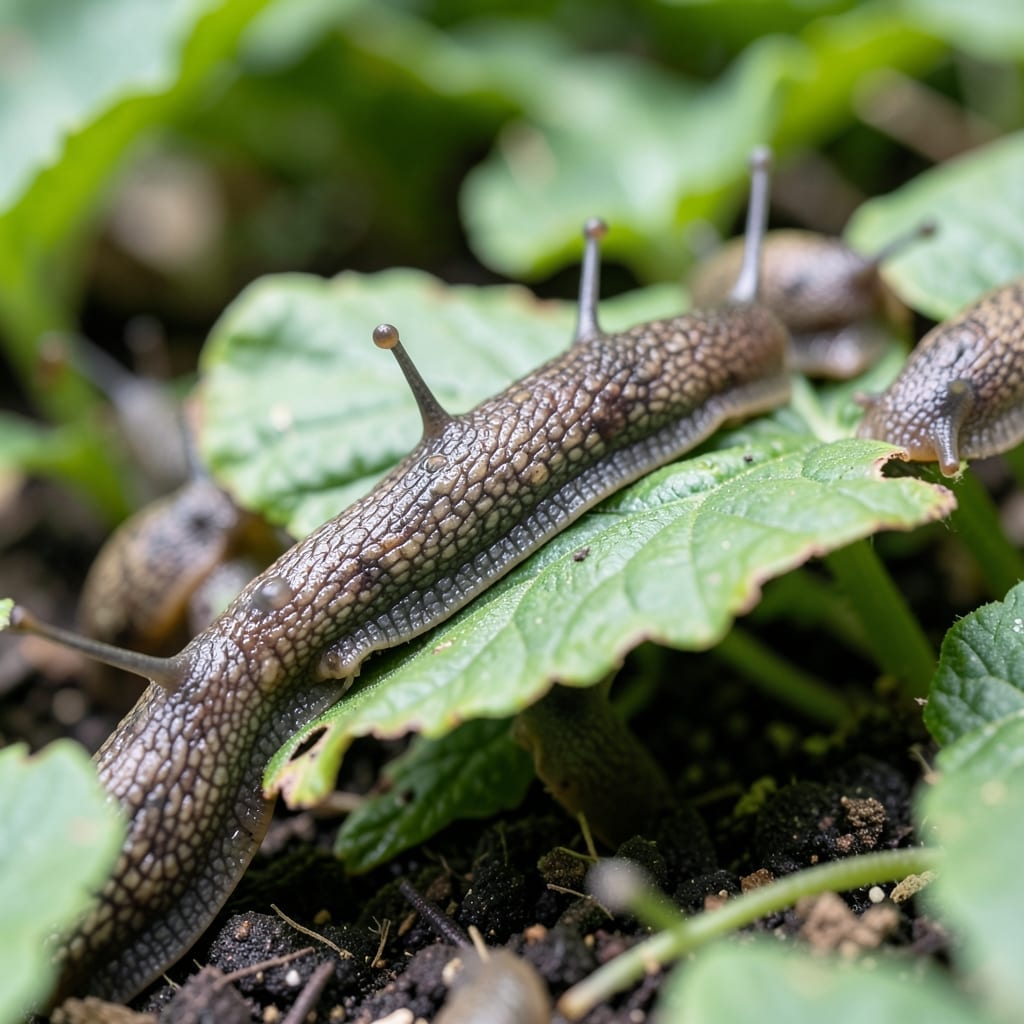
Waking up to chewed leaves and slimy trails is every gardener’s nightmare. I’ve lost entire beds to these nighttime raiders, but there’s a foolproof way to turn the tables overnight.
Slugs thrive in damp, dark corners, but they’re predictable. A simple trap with beer or yeast lures them in by dawn, and you’ll wake up to a bucket full of offenders instead of decimated plants.
Your garden can go from battleground to sanctuary in 24 hours. The best part? No chemicals, just strategy. These traps work for any size space, from containers to full plots.
Fair warning: once you see the results, you’ll wonder why you didn’t try this sooner. Here’s the exact method that saved my lettuce, hostas, and dahlias.
Slugs thrive in gardens for several scientific and environmental reasons. Understanding these causes can help you address the issue effectively.
Slugs are attracted to damp environments. Overwatering, poor soil drainage, or frequent rain creates the perfect habitat for them. Dense mulch or organic debris retains moisture, encouraging slugs to reproduce and feed on plants. Reducing watering frequency and improving drainage can discourage their presence.
Gardens with tender young plants, decomposing leaves, or overripe fruits provide an all-you-can-eat buffet for slugs. They’re especially drawn to leafy greens, strawberries, and soft-stemmed vegetables. Removing plant debris and harvesting produce promptly can limit their food supply.
In balanced ecosystems, predators like birds, beetles, frogs, and hedgehogs keep slug populations in check. If your garden lacks these allies—due to pesticides, urbanization, or a lack of biodiversity—slugs multiply unchecked. Encouraging wildlife (e.g., adding a small pond or birdhouses) can restore this natural balance.
Slugs are nocturnal, emerging at night to feed undisturbed. Warm, humid nights are ideal for their activity. Without intervention, they can devour plants overnight. Using overnight traps (like beer traps or copper barriers) can disrupt their feeding patterns.
Slugs can wreak havoc on your garden, but these targeted fixes will help you reclaim your plants fast. Below are practical solutions, each tied to a common cause.
Slugs thrive in damp environments. Reduce their habitat by improving drainage in your garden. Use raised beds or add gravel to soil to limit standing water. Water plants in the morning so surfaces dry by evening, making the area less inviting for slugs.
Dense foliage gives slugs plenty of hiding spots. Trim low-hanging leaves and remove garden debris like fallen leaves or mulch piles. Keep the garden tidy to eliminate their shelters and expose them to predators like birds.
Physical barriers work wonders. Surround plants with copper tape—slugs dislike the metal’s reaction with their slime. Alternatively, use crushed eggshells or diatomaceous earth around plant bases; the sharp edges deter them. Reapply after rain for lasting protection.
Slugs are most active at night. Set up traps using shallow containers filled with beer or a yeast-sugar-water mix. Bury the containers so the rims are level with the soil. Slugs will crawl in and drown. Empty and refresh traps every morning.
Prevention Tips:
They love damp, dark areas with plenty of food. Overwatered soil, thick mulch, and decaying plant matter create ideal conditions. Tender young plants and ripe fruits are their favorite meals.
Yes, most slugs are drawn to beer’s yeast. Use shallow containers buried to the rim and filled with 1-2 inches of beer. Empty and refresh traps daily for best results.
A 1-inch wide strip around beds creates a mild electric barrier. Ensure it’s unbroken and touches the soil. Works best for raised beds or containers.
Slugs avoid daytime dryness and predators. Cool, humid nights let them feed undisturbed. Check your garden with a flashlight to spot them in action.