
Beautiful Plants For Your Interior
Beautiful Plants For Your Interior
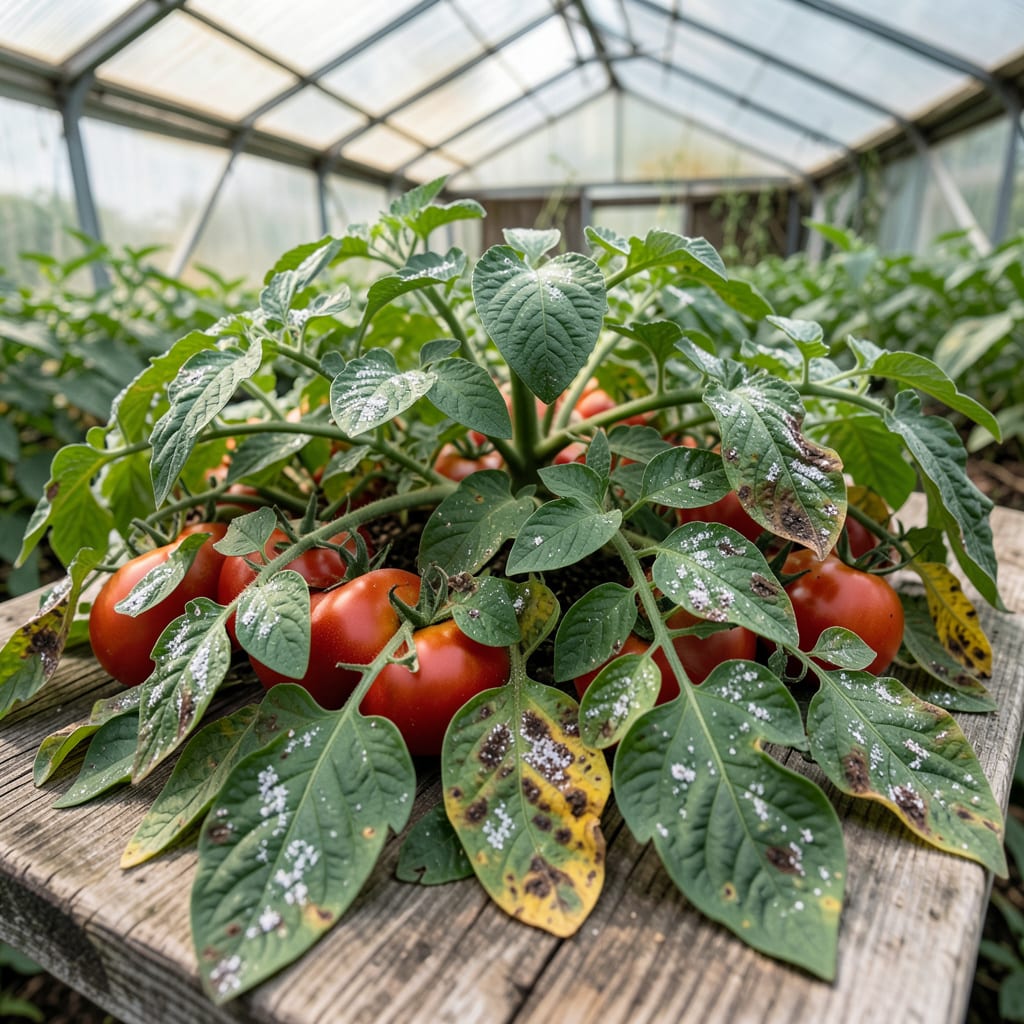
Spotted the white powder or dark patches on your tomato leaves yet? That’s fungus moving in, and I’ve learned the hard way it spreads faster than you’d think.
Early action saves your crop. I lost half my plants the first year I ignored those initial yellow spots. Now I check leaves daily in humid weather and catch it before it takes over.
Natural fixes work if you start early. A simple baking soda spray or copper fungicide stops most outbreaks. The key is consistency—hit it every 5-7 days until it’s gone.
Prevention’s easier than cure. Good airflow, morning watering, and clean tools keep fungus from getting a foothold next season.
Fungal infections on tomato leaves don’t appear out of nowhere. They thrive under specific conditions, often tied to environmental factors or cultural practices. Understanding the root causes helps you prevent outbreaks before they start. Here’s why it happens:
Fungi like Alternaria and Septoria need water to reproduce. Prolonged leaf wetness—from overhead watering, heavy dew, or rain—creates the perfect breeding ground. Crowded plants or dense canopies trap humidity, extending the time moisture lingers on foliage. Solution: Water at the base of plants early in the day and space them properly for airflow.
Warm days (75–85°F) paired with cool, damp nights stress tomato plants, weakening their defenses. Many fungal spores germinate rapidly in this temperature swing. Solution: Use row covers to stabilize temperatures or plant resistant varieties like ‘Mountain Merit’ or ‘Defiant PhR’.
Fungal spores overwinter in soil, old plant debris, or even gardening tools. Splashing rain or wind can carry them onto lower leaves. Solution: Rotate crops yearly, remove fallen leaves, and sanitize tools with a 10% bleach solution.
Over-fertilizing with nitrogen produces lush, tender growth that’s more susceptible to infection. Conversely, potassium deficiencies reduce a plant’s ability to resist disease. Solution: Test soil and amend with balanced organic fertilizers, prioritizing potassium-rich options like wood ash or kelp meal.
Tackling fungus on your tomato plants starts with identifying the issue and applying the right solution. Here are practical fixes for common fungal problems, along with prevention tips to keep your plants healthy.
If you spot brown spots with concentric rings on lower leaves, it’s likely early blight. Remove infected leaves immediately and discard them (do not compost). Apply a copper-based fungicide or a homemade spray of baking soda (1 tsp), water (1 quart), and a drop of dish soap. Spray every 7–10 days until the issue clears.
Prevention tip 💡: Rotate crops yearly, avoid overhead watering, and ensure good airflow between plants.
Late blight causes dark, greasy spots on leaves and stems. This spreads quickly, so remove and destroy infected plants to prevent contagion. Treat remaining plants with neem oil or potassium bicarbonate sprays. Avoid planting tomatoes in the same spot next season.
Prevention tip 💡: Choose blight-resistant tomato varieties and space plants widely to reduce humidity.
White, powdery patches on leaves signal powdery mildew. Prune dense foliage to improve airflow and apply sulfur-based fungicides or a milk spray (1 part milk to 9 parts water) weekly. Avoid late-day watering to let leaves dry faster.
Prevention tip 💡: Plant in full sun and thin out crowded stems early in the season.
Small, circular spots with gray centers? That’s septoria. Remove infected leaves and mulch with straw to prevent soil-borne spores from splashing onto leaves. Apply copper fungicide as a protective measure.
Prevention tip 💡: Water at the base of plants and keep the garden free of debris.
For all fungal issues, consistency is key. Reapply treatments after rain, and always sterilize pruning tools with rubbing alcohol to avoid spreading spores. Healthy soil and proper spacing go a long way in keeping fungus at bay!
Look for yellow or brown spots, white powdery patches, or dark greasy marks on lower leaves first. These often start small but spread rapidly in humid conditions.
For advanced cases like late blight, remove and destroy infected plants immediately to protect others. Early intervention with fungicides works for milder outbreaks.
Reapply baking soda or milk sprays every 5-7 days, especially after rain. Consistency prevents spores from regaining a foothold.
Resistant types like ‘Defiant PhR’ reduce risk but aren’t immune. Still practice good airflow and sanitation for best results.
