
Beautiful Plants For Your Interior
Beautiful Plants For Your Interior
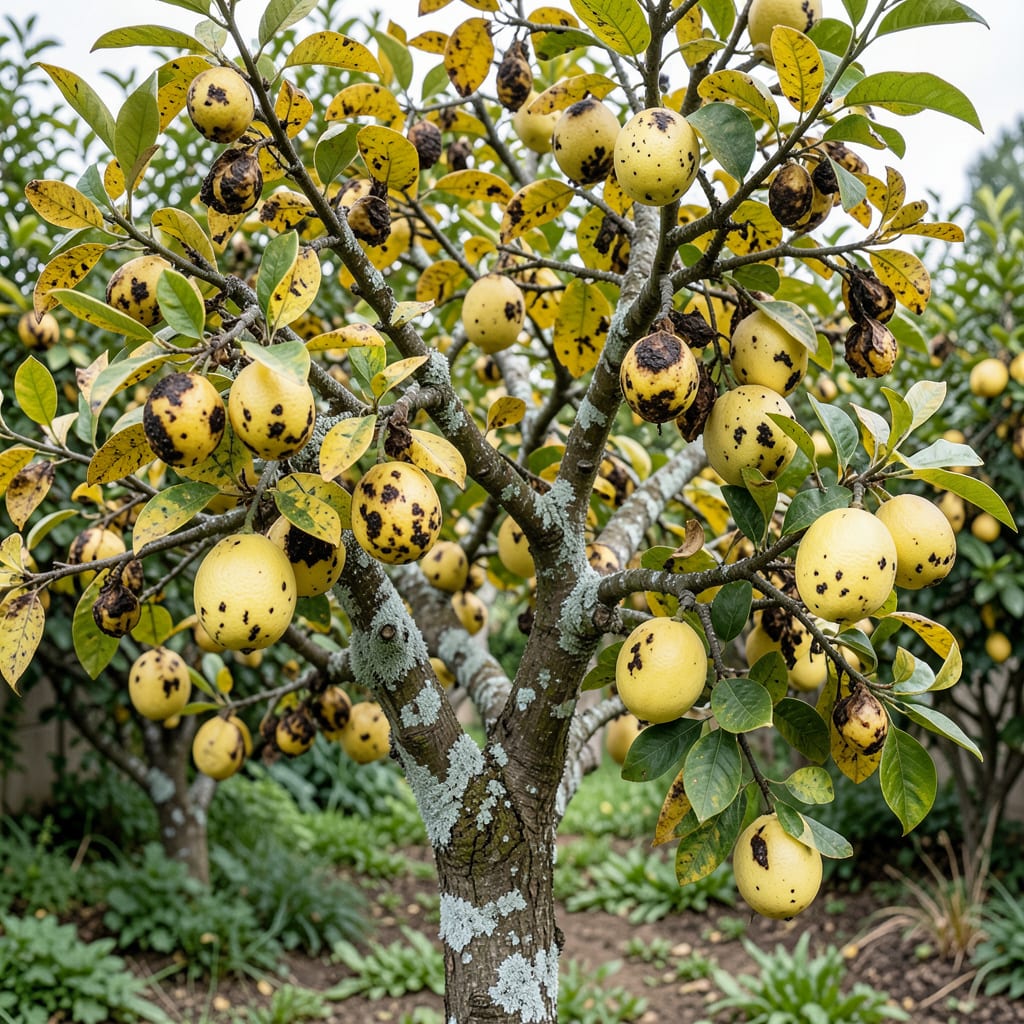
Spotted yellowing leaves on your lemon tree? I’ve been there—watching healthy foliage turn splotchy overnight. It’s often a fungal issue, and catching it early makes all the difference.
These infections spread fast in warm, humid conditions, but they’re treatable once you identify them. I learned to look for brown spots with yellow halos, powdery coatings, or blackened fruit—each tells a different story about what’s attacking your tree.
With the right approach, you can stop the spread and restore your tree’s health. I’ve saved several lemons from the brink using simple, targeted treatments that work within 7-10 days.
Prevention is easier than cure, and I’ll show you exactly how to protect your trees before problems start.
Fungal diseases in lemon trees thrive under specific environmental and cultural conditions. Understanding the root causes helps prevent outbreaks and protect your citrus. Below are the primary triggers, explained with actionable insights.
Fungi like Phytophthora and Alternaria prosper in waterlogged soil or prolonged leaf wetness. Overhead irrigation, heavy rainfall, or compacted soil that traps water create ideal breeding grounds. Solution: Improve drainage with raised beds or sandy loam, and water at the base to keep foliage dry.
Warm, humid climates (70–85°F with 80%+ humidity) accelerate fungal spore germination. Lemon trees in crowded orchards or greenhouses with poor airflow are especially vulnerable. Solution: Space trees 12–15 feet apart and prune for ventilation. Use fungicides preventatively in high-risk seasons.
Fungal spores overwinter in fallen leaves, fruit, or pruned branches. Anthracnose and Septoria spot spread when rain splashes spores onto new growth. Solution: Remove and burn (or bin) infected debris immediately. Sanitize pruning tools with 10% bleach solution between cuts.
Nutrient deficiencies (especially nitrogen or zinc), root damage, or drought stress weaken a tree’s natural defenses. Stressed trees produce fewer antifungal compounds, making them easy targets. Solution: Test soil annually, fertilize balanced formulas (e.g., 6-6-6), and mulch to retain moisture without waterlogging.
Dealing with fungus on your lemon tree can feel overwhelming, but with the right approach, you can restore its health. Below are targeted solutions for common fungal issues, paired with prevention tips to keep your tree thriving. 🌿
Powdery mildew appears as a white, dusty coating on leaves. To treat it, spray affected areas with neem oil or a baking soda solution (1 tablespoon baking soda + 1 teaspoon dish soap + 1 gallon water). Prune crowded branches to enhance airflow, as stagnant air encourages fungal growth. Prevention tip: 💡 Space trees properly and water at the base to keep foliage dry.
Root rot thrives in soggy soil. If you spot yellowing leaves or wilting, reduce watering immediately and check drainage. Amend heavy soil with compost or sand to improve water flow. For severe cases, trim blackened roots and repot in fresh, well-draining soil. Prevention tip: ✨ Use a moisture meter to water only when the top 2 inches of soil are dry.
Dark or yellow spots on leaves often signal fungal leaf spot. Remove infected leaves and dispose of them in the trash (not compost). Apply a copper-based fungicide to prevent spread. Prevention tip: 🎯 Avoid overhead watering, and sanitize pruning tools with rubbing alcohol between cuts.
Look for brown spots with yellow halos, white powdery coatings, or blackened fruit. These are classic signs of common fungal issues in citrus trees.
Spray with a mix of 1 tablespoon baking soda + 1 gallon water. Prune crowded branches to improve airflow and remove affected leaves immediately.
Yes, if caught early. Stop watering, improve drainage, and trim blackened roots. Repot in fresh, well-draining soil to give it the best chance.
