
Beautiful Plants For Your Interior
Beautiful Plants For Your Interior
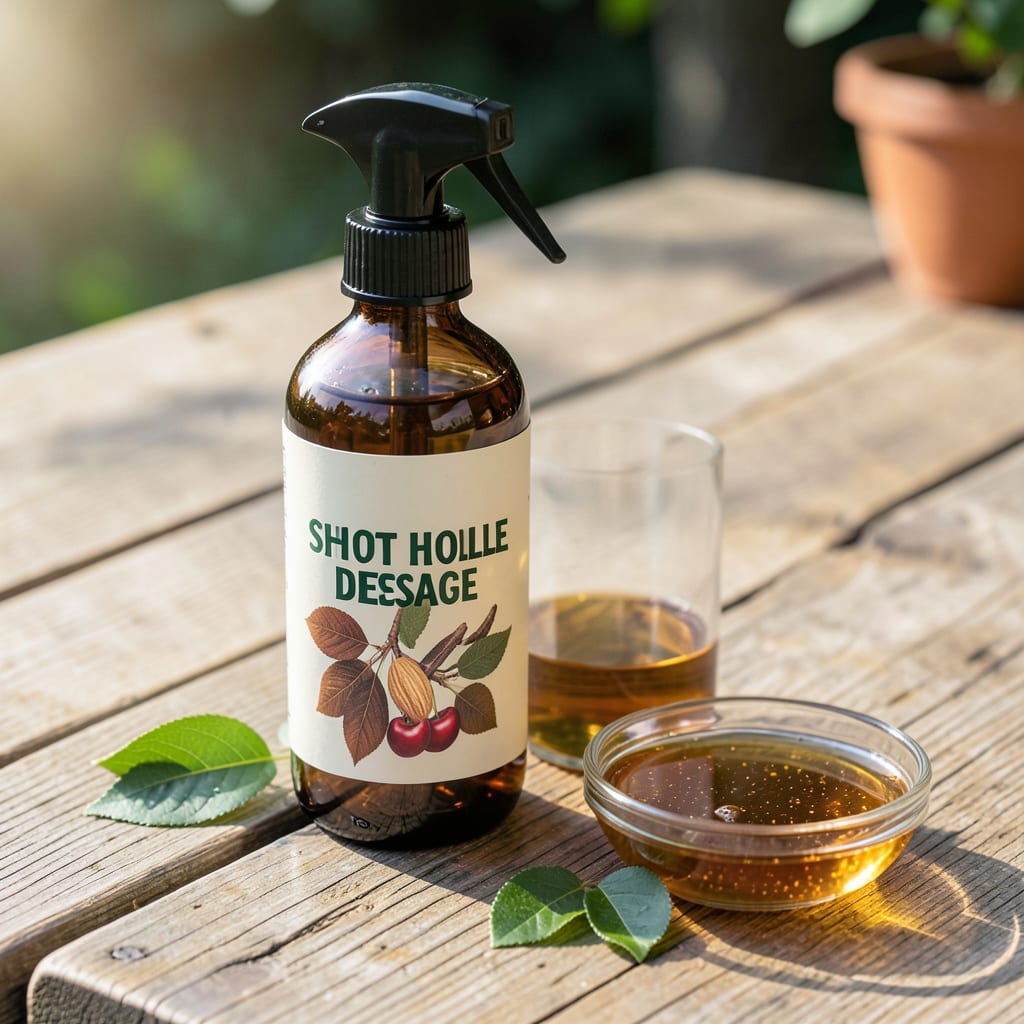
Shot hole disease turns healthy fruit tree leaves into Swiss cheese overnight. I first spotted it on my peach tree three springs ago—purple spots, then holes where the infected tissue fell out. Without treatment, it weakens trees and ruins fruit.
The good news? A simple fungicide spray can stop it in its tracks. Copper-based products work well, but I’ve had equal success with organic options like neem oil. Timing matters most: apply before buds swell in early spring.
Consistency beats intensity here. A few well-timed applications throughout the growing season keep the disease from spreading. I also remove fallen leaves in autumn to break the cycle.
Works for peaches, apricots, almonds—any stone fruit vulnerable to this fungus. Here’s the exact method that saved my trees.
Shot hole disease, caused by the fungus Wilsonomyces carpophilus (formerly Coryneum beijerinckii), thrives under specific environmental and cultural conditions. Understanding these triggers helps in preventing and managing outbreaks effectively.
Prolonged wetness is the primary catalyst for shot hole disease. The fungus spores require free water to germinate and infect plant tissues. Heavy rainfall, overhead irrigation, or prolonged dew periods (especially in spring) create ideal conditions for spore dispersal and infection. Trees in poorly drained soils or crowded plantings with limited airflow are especially vulnerable.
The fungus is most active in cool to moderate temperatures (50–70°F or 10–21°C). These conditions accelerate spore production and infection rates. Early spring, when new growth emerges, is a high-risk period as the tender tissues are more susceptible to penetration by the pathogen.
Shot hole disease primarily targets stone fruit trees, including almonds, peaches, nectarines, plums, and cherries. Certain cultivars may be more resistant, but most commercial varieties are highly vulnerable, especially if stressed by poor nutrition, drought, or root damage. Young trees and unpruned canopies with dense foliage are particularly prone to severe infections.
The fungus survives winter in infected bud scales, twigs, or leaf litter beneath the tree. In spring, spores are released and spread by splashing water, tools, or even workers moving through the orchard. Failing to remove fallen leaves or debris in autumn allows the pathogen to persist and reinfect the tree the following season.
Shot hole disease can be managed effectively with the right approach. Below are targeted solutions based on the cause, along with prevention tips to keep your fruit trees healthy.
Fix: Apply a copper-based fungicide or neem oil spray at the first sign of infection. Spray thoroughly, covering both sides of the leaves and branches. Repeat every 7–10 days during wet seasons when fungus spreads rapidly.
Prevention: Prune infected branches and remove fallen leaves to reduce fungal spores. Improve air circulation by thinning dense foliage.
Fix: Reduce watering frequency and ensure proper drainage around the tree’s base. Avoid overhead irrigation to prevent leaf wetness, which encourages fungal growth.
Prevention: Water early in the day so leaves dry quickly. Use drip irrigation to deliver water directly to the roots.
Fix: Strengthen your tree with a balanced fertilizer to boost its natural defenses. Remove and destroy severely infected leaves or branches to stop the spread.
Prevention: Maintain tree vigor with regular feeding and proper pruning. Keep the area around the tree clean and free of debris.
💡 Pro Tip: Apply fungicides before the rainy season starts as a preventive measure. Organic options like sulfur sprays or baking soda solutions (1 tbsp baking soda + 1 tsp dish soap + 1 gallon water) can also help control mild infections.
Apply every 7-10 days during wet seasons or at first sign of infection. For prevention, spray before bud swell in early spring and again after petal fall. Consistency is key to breaking the disease cycle.
Yes! Neem oil, copper soap, or a baking soda solution work well. Mix 1 tbsp baking soda + 1 tsp dish soap + 1 gallon water for a DIY spray. Always test on a small area first.
Spray in the early morning or late afternoon to avoid leaf burn. This allows the fungicide to dry before midday heat and reduces risk of washing off during dew. Avoid spraying in direct sunlight.
Copper-based fungicides are low-risk, but avoid spraying during bloom to protect pollinators. Organic options like neem oil are gentler but may affect some beneficial insects. Always follow label instructions.
