
Beautiful Plants For Your Interior
Beautiful Plants For Your Interior
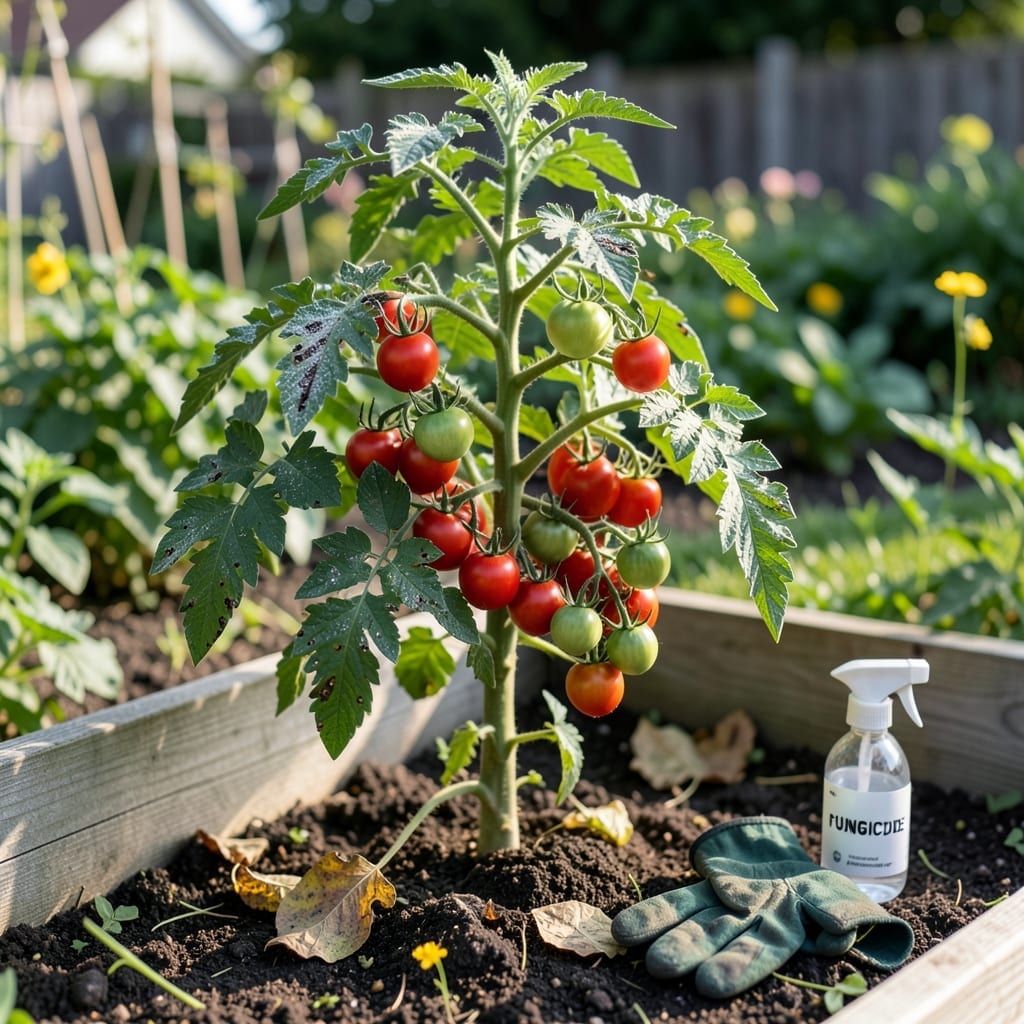
Your garden might look fine today, but fungal diseases can spread fast and silently ruin your 🌱 General Plants. I’ve seen healthy gardens turn into problem zones almost overnight because of unseen spores.
The good news? You don’t need harsh chemicals to fight back. There are effective natural solutions that protect your plants while keeping your garden ecosystem safe.
I’ll show you how to spot the early warning signs of common fungal issues before they take hold. Recognizing these can save you weeks of frustration.
Discover the simple, proven methods to treat and prevent fungal infections. Your General Plants will thank you with vibrant growth all season long.
When fungal diseases strike, I always reach for natural fungicides first. These organic solutions protect plants without harmful chemicals. They’re safe for vegetables, flowers, and even edible gardens. 🌱
I’ve tested many options, but neem oil, baking soda, and copper sprays consistently outperform others. Each targets specific fungi like powdery mildew or leaf spot. The key is matching the treatment to the disease.
| Fungicide | Best For | Effectiveness | Application |
|---|---|---|---|
| Neem Oil | Powdery Mildew, Rust | High | Spray every 7-14 days |
| Baking Soda | Leaf Spot, Blight | Medium | 1 tbsp/gal water, spray weekly |
| Copper Spray | Bacterial & Fungal | High | Apply at first sign |
| Sulfur | Powdery Mildew | High | Avoid in heat over 90°F |
For powdery mildew, I swear by neem oil. It disrupts the fungus’s life cycle and prevents spores from germinating. Mix 2 tbsp neem oil with 1 gallon water and a dash of soap for best results.
Baking soda is my go-to for leaf spot and early blight. The alkaline environment stops fungal growth. Just combine 1 tbsp baking soda, 1 quart water, and a few drops of soap. Spray under leaves too.
Copper fungicides are powerful against bacterial leaf spot and anthracnose. I use them sparingly, as copper can build up in soil. Always follow label rates and wear protective gloves when applying.
Sulfur works wonders for powdery mildew on roses and zucchinis. But I avoid it in hot weather—it can burn plants. Apply in cool evenings for best results. 🌿
For prevention, I rotate these fungicides. Start with neem oil in early spring, switch to baking soda mid-season, and use copper only when needed. This keeps fungi from developing resistance.
Remember, consistency is key. Fungal diseases spread fast, so I monitor plants daily and treat at the first sign of trouble. A little effort now saves weeks of heartache later. ✂️
Always test sprays on a small area first. Some plants, like impatiens, are sensitive to copper. If leaves yellow or wilt, I switch to a gentler option like neem oil or baking soda.
Applying fungicide for plants correctly can mean the difference between a thriving garden and a fungal disaster. I always start by checking the weather forecast to avoid rain within 24 hours of application.
Timing is everything. I apply fungicides in the early morning when temperatures are cool and foliage is dry. This helps the solution stick better and reduces evaporation.
For preventative treatment, I use a lighter concentration and focus on vulnerable plants. Curative applications require stronger doses and more frequent treatments.
Always wear protective gear when handling fungicides, even natural ones. I use gloves and a mask to avoid skin or respiratory irritation.
Water your plants before applying fungicide to reduce leaf burn risk. I’ve found this helps the solution spread more evenly across the foliage.
Finally, clean your sprayer thoroughly after each use. I rinse mine with warm soapy water to prevent clogs and residue buildup that could harm plants later. ✂️