
Beautiful Plants For Your Interior
Beautiful Plants For Your Interior
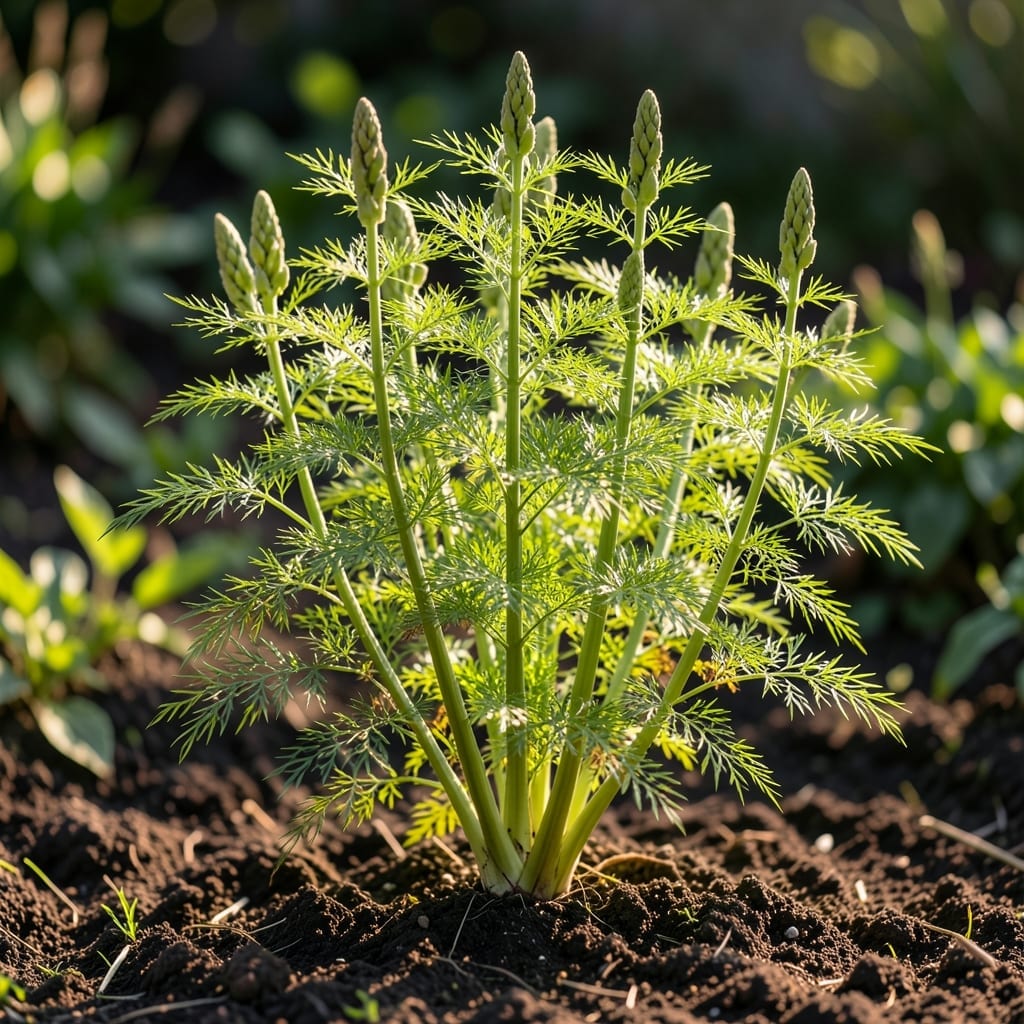
A fully grown asparagus plant can transform your garden into a decade-long harvest haven. Imagine picking fresh, flavorful spears every spring with minimal effort.
I’ve learned that these hardy plants, reaching 4-5 feet tall, thrive with consistent care. Whether you’re planting crowns or nurturing existing ones, the key is understanding their needs.
Discover how to maintain healthy asparagus for bountiful yields. With the right approach, your 🌱 asparagus patch will reward you year after year.

A fully grown asparagus plant is a sight to behold in any garden. These perennial powerhouses can reach 4-5 feet tall, with feathery, fern-like foliage that sways gracefully in the breeze.
I love how their deep root systems anchor them firmly, allowing them to thrive for 10-15 years with proper care. The spears, which emerge in spring, are the real prize—tender and ready for harvest when they reach 6-8 inches tall.
| Characteristic | Specification |
|---|---|
| Height | 4-5 feet |
| Foliage | Fern-like fronds |
| Root Depth | 6-8 inches |
| Harvest Readiness | 6-8 inch spears |
| Lifespan | 10-15 years |
The mature asparagus plant develops a thick, woody crown over time. This crown stores energy, allowing the plant to produce spears reliably each spring without replanting.
I always check for tightly closed tips on spears before harvesting. Open tips mean the spear is past its prime and starting to turn ferny, which reduces tenderness.
Another key feature is the color variation. Green asparagus is most common, but purple varieties like ‘Purple Passion’ add a striking visual element to your garden while offering a sweeter flavor.
Asparagus plants also develop extensive root systems that spread outward. I recommend spacing crowns 12-18 inches apart to give them room to grow without competing for nutrients.
The fern-like foliage turns golden-yellow in fall, adding seasonal interest. I leave these fronds standing through winter to catch snow and provide natural mulch.
For the best results, plant in full sun with well-draining soil. Asparagus tolerates partial shade but produces fewer spears. A pH of 6.5-7.5 is ideal for these plants.
I’ve found that consistent moisture is crucial, especially during the first two years. Once established, asparagus becomes quite drought-tolerant, but regular watering ensures a bountiful harvest.
With their perennial nature, asparagus plants are a gift that keeps giving. Each year, the crowns grow larger, producing more spears and making your garden a low-maintenance food source 🌱
Keeping your fully grown asparagus plant thriving requires year-round attention. I’ve found that each season brings unique tasks to ensure consistent harvests and plant health.
Spring is the most active time, as spears emerge and harvest season begins. This is when your plants need the most care to produce abundantly.
In spring, I start harvesting when spears reach 6-8 inches tall with tightly closed tips. I always stop harvesting by early summer to let fronds develop and store energy for next year.
Summer care focuses on maintaining moisture. I water my asparagus deeply once a week, ensuring the soil stays consistently moist but never soggy. This prevents root rot while encouraging strong growth.
As fall approaches, I cut back the yellowed fronds only after they’ve turned completely brown. This allows the plant to maximize energy storage in the crown for the next growing season.
During winter, I avoid walking on the beds to prevent soil compaction. I also take time to plan improvements for the next year, like adding more compost or adjusting my watering schedule.
Remember that asparagus plants are perennial investments. With proper seasonal care, your patch will reward you with bountiful harvests for over a decade 🌱