
Beautiful Plants For Your Interior
Beautiful Plants For Your Interior
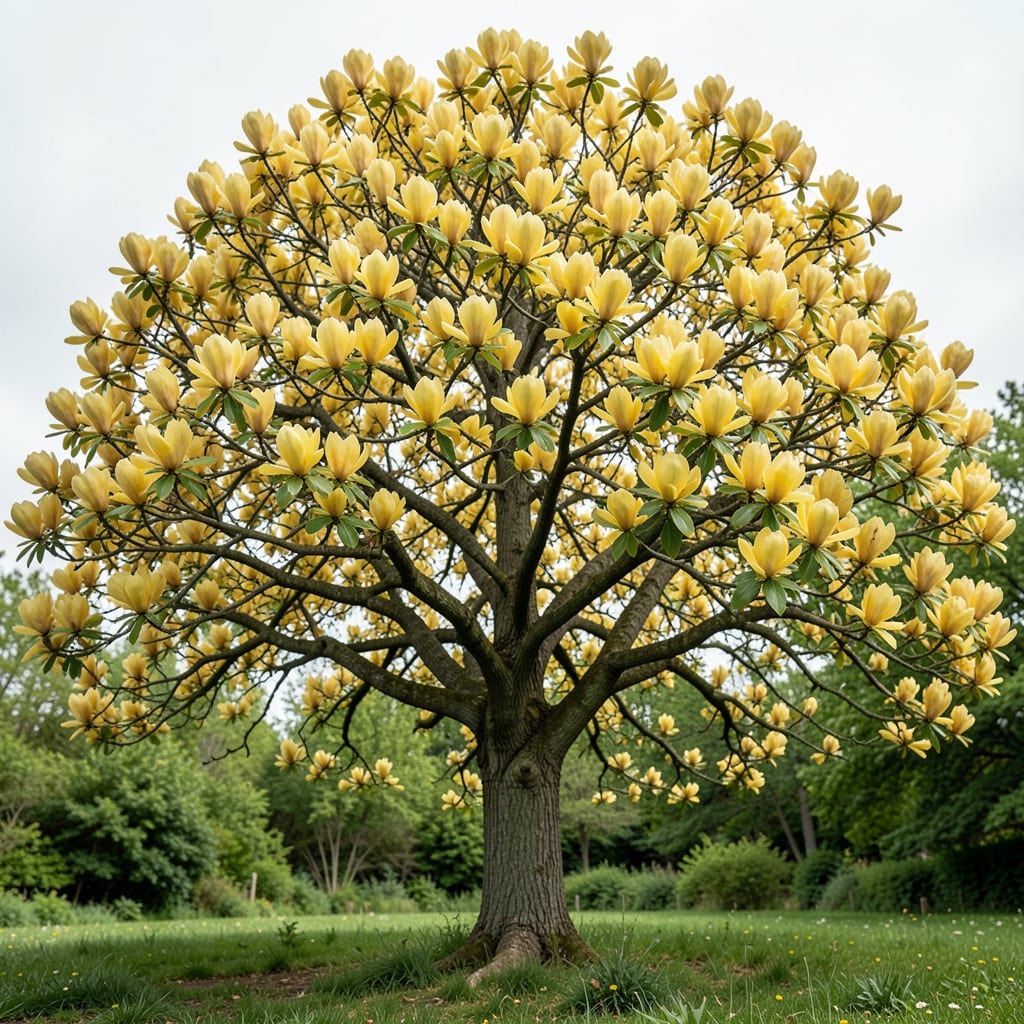
That first spring when my yellow magnolia burst into lemon-hued blooms, I understood why gardeners obsess over these trees. The transformation from bare branches to a canopy of sunshine happens almost overnight in early season.
Getting to that full-grown glory takes patience and the right foundation. Well-draining soil, 6-8 hours of sun, and consistent moisture the first year set the stage. Skip the heavy pruning—these trees naturally develop an elegant shape.
By year three, you’ll have a specimen that stops neighbors in their tracks. The blooms arrive before leaves, creating a breathtaking display against the bare branches. Summer brings glossy foliage, while fall offers subtle golden tones.
Perfect for focal points, property lines, or that special spot visible from your window. Here’s how to grow one that thrives for decades.
The vibrant blooms of a full grown yellow magnolia tree can lose their luster when leaves turn yellow, often signaling underlying issues. Here’s why it happens, broken down by cause:
Magnolias thrive on balanced nutrition. A lack of nitrogen (essential for chlorophyll) or iron (critical for photosynthesis) often triggers leaf yellowing. Nitrogen deficiency typically affects older leaves first, while iron deficiency appears as interveinal chlorosis—yellowing between leaf veins. Test soil pH (magnolias prefer 5.5–6.5); alkaline soils lock out iron. Fix it with chelated iron supplements or organic compost.
Root suffocation from waterlogged soil disrupts nutrient uptake. Magnolias need moist but well-drained conditions. Yellowing leaves paired with wilting or blackened roots scream root rot. Check drainage by digging a 1-foot hole—if water pools for hours, amend soil with sand or organic matter. Water only when the top 2–3 inches of soil are dry.
Extreme temperatures, drought, or sudden sunlight changes stress the tree. Scorching summer heat can bleach leaves, while frost damage causes yellowing in spring. Shield young trees with mulch (2–4 inches deep) to regulate soil temperature and retain moisture. For sunburn, use shade cloth during peak afternoon hours.
Magnolia scale or aphids sap nutrients, leading to yellow spots or stunted growth. Fungal infections like verticillium wilt block water flow, causing rapid yellowing. Inspect leaves for sticky residue (scale) or black mold (sooty mold). Treat pests with horticultural oil; prune infected branches for diseases.
Keeping your magnolia tree healthy ensures its vibrant yellow blooms shine every spring. Here’s how to tackle the most common problems and prevent them from returning.
If your tree’s leaves are turning yellow, it’s often a sign of nutrient deficiency or poor drainage. Test your soil’s pH—magnolias thrive in slightly acidic to neutral soil (pH 5.5–7.0). Amend the soil with compost or a balanced fertilizer to restore nutrients. For drainage issues, mix in organic matter like peat moss or create small mounds around the base to prevent waterlogging.
Prevention tip: 💡 Mulch annually with organic material to maintain soil health and moisture balance.
Scale insects, aphids, and magnolia borers can weaken your tree. For mild infestations, spray leaves with a neem oil solution or insecticidal soap. For severe cases, use a systemic insecticide labeled for magnolias, following package instructions carefully. Prune and dispose of heavily infested branches to stop the spread.
Prevention tip: 🎯 Inspect leaves and bark regularly, especially in early spring, to catch pests before they multiply.
Overwatering or underwatering can cause leaves to drop before fall. Check the soil moisture 2–3 inches deep—it should feel slightly damp but not soggy. Water deeply once a week during dry spells, and reduce frequency during rainy seasons. If drought is an issue, consider installing a drip irrigation system for consistent moisture.
Prevention tip: ✨ Apply a 2–3 inch layer of mulch to retain moisture and regulate soil temperature.
Young or newly planted magnolias are vulnerable to frost cracks and dieback. In late fall, wrap the trunk with burlap or tree guard to shield it from temperature swings. For potted magnolias, move them to a sheltered location or insulate the container with bubble wrap. Avoid pruning in late summer, as new growth may not harden off in time for winter.
Prevention tip: 🌡️ Plant in a location sheltered from harsh winds to minimize stress during cold months.
A mature yellow magnolia typically reaches 30-40 feet tall with a 20-30 foot spread. Dwarf varieties stay smaller at 10-15 feet, perfect for compact spaces.
Expect stunning yellow blooms in early to mid-spring, often before leaves emerge. The flowers last 2-3 weeks, with some varieties producing sporadic blooms in summer.
Choose a spot with full sun to partial shade and well-draining soil. Avoid low areas where water pools. Allow plenty of space for its mature size.
Water deeply once weekly during the first year, then reduce to every 2-3 weeks once established. Always check soil moisture 2-3 inches down before watering.
