
Beautiful Plants For Your Interior
Beautiful Plants For Your Interior
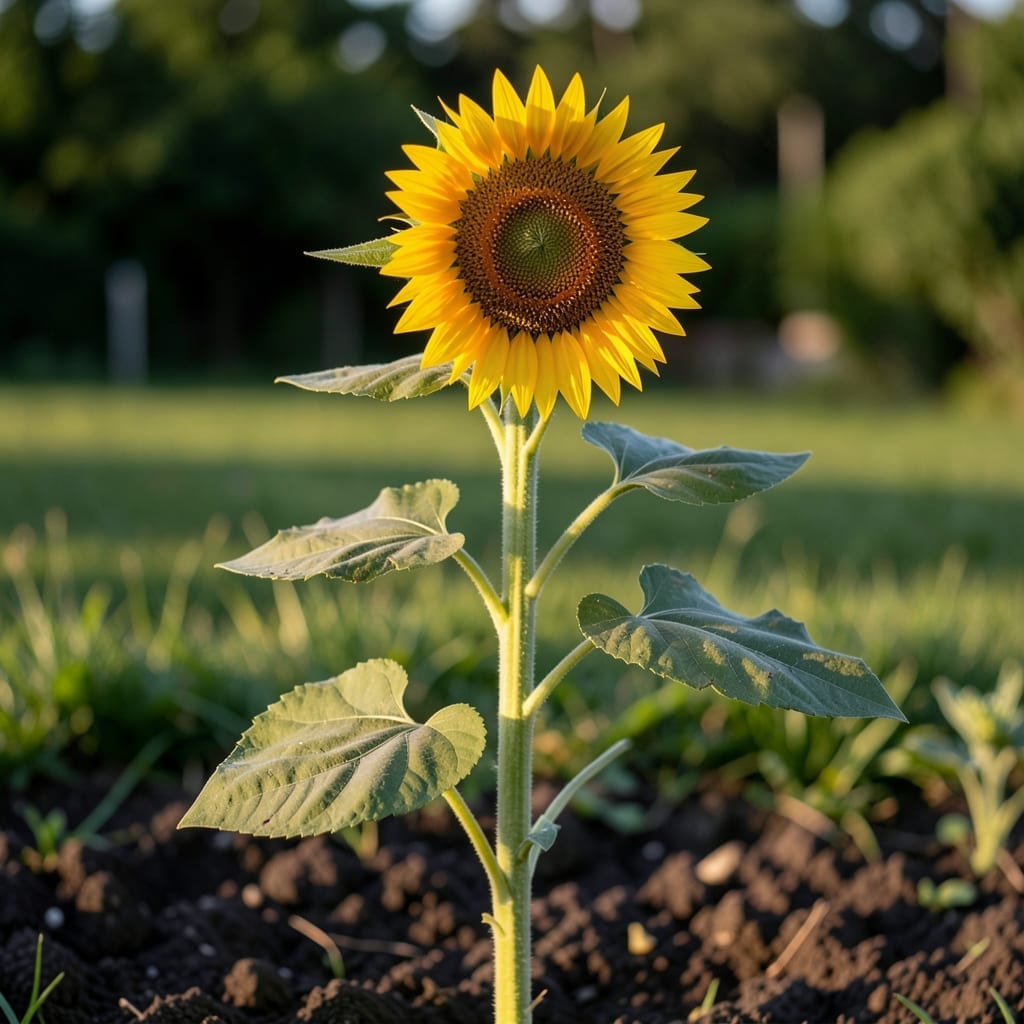
A full grown Sunflower 🌻 is a stunning centerpiece in any garden, but its towering height and sunlight needs often surprise new growers. I remember planting my first seeds and being amazed at how quickly they shot up.
These golden giants can reach 8-12 feet tall under the right conditions, transforming your space into a vibrant summer display. Their light requirements are just as impressive as their height.
Understanding these key factors ensures your Sunflower thrives and reaches its majestic potential. The difference between a struggling plant and a flourishing one often comes down to just a few simple adjustments.
Discover how to give your sunflowers exactly what they need to grow tall and strong. With the right approach, you’ll be rewarded with those iconic, cheerful blooms all season long.
When I first planted sunflowers, I was amazed by how quickly they shot up. A full grown sunflower can vary dramatically in height depending on its type. Dwarf varieties stay compact, while giants can tower over your garden fence.
Understanding these differences helps you choose the right sunflower for your space. Whether you have a small balcony or a sprawling garden, there’s a perfect variety for you.
| Variety | Height Range | Best For |
|---|---|---|
| Dwarf | 2-4 ft | Containers, small gardens |
| Semi-Dwarf | 4-6 ft | Borders, mid-sized plots |
| Standard | 8-12 ft | Garden backdrops, pollinator support |
| Giant | 12-16 ft | Open fields, competitions |
I’ve found that dwarf sunflowers like ‘Teddy Bear’ are perfect for pots on my patio. They stay under 3 feet and still produce cheerful blooms all summer long.
For garden beds, standard varieties like ‘Mammoth’ or ‘Russian Giant’ reach 8-12 feet. These need sturdy staking, as I learned the hard way after a windstorm toppled mine!
If you’re aiming for record-breaking height, giant sunflowers can exceed 16 feet in ideal conditions. These monsters need rich soil, consistent water, and full sun to reach their potential.
Genetics play the biggest role in final height, but growing conditions matter too. Poor soil or insufficient water can stunt growth, while optimal care helps sunflowers reach the top of their range.
I always test my soil before planting. Sunflowers thrive in well-draining soil with a pH between 6.0-7.5. Adding compost gives them the nutrient boost they need for strong stems.
Watering deeply but infrequently encourages deep root growth. I aim for 1-2 inches of water per week, adjusting for rain. Overwatering can be just as harmful as drought.
For the tallest sunflowers, I space seeds 12-18 inches apart. Crowding leads to competition for resources, which limits height. Proper spacing is key to maximizing growth.
Watch for signs of stress like yellowing leaves or weak stems. These often indicate that your sunflowers aren’t getting what they need to reach their full, majestic height.
🌻To grow full grown sunflowers that reach their maximum height, you need to prioritize their light exposure. These sun-loving plants thrive with 6-8 hours of direct sunlight daily, making them perfect for open garden spaces.
I’ve found that south-facing locations work best, as they receive the most consistent light. Without enough sun, sunflowers may grow tall but weak, with smaller blooms and thinner stems. This can lead to disappointing results after all your hard work.
Watch for signs of inadequate light, such as leaning stems or pale leaves. If your sunflowers aren’t getting enough sun, consider relocating them or trimming nearby plants that cast shadows.
In my experience, even a few extra hours of sunlight can make a noticeable difference in stem thickness and flower size. Sunflowers are remarkably adaptable, but they truly shine when given full sun exposure.
For container-grown sunflowers, place pots where they’ll receive uninterrupted sunlight for most of the day. A sunny patio or balcony often works well for dwarf varieties.
Remember, consistent light is key. If your garden has partial shade, choose a variety known for tolerance to lower light conditions, though they may not grow as tall as those in full sun 🌻