
Beautiful Plants For Your Interior
Beautiful Plants For Your Interior
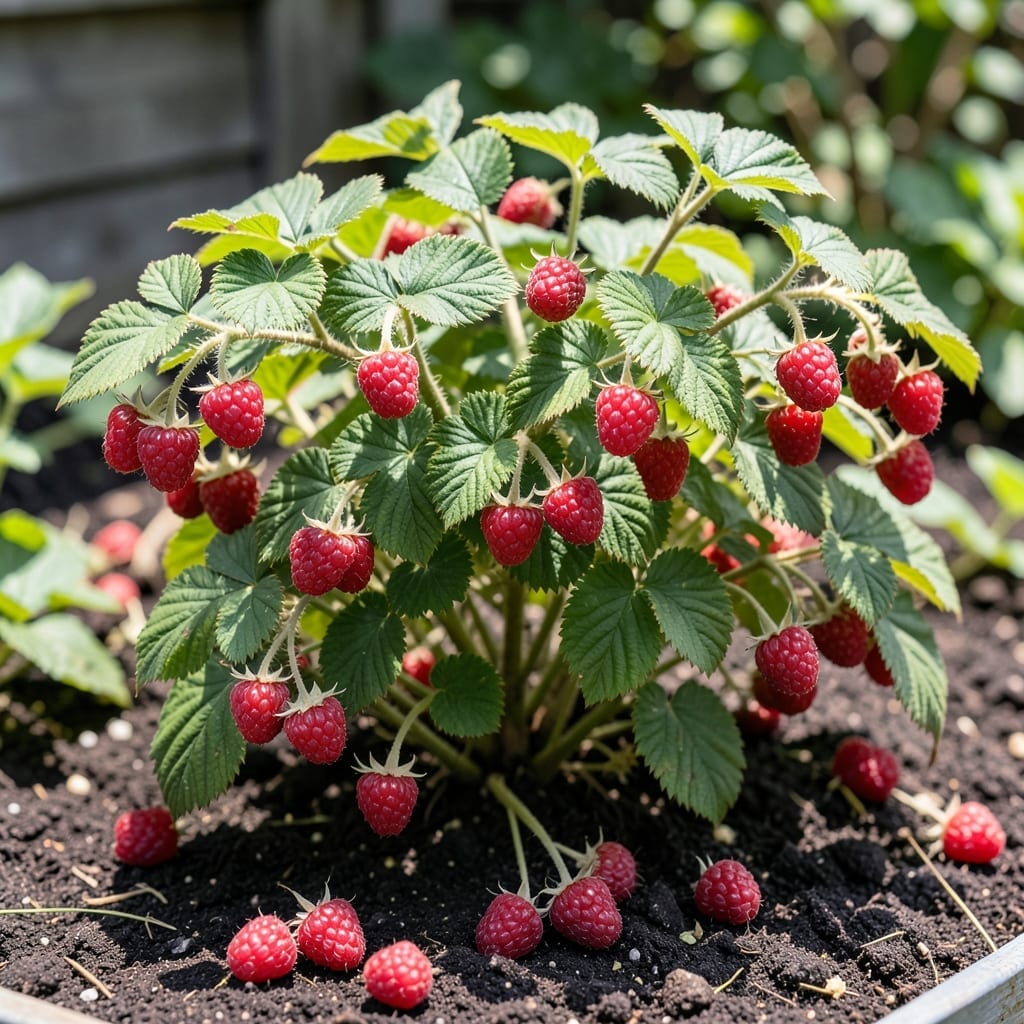
I still remember the first time I saw a full-grown 🍇 Raspberry Bush loaded with berries. It was stunning—and a little intimidating. How do you keep something that productive healthy and thriving?
Pruning is the answer, but it’s not just about cutting back. It’s about guiding your plant to produce bigger, sweeter harvests year after year.
Whether you’re new to growing or have a few seasons under your belt, understanding the basics of pruning a mature Raspberry Bush can make all the difference.
Let me walk you through everything you need to know to keep your plant in top shape and your fruit basket overflowing.
Pruning a full grown raspberry bush is essential for bigger harvests and healthier plants. I always start by understanding the type of raspberry I’m dealing with, as summer-bearing and ever-bearing varieties need different approaches.
For summer-bearing raspberries, I prune right after harvest. This gives the plant time to grow new canes for next year’s fruit. Ever-bearing types can be pruned in late winter or early spring for a fall harvest.
I always use sharp bypass pruners for clean cuts. Dull tools can crush stems, making the plant more susceptible to disease.
Timing is everything. For summer-bearing raspberries, prune immediately after harvest. For ever-bearing varieties, I prune in late winter to encourage strong growth for the upcoming season.
Don’t forget to thin the canes to about 6-8 healthy canes per foot of row. This prevents overcrowding and ensures each cane gets enough sunlight and air circulation.
After pruning, I like to mulch around the base with organic material like straw or wood chips. This helps retain moisture and suppresses weeds that could compete with your raspberries.
A well-pruned raspberry bush will reward you with larger berries and a more abundant harvest. I’ve seen my own bushes go from sparsely producing to overflowing with fruit after a proper pruning session.
If you’re unsure about which canes to remove, look for the thickest and healthiest ones—these are your keepers. The thinner, weaker canes are the ones to cut back or remove entirely.
Finally, always clean up debris around your bushes after pruning. This reduces the risk of pests and diseases taking hold in the leftover plant material. ✂️
I’ve seen even experienced gardeners accidentally damage their full grown raspberry bush with poor pruning habits. These mistakes can reduce your berry yield and leave plants vulnerable to disease and pests. ✂️
One of the worst offenses is pruning at the wrong time. Cutting back canes in late summer can remove next year’s fruit buds before they’ve had a chance to develop.
⚠️ Avoid These Pruning Pitfalls
Another common issue is ignoring diseased canes. If you spot black spots or cankers, remove those canes immediately to prevent the problem from spreading to healthy growth.
Using dull or dirty tools is another mistake that harms your raspberry bush. Dull blades create ragged cuts, which take longer to heal and invite pests and diseases.
Many gardeners also forget to thin canes, leading to an overcrowded bush. A full grown raspberry bush needs good airflow to prevent fungal issues and ensure even ripening.
Finally, pruning too severely can shock the plant. I recommend removing no more than one-third of the canes at a time to keep your bush productive and healthy long-term. 🌿